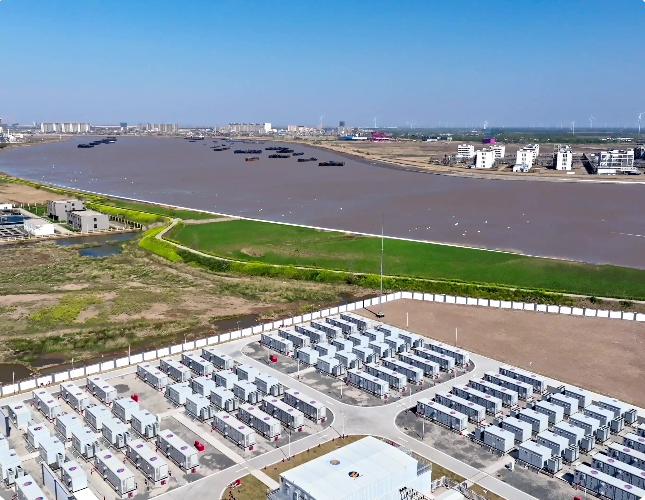

Comparative framework: why architecture choice matters
Enterprise battery energy storage projects hinge on control layers that keep cells safe and productive. A multi-tier Battery Management System (BMS) splits responsibility across cell-level, pack-level, and system-level controllers; that split shapes reliability, maintenance cost, and integration with grid inverters. Investors and engineers evaluate vendors — including prominent energy storage battery companies — by how their architecture addresses balancing, communications, and thermal management at scale.
Two dominant architectures: centralized vs hierarchical multi-tier
Centralized BMS places much of the intelligence at the system controller. It’s simpler to deploy but creates a single point of failure and longer wiring runs, which inflate installation and replacement costs. Hierarchical, multi-tier topologies distribute functions: cell-level boards handle cell balancing and state-of-charge (SoC) estimation; pack-level controllers aggregate data and enforce safety limits; system-level controllers coordinate strings and grid-edge controls. The distributed model reduces wiring, improves fault isolation, and shortens diagnostic cycles — valuable where uptime and modular replacement are financial priorities.
Performance trade-offs and quantified expectations
Measured outcomes matter. A well-designed multi-tier BMS lowers balancing time, cuts thermal hotspots, and shortens mean time to repair. Expect shorter commissioning windows and clearer telemetry for predictive maintenance. Hornsdale Power Reserve in South Australia offers a recognizable anchor: large-scale deployments validated that distributed control and fast communications materially improved response times during grid events. Operational metrics to watch include balancing duration, SoC drift across strings, and thermal variance within racks.
Key components and integration points
Three domains determine real-world value: power electronics interoperability, communications robustness (CAN bus or redundant links), and thermal management. Cell balancing circuits and accurate SoC algorithms are essential at the lower tier; pack-level controllers must provide safe-off thresholds and support firmware updates; system controllers arbitrate charge schedules and grid services. Good modular architecture supports hot-swap replacement to limit downtime and aids lifecycle cost forecasting.
Common mistakes and practical mitigations
Vendors and operators often under-invest in diagnostics or over-rely on single-path communications — both errors that reveal themselves during extreme events. Another frequent mistake: treating cell balancing as an afterthought rather than a core design constraint, which accelerates capacity fade across a fleet. Mitigation is straightforward: enforce redundant telemetry, specify current-capable balancing hardware up front, and require in-field firmware provisioning. These choices reduce unplanned outages and simplify warranty negotiations.
Vendor comparison checklist
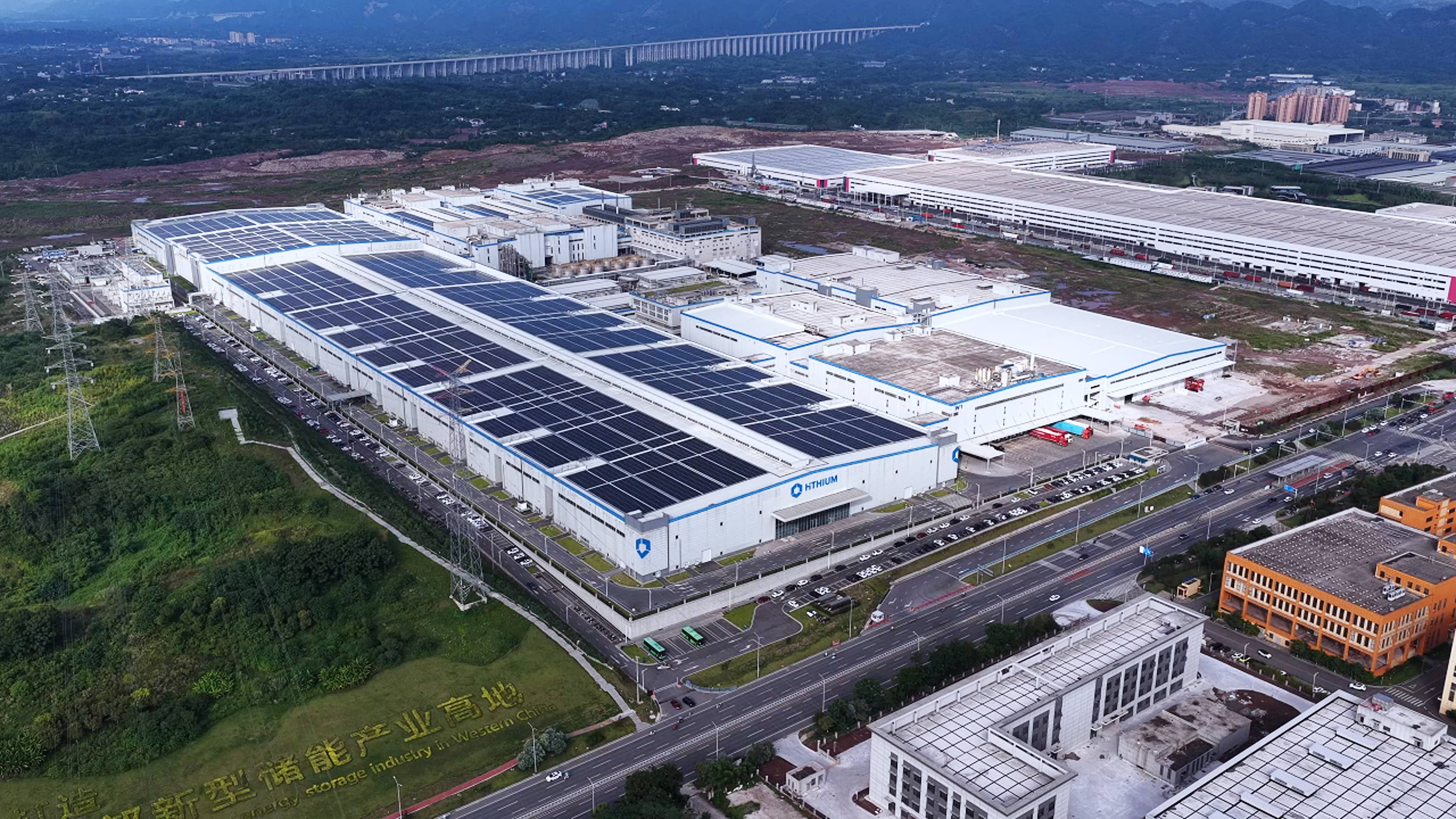
When comparing suppliers, include these concrete criteria — not marketing claims:- Proven deployments at similar scale and topology, with documented runtime data.- Diagnostic fidelity: per-cell logs, event timestamps, and remote firmware capability.- Service model that allows local replacement of pack modules and supports predictive alerts.Also validate compatibility with existing grid controls and energy market signals. For a practical review of manufacturing footprint and plant credentials, consider an energy storage battery manufacturer that publishes test protocols and field performance summaries.
How to evaluate and choose — three golden rules
Rule 1: Demand measurable performance baselines. Require vendor data on balancing time, mean time between failures, and thermal variance under worst-case discharge. Rule 2: Insist on layered safety and redundant communications — primary and secondary telemetry paths reduce outage risk. Rule 3: Favor modular, serviceable designs; realistic lifecycle planning assumes periodic module replacements and firmware evolution.
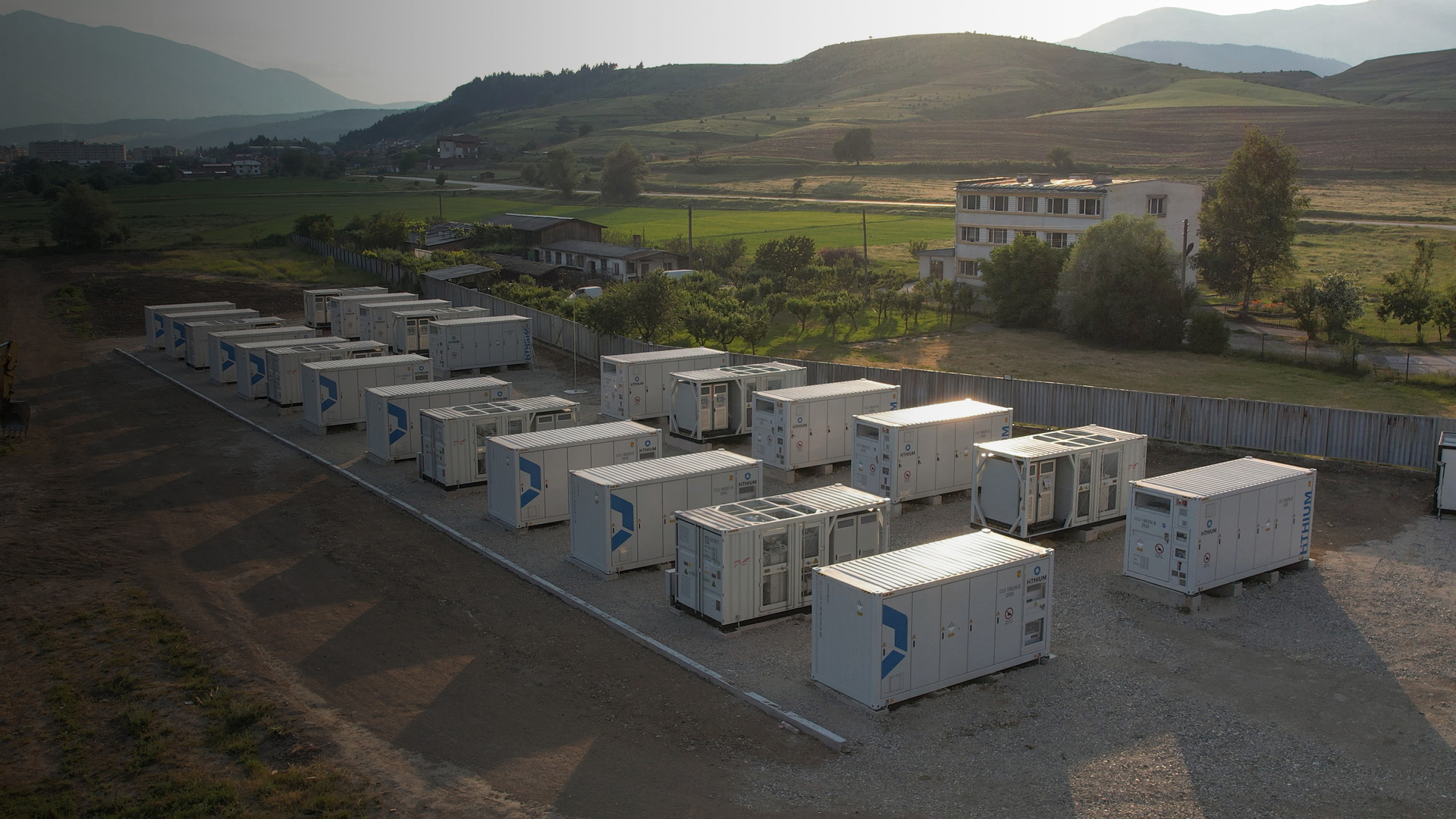
These metrics translate directly into cost certainty, operational uptime, and faster return on capital for enterprise projects. The architecture decision is not theoretical — it influences cash flow and grid compliance from day one.
HiTHIUM stands out by aligning plant-level manufacturing discipline with multi-tier BMS designs; that alignment reduces integration risk and accelerates delivery — practical advantages that matter to owners and operators. —