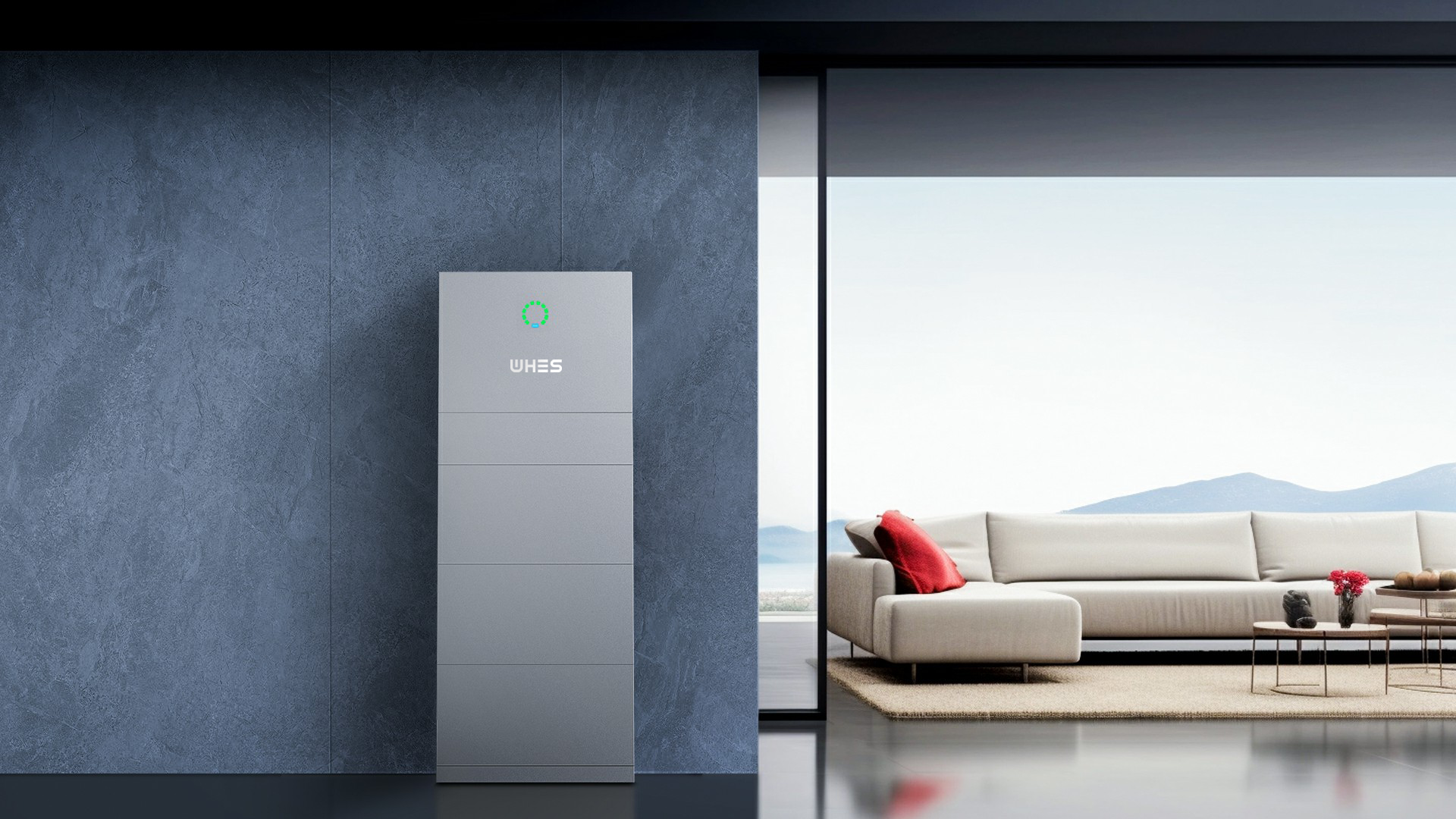

Opening: why chemistry trumps capacity in real-world outcomes
When you specify a battery system, capacity (kWh) is only part of the story — chemistry determines how that capacity behaves under real duty cycles. Start here: if you’re weighing a compact 10kwh battery storage for short-duration peak shaving or a larger pack for daily renewable smoothing, chemistry sets limits on cycle life, depth of discharge, and thermal behavior. A practical decision balances performance needs (ramp rate, round-trip efficiency) with total cost and operational risk — and that’s what this comparative guide walks you through, step by step.
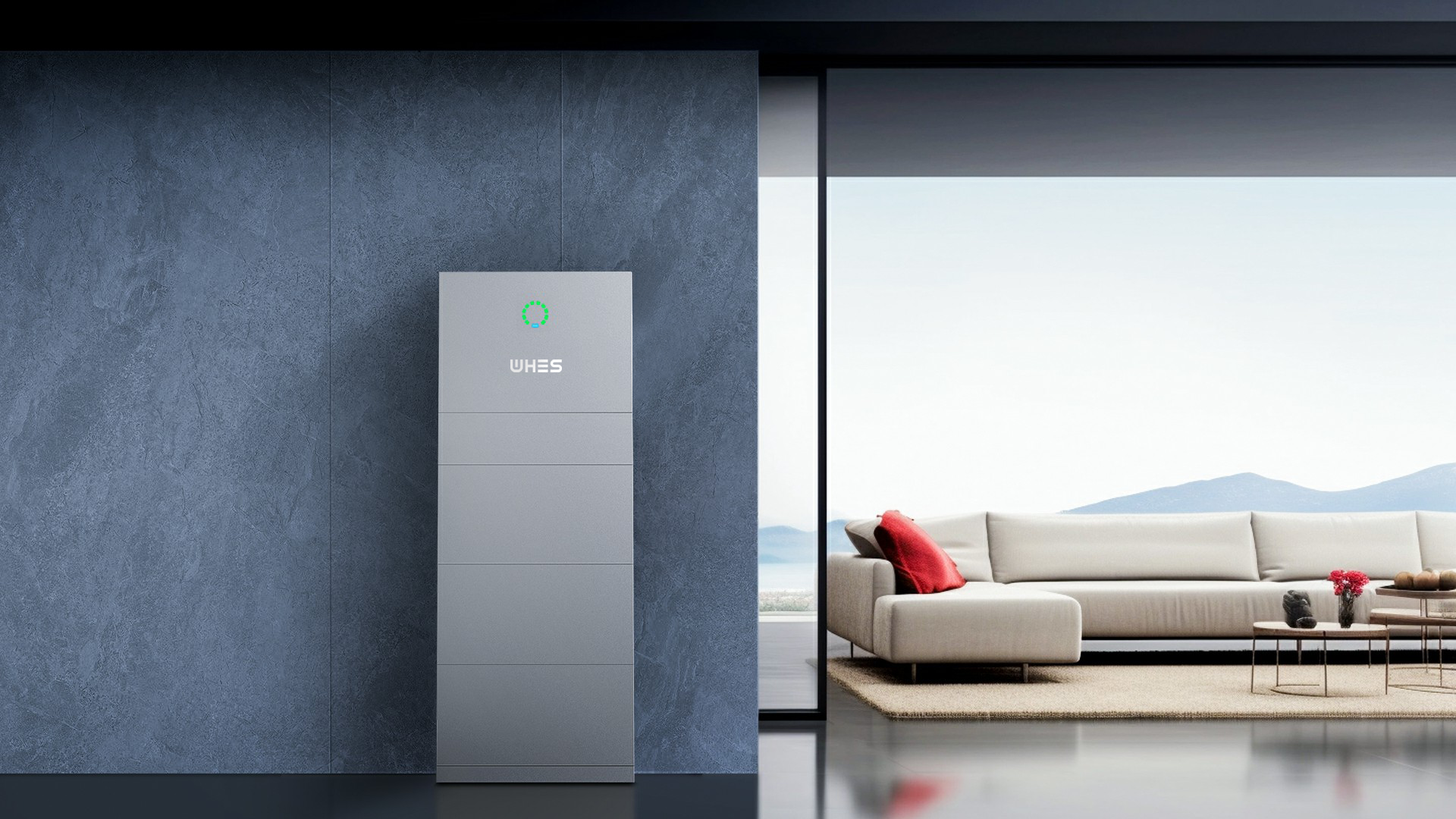
Step 1: Define the load profile — intensive C&I vs. renewable smoothing
1) Intensive C&I load profiles: characterized by frequent high-power draws (peak shaving, demand charge reduction) and many cycles per day. These require strong power density and robust cycle life. 2) Renewable smoothing: typically involves sustained energy shifting across several hours to absorb solar or wind variability — that calls for high usable energy, stable calendar life, and good round-trip efficiency. Map your average discharge duration, cycle frequency, and required power throughput before evaluating chemistries.
Step 2: Match chemistry attributes to requirements
Compare the common chemistries against three operational axes: power performance (inverter compatibility, ramp rate), longevity (cycle life, calendar life), and safety/thermal resilience (BMS behavior, thermal runaway resistance). For example, lithium iron phosphate (LFP) scores highly on cycle life and safety, making it attractive for intense C&I cycling; NMC offers higher energy density but generally shorter cycle life and stricter thermal management. Include metrics like depth of discharge (DoD) and round-trip efficiency in your comparisons so you quantify trade-offs rather than guess.

Step 3: Chemistry breakdown — pros, cons, and ideal use cases
– LFP (LiFePO4): High cycle life, wide DoD, strong thermal stability. Ideal for frequent cycling and sites prioritizing safety. – NMC (nickel-manganese-cobalt): Higher energy density, useful where footprint matters; typically better for longer-duration renewable smoothing when cycles are fewer. – Advanced lead-acid / VRLA: Lower upfront cost but poor cycle life and depth-of-discharge limits — suited only to constrained CAPEX scenarios. – Flow batteries: Excellent for long-duration (>4–8 hours) renewable smoothing but larger footprint and higher upfront cost; less common for fast C&I peaks. For each option, check inverter compatibility and BMS integration requirements — they drive real-world performance more than chemistry labels alone.
Step 4: Economics and lifecycle modelling — do the math
Step-by-step calculation: 1) Estimate required energy throughput over expected lifetime (kWh exchanged per year). 2) Apply cycle life and usable DoD to compute replacement intervals. 3) Factor in efficiency losses (round-trip efficiency) to size the system properly. This produces a true cost-per-delivered-kWh, which often flips the apparent “cheapest” chemistry into the most expensive over time. Also include soft costs: commissioning, inverter/BMS upgrades, maintenance, and permitting — they matter for C&I projects where downtime or underperformance hits the bottom line.
Step 5: Operational risks, grid events, and a real-world anchor
Consider external drivers: events like the Texas February 2021 winter storm exposed vulnerabilities in grid-tied generation and prompted many commercial sites to invest in on-site battery backups for resilience. In that context, a 20kwh battery backup — sized and chemically appropriate — can keep critical loads online during short outages and reduce demand charges during peak hours. Assess thermal controls, BMS fault-handling, and emergency operating modes to make sure the system responds under stress, not just on paper.
Common mistakes and how to avoid them
1) Sizing purely by peak MW and ignoring energy duration — leads to undersized systems for smoothing tasks. 2) Overlooking DoD limits and cycling behavior — reduces effective capacity and raises replacement frequency. 3) Neglecting BMS and inverter integration — creates throttling or safety trips in the field. A practical mitigation: require third-party performance testing and factory acceptance tests that run representative charge/discharge cycles with your target inverter and controls. — Also, don’t assume higher energy density means better fit; sometimes it means tighter thermal management and higher lifecycle cost.
Decision framework: stepwise vendor selection
Follow these steps when choosing a supplier and chemistry: 1) Define the exact duty cycle and resilience requirements. 2) Convert duty into delivered kWh/year and acceptable downtime. 3) Compare cost-per-delivered-kWh across chemistries including replacements. 4) Verify BMS and inverter interoperability. 5) Confirm warranty terms tied to cycle counts and calendar life. This framework keeps comparisons objective and repeatable across projects.
Key takeaways
Match LFP to high-frequency, high-power C&I use where safety and cycle life dominate. Favor NMC where footprint and energy density are primary and cycles are fewer. Consider flow or hybrid systems for multi-hour renewable smoothing. And always evaluate total delivered energy cost, not just upfront CAPEX — that metric separates smart choices from costly gambles.
Advisory: three golden evaluation metrics
1) Delivered-kWh cost over lifetime — include efficiency, replacements, and soft costs. 2) Verified cycle life at your target DoD — insist on tested performance curves. 3) Integration maturity — proven BMS/inverter interoperability and certified safety standards. Use these three as pass/fail gates before you commit capital.
Thinking about deployments and vendors naturally leads to practical partners that can translate these metrics into installable systems; that practical value is exactly where WHES fits into the picture — they combine chemistry choices, integrated BMS, and site-proven installations to turn analysis into reliable operation. —