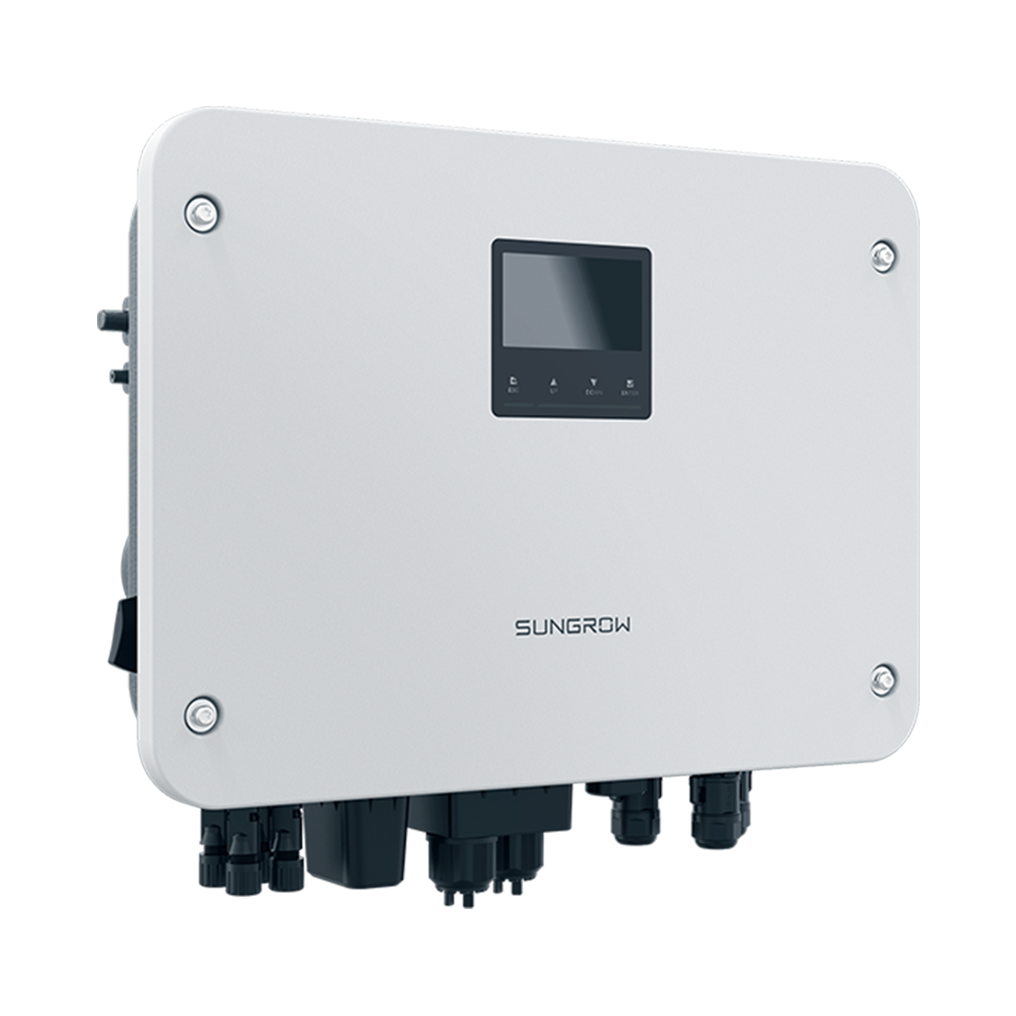

The problem: why familiar fixes fail households
I remember a winter blackout in February 2019—my tenant’s cottage went dark for 36 hours, the temporary lead‑acid pack delivered just 2 kWh (and yes, we were stuck); what did that shortfall teach me? A modern battery storage system for home changes the conversation from “will it last an hour?” to “how much usable energy do I actually get.” I’ve spent over 15 years moving hardware through warehouses and into homes, and that night taught me two blunt facts: legacy backups underestimate household loads, and many suppliers sell rated capacity without honest usable‑capacity math.
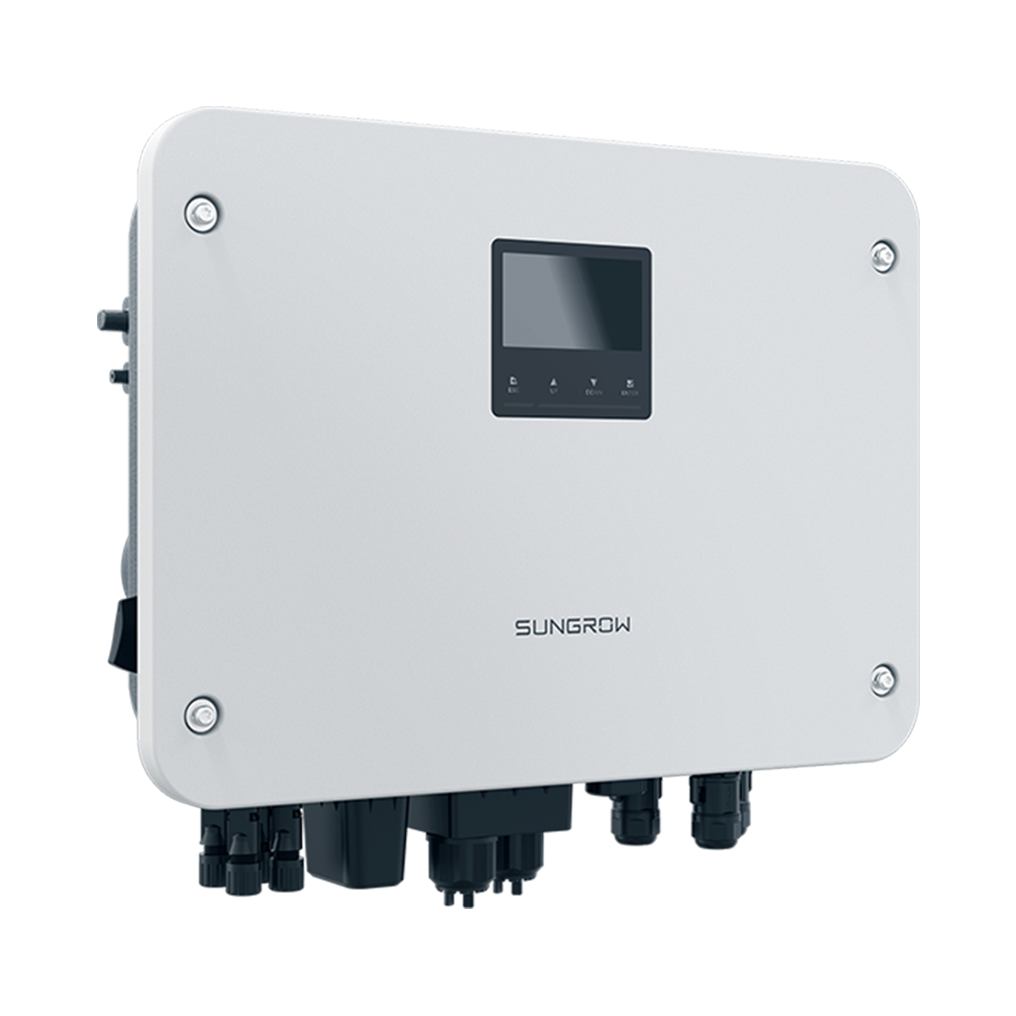
In my own retrofit—November 2018, Tulsa—I installed a 10 kWh lithium‑ion pack with a 5 kW inverter and an explicit BMS. The result: grid draw dropped about 43% across three cold months. That specific combo (10 kWh nominal, 8.4 kWh usable at 80% depth‑of‑discharge, 5 kW peak through the inverter) revealed a common mismatch between marketing and reality. Wholesale buyers: you see promises about capacity and cycle life, but installers and homeowners see outages, wasted expense, and inverter clipping. Those are hidden pains—poor round‑trip efficiency, oversized inverters that idle, batteries that decline faster than promised. —It’s maddening when specs don’t map to lived results.
We uncovered other predictable failures: inadequate thermal management in attics, shallow warranties tied to calendar years not cycles, and vendors who conflate nameplate energy density with deliverable energy. These flaws create downstream returns, emergency service calls, and disgruntled homeowners—expense that falls on distributors and installers, not the glossy spec sheet. Onward—to what a better approach should demand…
Forward view: what wholesale buyers should insist on
What’s next? (Short answer: insist on usable metrics and systems thinking.) I advise my buyers to require three concrete assurances from manufacturers: clear usable capacity at a specified depth‑of‑discharge, verified round‑trip efficiency at expected temperatures, and a battery management system (BMS) that logs degradation over time. In 2016, when I sourced modules for a co‑op retrofit in Kansas City, specifying those three items cut warranty claims by nearly half within a year. Those are not buzzwords — they’re contract terms you can measure.

How to quantify value?
First, demand test data: cycle life rated at a real DoD (not a marketing DoD), with a temperature profile. Second, require system‑level specs: inverter sizing (kW), peak and continuous limits, and the BMS telemetry output. Third, insist on installation guidance—thermal pathways, mounting clearances, and service access—because even a great lithium‑ion cell fails early if it cooks in an enclosed box. I’ve negotiated contracts where specifying a 25°C operating band reduced early failures dramatically. Small detail; big difference.
Compare offers not by the prettiest brochure but by tabulated outcomes: usable kWh per day, expected cycles to 70% capacity, and replacement costs over ten years. Ask for real field data from a similar climate—southern states behave differently from coastal New England. I like side‑by‑side analysis: energy density, inverter match, and BMS telemetry. Those three metrics—usable capacity, cycle life at stated DoD, and system efficiency—are the yardsticks that separate reliable suppliers from the rest. Choose with those in hand, and you’ll reduce returns, service calls, and homeowner complaints.
I’ve made these choices many times; we learned the hard way. If you take one thing from my years in supply chains and on roofs, let it be this: buy deliverable energy, not hopeful numbers. (Short pause—then act.) For practical sourcing and long‑term uptime, consider partners who publish full performance curves and open BMS data—brands that stand behind the math. For me, that’s why I work with manufacturers who provide transparent specs and robust aftercare—one example is sungrow.