First failures that forced a rewrite
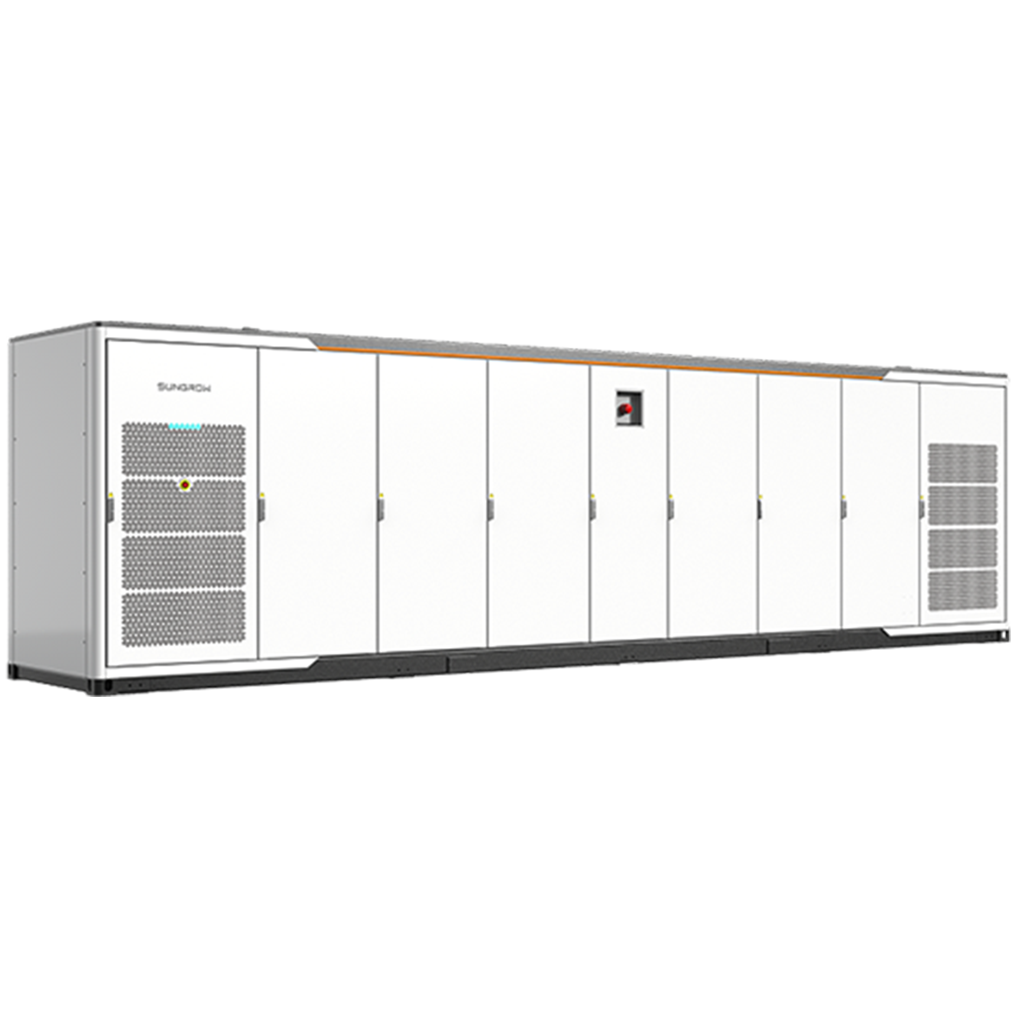
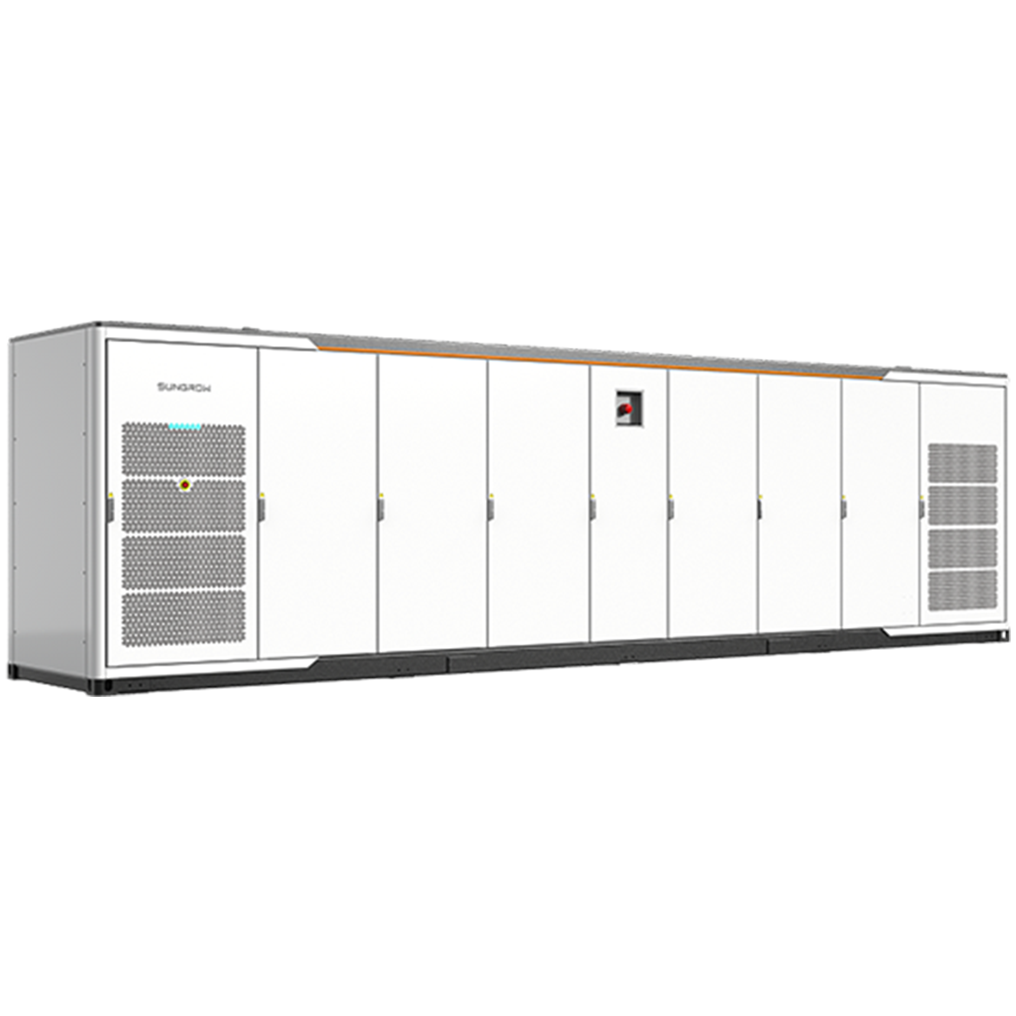
I still remember standing in front of a row of 2.5 MWh lithium-ion containers at a 50 MW site in Arizona one July morning in 2016; the air smelled like hot electronics and I felt that sinking certainty you get when a plan goes sideways. Early mistakes in the design of utility scale energy storage projects taught me fast: utility scale battery storage can look fine on paper but fail when the grid asks for frequency regulation or sustained discharge. On that site we watched available capacity fall by 12% during a heat wave—result: roughly $35,000 of lost revenue that month—so what could we have done differently to avoid that hit?
Why did that system underperform?
I’ll be blunt: I had trusted vendor claims over real-world load profiles and accepted a battery management system spec that didn’t handle prolonged high-temperature cycling. I remember the vendor datasheet (June 2015 revision) listing ambient temp limits—nice on paper, not in the desert sun. We overlooked inverter thermal derating and underestimated cell-level balancing needs; the consequence was accelerated state-of-health decline and unexpected maintenance downtime. I learned to pull actual SCADA logs, compare them to the promised round-trip efficiency, and ask for cell-level test reports before a single container shipped. No kidding—small technical gaps become major cash drains.
That episode forced me to change how I select technology and partners — read on to see how I evaluate systems now.
From reaction to a forward-looking checklist
Today I approach projects with a stricter technical lens. I define clear performance scenarios (peak shaving, grid services, black start) and run them against manufacturer test data for both BMS and inverter behavior. When I say “run,” I mean simulated dispatch over a 12-month hourly profile—not a rough guess. I also ask for thermal maps of container racks under maximum charge and discharge; if those maps show hotspots, I push back. Comparing architectures (centralized vs. modular inverter, liquid cooling vs. passive) becomes a decisive step — and yes, lifecycle cost matters more than upfront price.
What’s Next — practical metric-driven decisions?
Here’s how I pick winners now: I evaluate three core metrics before any purchase decision—availability, round-trip efficiency, and lifecycle cost per MWh. Availability measures real uptime under local ambient conditions; round-trip efficiency—measured at system level—captures losses through inverter, BMS, and thermal derating; lifecycle cost folds in replacement cell packs and expected degradation. I run a simple sensitivity: if availability drops 5%, how does payback shift? If round-trip efficiency is 88% vs. 92%, what’s the lost revenue over ten years? These numbers force honest trade-offs (and they reveal vendors who overpromise).
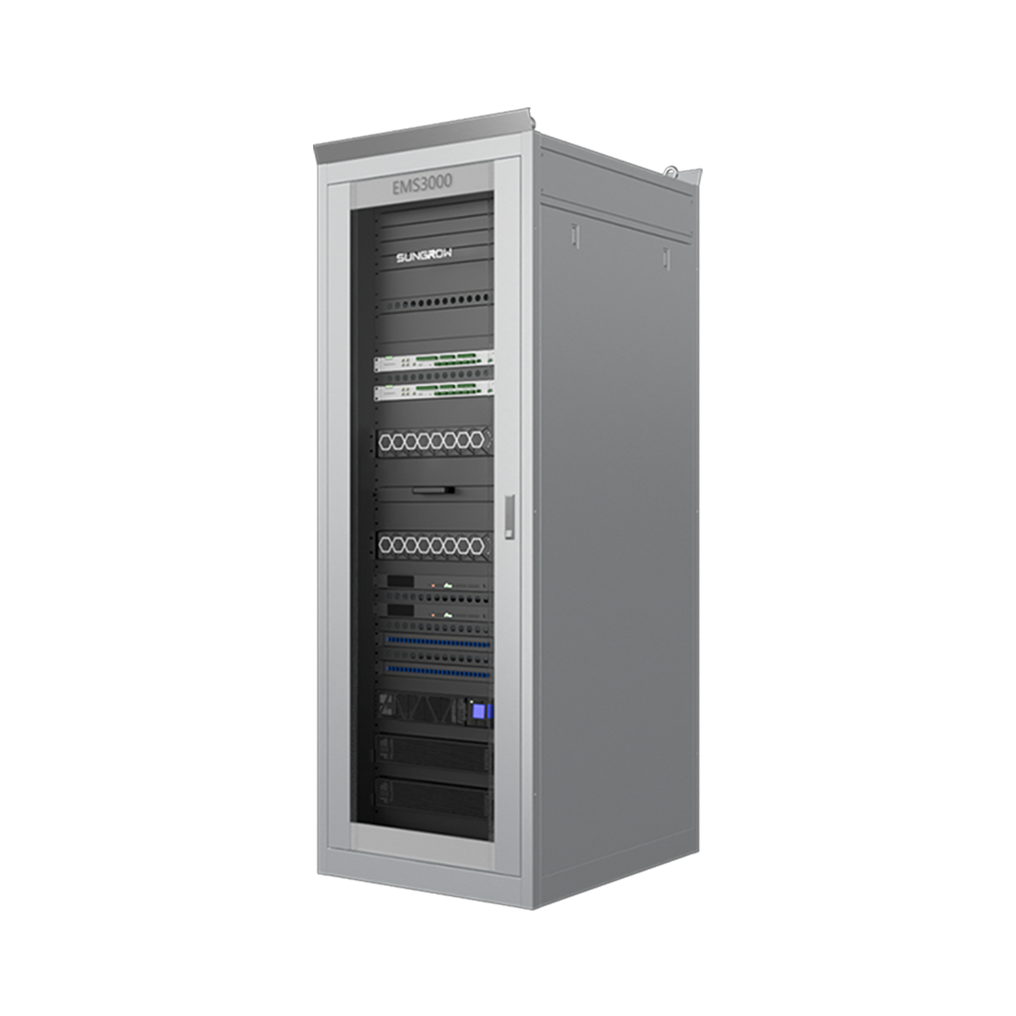
In practice, I still lean on a handful of proven components—robust BMS with cell balancing telemetry, modular inverters for ease of replacement, and lithium chemistry matched to climate and duty cycle—but I treat vendor claims as starting points, not guarantees. Also, when teams resist stress-testing proposals, I step in—because the cost of not testing is clear by now: lost revenue, extra maintenance, and client trust eroded. For a modern take on procurement and design, see current options in utility scale energy storage and compare specs against real dispatch models.
To wrap up with practical advice—evaluate these three metrics before you commit: 1) real-world availability under expected ambient and operational extremes; 2) system-level round-trip efficiency including inverter and BMS losses; 3) full lifecycle cost per MWh (replacement and degradation baked in). Those three clear numbers cut through marketing noise. I say this from over 15 years advising B2B buyers in the grid-storage space; I remember a contract change in March 2018 that saved a municipal utility 20% over 15 years when we applied exactly this approach—proof that careful metrics pay. Unexpected aside—the smallest sensors often reveal the biggest problems.
For vendors and teams that want reliable partners, I recommend starting with data, not optimism. sungrow