
Introduction: The Everyday Jam, Measurable Friction, and a Better Question
You come home with a backpack, two bags, and a cold brew sweating down your wrist. The best smart deadbolt lock should make that moment boring—in the best way. Yet, industry estimates suggest that a big slice of support tickets ties back to battery life and PIN confusion, not break-ins. Another signal: families now manage more users and temporary codes than ever, especially for deliveries and pet sitters (life is busy, hardware should keep up). So the real question is simple: are we comparing locks by the right yardstick, or just counting features and hoping for the best?
Here’s the twist. Reliability isn’t only about thick steel. It’s about the invisible stuff: the BLE stack, the power budget, and how the lock handles edge cases like low voltage or wet fingers. AES-256 encryption and a fail-secure design help, sure, but day-to-day ease decides if you love the device or stash a spare key under the mat—funny how that works, right? If we want fewer fumbles and fewer resets, we need a clearer view of where the friction hides. Let’s break down what really trips people up, and then compare what newer designs do to fix it.
Part 2: Hidden Pain Points Behind the Keypad (It’s Not What You Think)
When people say “keypads are a hassle,” they’re often pointing at the wrong thing. A modern deadbolt lock keypad works; the context around it does not. Wet hands, cold mornings, and sun glare make reading and input harder. Shared codes linger longer than they should. And when a battery dips, the system falls back to weird, non-obvious behavior that feels random. Technically, the pain comes from small gaps: a capacitive keypad matrix that isn’t tuned for moisture, a BLE stack that sleeps too aggressively, or a tamper switch that throws alerts while you’re just cleaning the door. Look, it’s simpler than you think: usability fails when firmware and hardware don’t share the same plan for messy, real-life inputs.
What are we missing day to day?
Two areas: feedback and recovery. Feedback should be clear, fast, and local. Haptics, a tiny LED bar, and short tones should confirm entry or error—without making you read a phone. Recovery should be obvious: a physical cylinder that’s shielded, a steady NFC module for backup tap, and an OTA firmware path that doesn’t brick the device if Wi‑Fi drops. The lock should act like a small edge computing node: make decisions on device, not in the cloud, with rate limiting against brute-force tries and a clean audit trail. People don’t hate keypads; they hate guessing. And the guesswork shows up when power converters sag, when sensors drift, or when settings hide behind three menus—funny how a minute of confusion feels like an hour.
Part 3: Comparative Insight—New Principles That Separate Tomorrow’s Locks
What’s Next
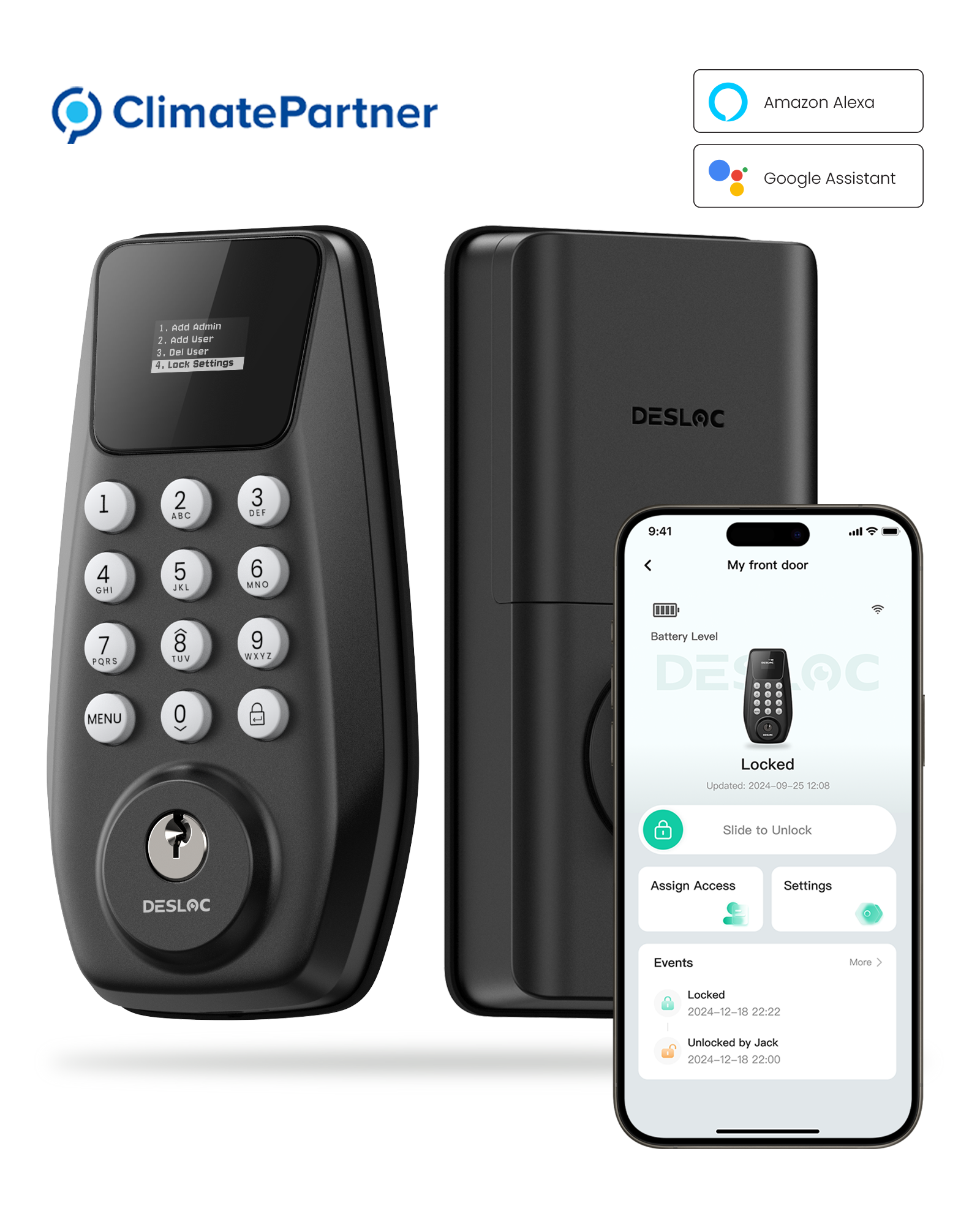
Newer platforms take a different path. Instead of piling on features, they start with principles: local-first logic, adaptive sensing, and graceful failure modes. Think dynamic power scaling so the keypad stays bright without killing the cell, and context-aware inputs that ignore palm smears but read a clean press. The best systems treat credentials like living objects—time-bound, role-based, and logged on the device. When you hear “best deadbolt keypad,” look for a model that does more than accept digits. A forward option like a best deadbolt keypad will pair a capacitive sensor with a humidity filter, run a lightweight anomaly check on-device, and sync events when the network returns. No drama, no lockouts—just sane defaults that respect the door, the user, and the power budget.

Here’s the quick summary without repeating ourselves. The keypad isn’t the problem; vague feedback and clumsy recovery are. New designs fix both with smarter firmware, better I/O pathways, and clear states (locked, pending, error) you can see or feel. To choose well, use three simple metrics. First, power discipline: measure standby draw, peak current, and low-voltage behavior under load. Second, credential control: ask how it handles temporary access, audit trails, and AES-256 at rest and in transit. Third, recovery clarity: confirm there’s a sealed cylinder, an NFC or wired backup, and a tested failsafe vs. fail-secure posture—because a frozen door at 2 a.m. helps no one. Decide with those in mind, and you won’t fall for shiny but shallow. Otherwise, you’re back to hiding keys under pots—and no one enjoys that. For a grounded benchmark in this space, keep an eye on DESLOC.