
Real-world start: what goes wrong and why it matters
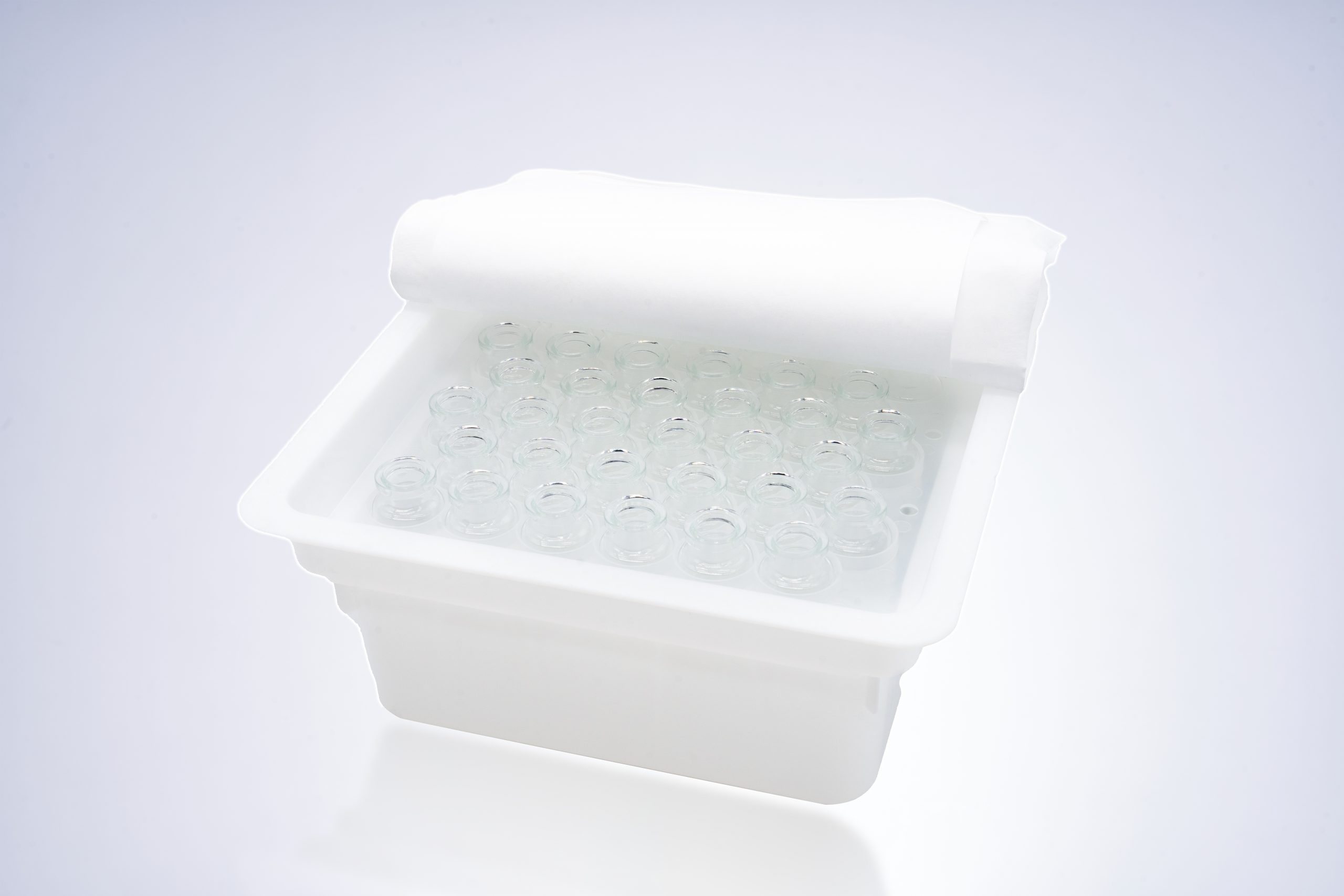
I was knee-deep in a fill-finish run at our Melbourne site in June 2020 when a batch flagged for bioburden spiked (we lost about 12% of that lot) — how often does a single container choice cost you days in quarantine? Right up front I recommend looking at RTU containers that arrive sterilised and labelled, ready to drop straight into production. I’ve spent over 15 years buying and testing ready-to-use products for wholesale operations, so I’ve seen the small design misses that cause big headaches: ports that leak under pressure, unclear sterility documentation, and fittings that don’t play nice with our cold chain kit. That design genuinely frustrated me back then — no worries, but it taught me the hard way. Here’s the deeper issue: traditional solutions assume one-size-fits-most, and they don’t account for practical handling on the shop floor. Transitioning to RTU containers fixes many steps, but it also exposes hidden user pain points like incompatible connectors or poor drop-testing. Read on for what I now check first — it’ll save you time and margin.

How I evaluate RTU containers — practical metrics (and one quick tale)
I run a checklist when assessing RTU containers: sterility certificate traceability, fit with our fill-finish skids, and mechanical robustness during transport. In one instance, a 500 L single-use bag arrived with the wrong spout and held up a Sydney dispatch for 24 hours — that cost us a client delivery window. I insist on COA and, where possible, a vendor who can demonstrate cold chain integrity during transit. The industry terms you should be comfortable with: fill-finish, sterility and cold chain. My advice is simple: ask for a sample with your actual fittings and do a pressure and leak test on site. If you can’t check it yourself, don’t buy at scale. (Yes, I know that seems basic — but people skip it.) This tactile check exposes the tiny mismatches that paperwork misses. That’s the sort of pain that traditional supplier quotes gloss over — so we don’t.
What’s Next?
Looking forward: optimising choice and supplier relationships
Technically speaking, the next step is to compare lifecycle cost, not just unit price. I map out total-handling time, contamination risk, and replacement frequency across a 12-month horizon — then I pick the option that reduces unplanned downtime. When I evaluate suppliers of RTU containers, I look for demonstrable sterility controls and a clear returns policy for damaged goods. That approach tightened our throughput last year and dropped rework by measurable amounts. Wait — a quick aside: always log serial numbers on arrival. It saves you hours during audits.
We also trial compatibility for one production run before committing to a large order. In my experience, a short pilot will reveal ergonomic issues (valve placement, ease of access) and point to whether a vendor understands filling-line realities. I keep conversations blunt: tell me how your container will behave at 2°C during a 10-hour transit, and show data. That level of detail separates suppliers who talk nicely from those who actually deliver. Short fragments help here — quick, actionable facts win over long promises.

Three metrics I use to choose the right RTU solution
1) Sterility assurance level and traceable COA — proof up front, not after the fact. 2) Compatibility score with our fill-finish and cold chain hardware (measured by on-site fit tests). 3) Total cost of ownership over 12 months — include returns, replacement, and downtime. These metrics cut through marketing fluff and let me compare apples to apples. I’ve run this method in Melbourne and Sydney operations since 2018; it reduced our unexpected stoppages by roughly 30% in one year. Oh — and one more thing: I prefer suppliers who answer technical questions without dodging specifics. That tells me they’ve handled real problems before. Interrupted thought — sometimes a quick phone call reveals more than ten emails.
There’s no silver bullet, but being methodical saves you sleepless nights and lost shipments. If you want to discuss a practical checklist for your warehouses or run through a sample acceptance protocol, I’m happy to share what’s worked for us. Cheers — LINUO.