

Introduction
Have you ever wondered why two shops using similar machines end up with very different results? I see this often—vertical machining center manufacturers claim similar specs, yet outcomes vary widely (it’s maddening sometimes). Data shows shops lose up to 15% of potential throughput from setup and tool-change delays alone. So what splits winners from the rest: machine build, controls, or process discipline?
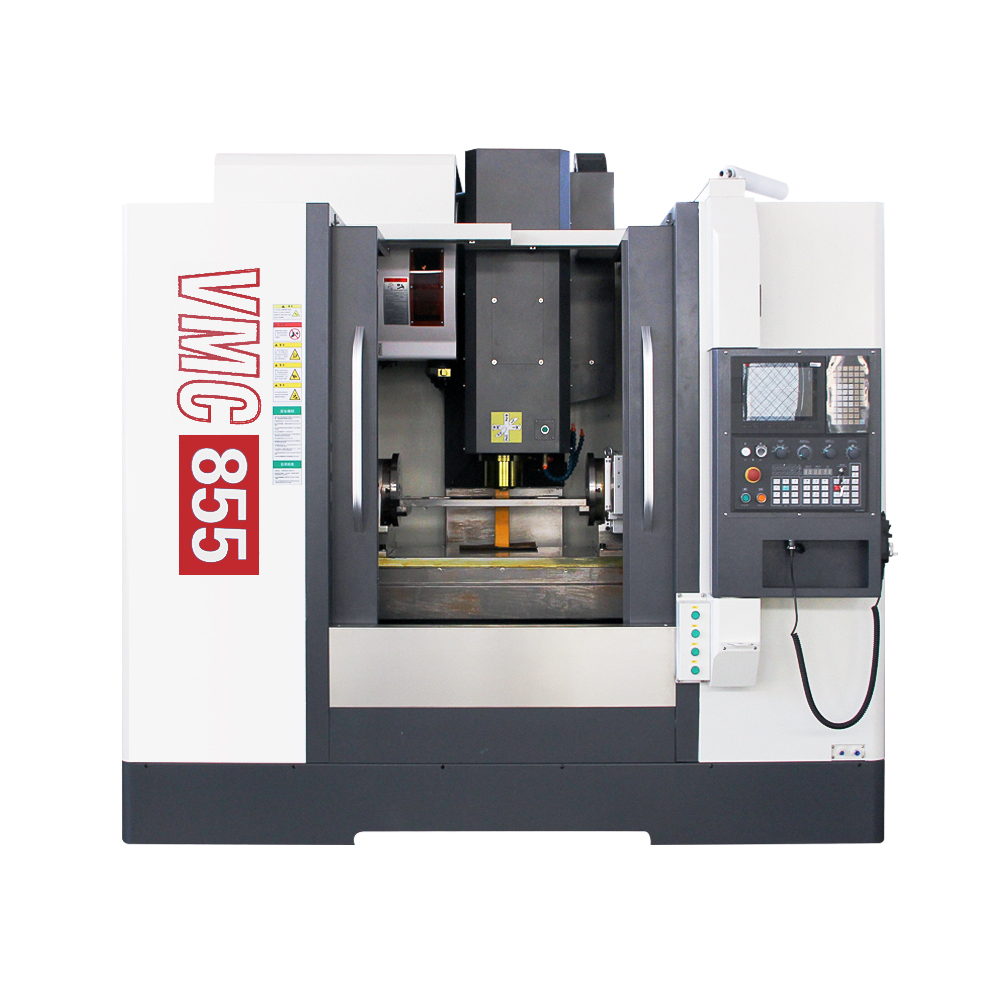
I’ll walk through that question and show how small choices cascade into big effects. Expect clear comparisons, honest trade-offs, and a few practical takeaways—then we’ll dig deeper into where traditional approaches fail.
Where Traditional Solutions Fall Short: a Technical Look
cnc vertical machining center packages often look great on paper, but beneath the spec sheet are layered problems that quietly reduce value. I want to be direct: manufacturers sometimes optimize for headline numbers—spindle speed, tool magazine capacity—while neglecting integrated systems like coolant circulation or chip flow. That mismatch creates recurring downtime. Spindle torque may be high, yet poor coolant systems and weak chip conveyors cause thermal shifts and frequent stops. Tool changer reliability? A single faulty arm can wipe out hours in a day. Look, it’s simpler than you think: reliability is system-level, not component-level.
Why does this happen?
Manufacturers pursue modularity to cut costs. It’s efficient for them but messy for us on the shop floor. The CNC controller, servo drive, and PLC often come from different vendors. Integration gaps show as jitter in axis motion or inconsistent surface finish. CAM software outputs are fine, but when the machine’s feedback loop is noisy, tolerances slip. I’ve seen shops buy top-tier spindles and then skimp on coolant pumps—results predictable and frustrating. We need balanced systems, not maximal specs in isolation.
New Technology Principles and Practical Next Steps
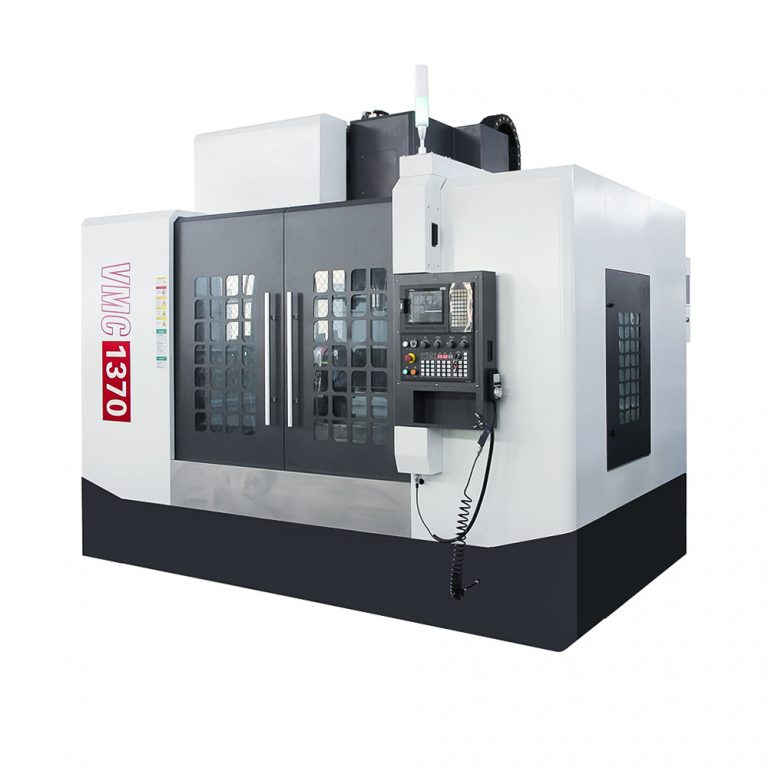
Looking ahead, the biggest gains come from smarter integration rather than raw power. Modern design starts with the control architecture and builds outward—edge computing nodes on the machine handle adaptive tool paths; real-time monitoring ties spindle torque, vibration sensors, and coolant pressure into a single feedback loop. When I evaluate a prospective supplier I ask: can their CNC speak to my shop MES? A responsive network reduces scrap and shortens cycle time—simple math.
What’s Next for buyers?
For shops choosing a partner, consider not only torque numbers but diagnostics, remote support, and upgrade paths. If your candidate is listed as a cnc vertical machining center supplier, check whether they offer firmware updates that improve axis compensation or whether their machines support predictive alerts. — funny how that works, right? Integration wins over isolated specs every time. I prefer semi-formal assessments: quantify downtime sources, score vendors on system integration, and pilot before fleet purchases.
To wrap up pragmatically, here are three evaluation metrics I trust: mean time between failures (MTBF) under your actual workloads; real-world cycle time with your fixtures and tooling; and the clarity of the supplier’s upgrade roadmap. Use those to compare candidates and you’ll avoid the typical traps. For a reliable partner who understands both machine mechanics and system integration, consider checking resources from Leichman.
