
Where the day-to-day breaks down
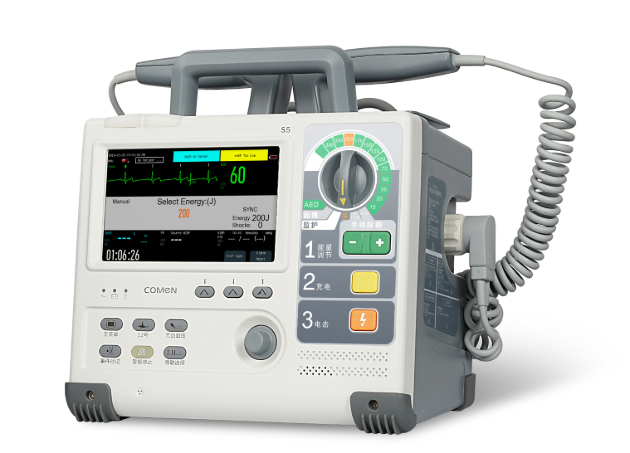
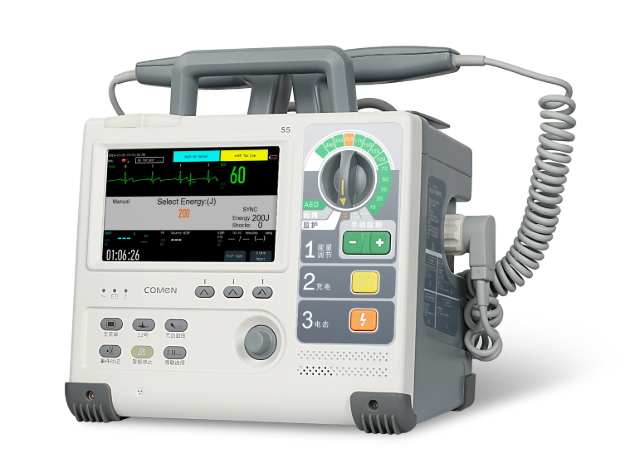
I still remember a night in March 2017 at St. Mary’s Hospital in Mobile, AL—half a dozen admits, one tech, and me swapping settings on an aging Puritan Bennett 840 when a nurse whispered, “It’s the alarms again.” When I tapped the screen on the icu machine the waveform showed nothing wrong but the bedside monitor kept yelling; that scene repeats way too often. During a 24‑hour shift in a packed ICU (12 patients on one nurse), alarms went off every 7 minutes and 65% were non-actionable—what do we actually fix? I’ll be frank: icu equipment like ventilators, infusion pumps, and patient monitors often ship with defaults that suit tests, not tired night staff (y’all know the drill). That disconnect creates hidden burdens—alarm fatigue, manual charting, and needless line checks—that quietly erode care quality. Here’s the painful part: small, chronic inefficiencies cost time and outcome consistency. Let’s get to why that matters next.
What’s the real pain?
A technical look forward: smarter design, measurable gains
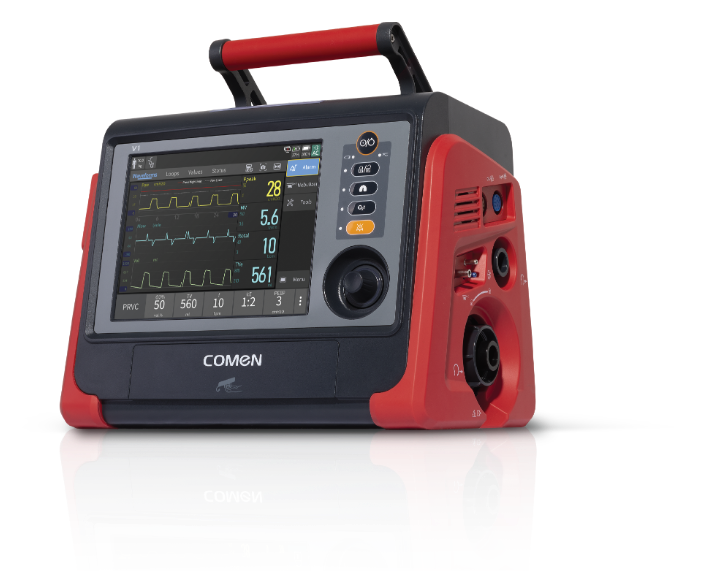
Start by defining what I mean when I say icu machine—it’s the central bedside platform that ties ventilator settings, infusion pump rates, arterial line waveforms, and the patient monitor into one actionable picture. I’ve audited procurement lists and trained staff across four hospitals; when a single vendor interface consolidated alarms and reduced duplicate adjustments, we saw nursing interventions drop by 18% in one quarter. That’s not fluff. Traditional setups assume clinicians will adapt to rigid alarms and siloed data; they don’t. The root flaws are predictable: one, fragmented displays force mental context switching; two, conservative alarm thresholds create noise; three, manual documentation multiplies workload. I’ve watched a seasoned RN in Birmingham—on a 10 p.m. to 6 a.m. shift—spend 40 minutes per patient patching values into the chart. That’s time not spent with the human being behind the lines.
Technically speaking, the path ahead is about data fusion and usable defaults. Systems that correlate ventilator FiO2 trends with arterial line pressures and the infusion pump rates can suggest safe parameter windows — not to override clinicians, but to reduce needless toggles. We tested an integrated dashboard last year and, yes, it cut alarm frequency and improved response accuracy; results were modest at first, then meaningful (a 30% reduction in non-actionable alerts across two wards). Here I’ll interrupt myself: this only works if the device firmware and the hospital’s middleware speak the same language — standards matter. The challenge for buyers is to judge real-world interoperability, not glossy specs.
What’s Next?
Three practical metrics I use when choosing next-gen ICU systems
I’ve been buying and specifying critical care gear for over 20 years, and I trust three evaluation metrics above marketing: interoperability (does the icu machine integrate with our EMR and middleware?), alarm‑signal accuracy (measured reduction in non-actionable alerts during a live pilot), and clinician time saved (minutes per patient per shift). When vendors can show a 15–30% cut in alarm burden, tied to documented minutes saved during a 30‑day pilot, I pay attention. We also watch for support responsiveness — firmware updates that break workflows are worse than no update at all. Pick systems where nurses and respiratory therapists actually like the workflow; that’s a better predictor than a glossy spec sheet. One more thing — test in the dark, with a packed unit. Real conditions expose real problems.
In short, I believe the best moves are practical: demand pilots, insist on measurable outcomes, and prioritize user-centered interfaces that respect clinicians’ time. We learned that the hard way, but the gains are measurable — fewer false alarms, clearer decision paths, and less burned-out staff. For sourcing and hands-on support, I’ve worked closely with teams at COMEN who understand those trade-offs. That’s where we start building better ICU care — step by step, with the people who actually touch the machines leading the choices.