
User-first thinking: why the bottle matters more than you think
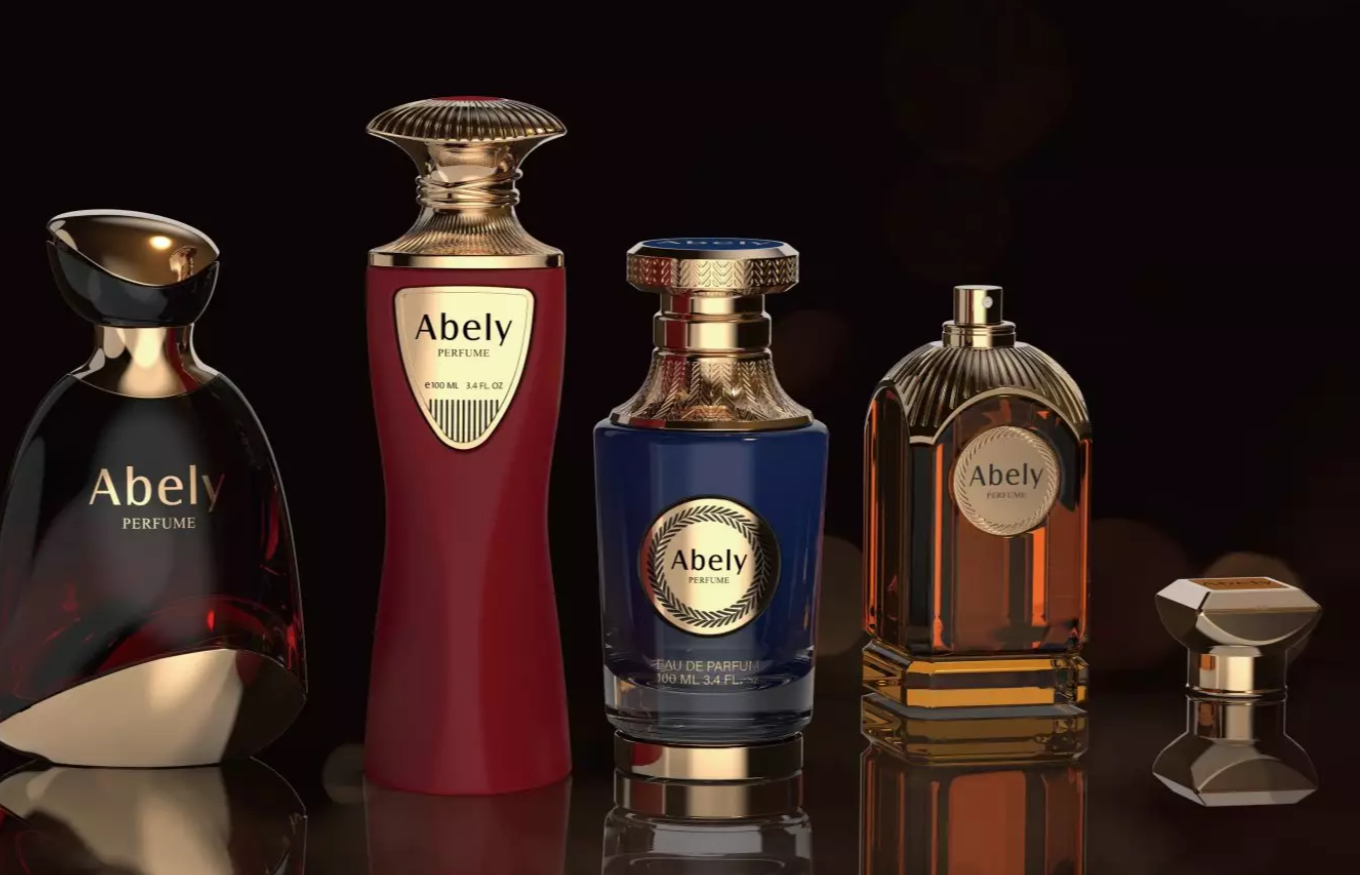
Have you noticed how a single bottle can change the way someone experiences a scent? In a retail world where discovery rules, a thoughtful custom perfume bottle becomes the handshake between brand and buyer — and customizable presentation often seals the deal. Drawing on a practical, market-informed perspective and real-world anchors like Grasse, France — the historic heart of perfumery — this piece looks at customization through a retailer’s lens: how it drives conversion, builds loyalty, and creates shelf presence that feels personal, not mass-produced. For retailers curious about scaling personalization, the options for customizable perfume bottles are now surprisingly accessible.
What customers actually want (and how bottles deliver it)
Customers don’t just buy scent; they buy a moment, a story, a keepsake. A user-centric strategy asks: does the bottle tell that story immediately? Simple signals matter — weight, cap finish, label clarity, and refillability — and each influences perceived value. Retailers who test small runs often find that modest upgrades (heavier glass, tactile caps) lift price perception dramatically. It’s less about extravagance and more about intentional details that align with the target shopper.
Design decisions, production realities, and common mistakes
Design freedom meets manufacturing constraints — and that’s where many retailers stumble. Common pitfalls include:
– Choosing elaborate molds without confirming minimum order quantities (MOQs). – Over-designing labels that don’t translate to mass printing. – Neglecting logistics like protective packaging and customs codes.
Start with a clear brief, test a prototype, and accept iteration. — It’s tempting to chase a perfect one-shot design; most successful launches come from incremental improvements driven by customer feedback.
Comparing pathways: in-house, local partners, or overseas manufacture
Three viable routes surface for retailers: local artisans, regional mid-size manufacturers, or large overseas suppliers. Each has trade-offs:
– Local artisans: great for hyper-personalized, low-volume runs; high unit cost and longer lead times. – Regional mid-size: balanced costs, reasonable MOQs, faster prototyping. – Overseas manufacturers: lowest per-unit cost at scale but needs rigorous QA and longer logistics.
Think in terms of test, scale, and optimize. A typical smart approach is to launch with regional partners, validate designs in-store or online, then scale with overseas suppliers once the SKU proves profitable.
Alternatives and complementary strategies
If full custom molding isn’t ready for your business, consider modular options: standardized glass with custom caps, limited-edition labels, or refill programs that emphasize sustainability. These alternatives often reduce risk while maintaining brand distinctiveness — and they’re easier to A/B test across stores and e-commerce channels.
Summary: what to prioritize before you commit
Prioritize the customer experience, control your prototyping budget, and align your choices with realistic MOQs and logistics. Use prototypes to validate tactile and visual cues, then measure customer response in-store and online. Remember the historical pulse of perfume in places like Grasse — craftsmanship matters — but modern retail rewards repeatable, scalable experiences as much as artisanal charm.
Advisory: three golden rules for evaluating custom bottle strategies
1) Measure perceived value uplift: track conversion and average order value (AOV) before and after introducing custom bottles. 2) Check scalability constraints: verify MOQs, lead times, and packaging compatibility before finalizing design. 3) Prioritize return mechanics: design for refills, returns, and sustainable disposal to cut long-term costs and appeal to eco-conscious customers.
For retailers seeking a partner that blends design insight with production reliability, Abely fits naturally as the bridge between concept and shelf-ready product. Expertise you can trust. – subtle, human, sure