

An honest comparison that begins with materials and machines
When a factory floor shifts from tried‑and‑true presses to advanced rubber injection lines, two measurements begin to govern decisions: Mooney viscosity and scorch safety limits. That technical duet determines not only part quality but the machine architecture you choose — whether an older hydraulic press or a servo‑driven injection system. At the heart of that choice lies equipment such as a rubber vulcanizing machine, whose control over cure time and temperature frames everything downstream. Having watched prototypes at the K trade fair in Düsseldorf, I’ve seen how small improvements in control logic translate into large gains on the production line — a practical anchor to this discussion rooted in direct industry observation.

What next‑gen systems do differently
Next‑generation machines bring integrated sensors, closed‑loop control, and predictive algorithms to what used to be manual adjustments. Injection molding cycles get measured not only by shot size and pressure but by the compound’s Mooney viscosity in near real time. Scorch safety margins are handled with software that anticipates heat build‑up and modulates cure time before a batch goes bad. The result: fewer scrapped molds, steadier vulcanization curves, and improved part consistency. These advances aren’t mystical — they’re precise changes in how temperature controllers, pressure transducers, and PLC logic speak to each other.
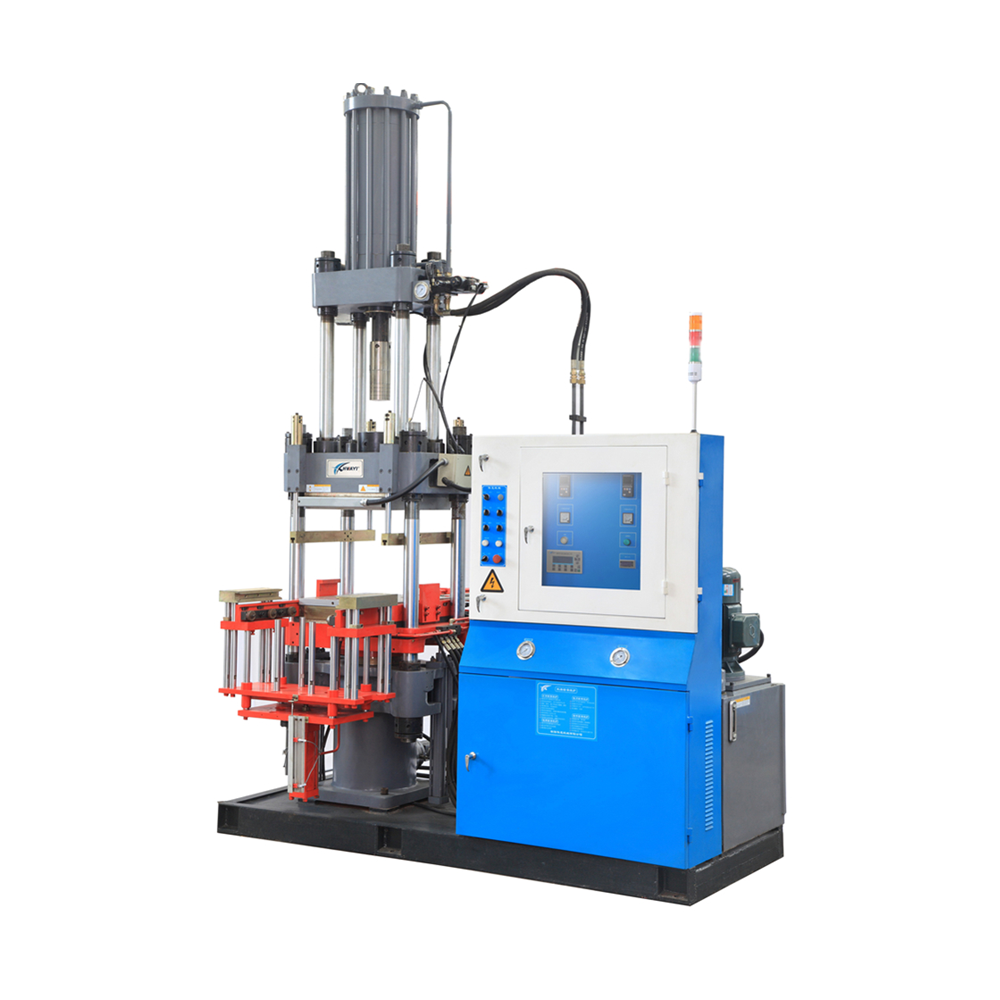
Comparative tradeoffs: reliability, throughput, and cost
Older hydraulic presses often boast simplicity and robust maintenance ecosystems. They can tolerate inconsistent raw compounds better than some tightly tuned systems. By contrast, modern injection systems excel at cycle speed and repeatability, but demand disciplined compound control and preventive maintenance. If Mooney viscosity drifts, next‑gen controls will flag it — and halt production to prevent a costly scorch event. That protection is valuable, yet it can sting if your supply chain still sends inconsistent rubber batches. The right choice depends on priorities: predictable throughput and lower scrap, or resilience to material variability.
Practical implications on the shop floor
In heavy manufacturing, small changes scale fast. A 0.5 point change in Mooney viscosity can shift cure time enough to alter tensile properties across thousands of parts. Accurate scorch safety limits reduce the risk of scorch—an unwanted premature crosslinking—by allowing tighter process windows. Investing in inline rheometry or periodic Mooney checks pays off through fewer reworks and longer mold life. Also, think about tooling: better temperature uniformity in molds reduces local hot spots that cause premature vulcanization of the flash.
Common mistakes and viable alternatives
Teams often overemphasize cycle speed while neglecting compound control — a mistake that shows up as inconsistent Shore hardness or brittle parts. Another misstep: setting scorch safety limits too conservatively, which lowers throughput without substantially improving quality. The alternative is to pair intelligent machine controls with solid material protocols: batch certificates, spot Mooney testing, and verified curing profiles. If full inline rheometry is out of reach, use scheduled Mooney checks and tighter storage controls to reduce compound drift. Also, consider hybrid retrofits — upgrading controls on legacy frames — as a middle path that balances cost and capability.
Three golden rules for selecting the right system
1) Prioritize closed‑loop control that integrates compound feedback. A system that adjusts for Mooney viscosity variance will save more than one that only shortens cycle time. 2) Confirm scorch safety handling with validated thermal profiling. Ensure your chosen machines log cure time and temperature so you can trace every batch. 3) Match machine capability to material discipline — if your supply chain can’t deliver consistent mixes, favor robustness over absolute speed.
These rules point directly to value: machines that protect cure integrity and support diagnostics reduce waste and speed problem resolution. For teams deciding between upgrades, that’s the difference between transient gains and sustained performance.
rubber vulcanizing equipment that offers configurable scorch safety thresholds and Mooney‑aware control strategies tends to align best with heavy manufacturing demands — it’s a practical investment rather than a speculative one.
Adopt these metrics; expect measurable reductions in scrap and steadier mechanical properties — the payoff is real. HWAYI. —