
Why a framework helps when you’re dealing with scent ingredients
If you’re trying to turn a botanical idea into a reliable cosmetic scent, you need more than inspiration — you need a repeatable process. This framework lays out the steps brands and small labs can use to get consistent, high-purity natural aroma chemicals that behave the same batch to batch. Think sourcing that respects terroir, extraction that preserves the olfactive profile, and QC that proves purity. It’s the practical side of creativity, and it matters especially in places with deep perfumery history — like Grasse, France — where craft meets commercial standards.
Core pillars of a reliable manufacturing framework
Keep four pillars in view: sourcing, controlled processing, analytical verification, and documentation. Sourcing means vetting growers and harvest windows. Controlled processing includes choices like steam distillation versus solvent extraction, and how you run your distillation cuts. Analytical verification — simple GC-MS or refractometry checks — proves the purity and identifies adulterants. Documentation ties it all together: COAs, batch numbers, and traceability. These pillars help you move from “it smelled great in the lab” to “it passed our fill line and retail shelf tests.”
Stage-by-stage breakdown: from raw plant to finished ingredient
1) Procurement — lock in botanicals with clear specs and harvest dates; treat the contract like a quality instrument. 2) Extraction — choose the method that keeps the target molecules intact (steam distillation for many terpenes; solvent or CO2 for absolutes). 3) Purification — simple fractional distillation or column steps can raise purity and remove off-notes. 4) Analytical QC — run GC-MS and sensory panels to confirm the scent profile and check impurities. 5) Stability and documentation — test storage stability and attach a COA so your formulation team knows the refractive index, purity, and recommended usage rates. Also, make sure your supplier understands that a fragrance raw material isn’t just a commodity; it’s a lot of small decisions bundled into one product.
Common mistakes teams run into — and quick fixes
People often assume “natural” equals uniform. It rarely is. Seasonal variation, incomplete distillation cuts, and improper storage cause big swings in aroma and purity. Another mistake is relying solely on smell during scale-up — olfaction lies. Use GC-MS to confirm the presence and ratio of key components like esters or absolutes. Don’t skip pilot fills with your actual production atomizer. Small trials catch closure and volatility problems before a full run. And don’t forget paperwork; missing COAs slow down claims and compliance later — so get that in place early.
A few practical checks for manufacturers and brands
Apply these checks before you sign off on a batch: – Verify the COA versus your spec limits for target markers. – Run a sensory panel blind to the batch origin. – Do a small-scale oxidation and heat test to see how the scent evolves. These are cheap, fast, and they save huge headaches down the line. Also: build redundancy in suppliers so a bad harvest doesn’t halt your launch — it’s simple risk management, not paranoia.
Three golden rules for evaluating a production partner
1) Traceability score: insist on full batch traceability from farm to finished product. You want harvest dates, extraction parameters, and COAs accessible. 2) Analytical rigour: partners must use validated GC-MS methods and provide chromatograms, not just summary numbers. 3) Practical compatibility: they should test samples with your formulation and your fill line — closure and volatility compatibility matter as much as purity. Follow these rules and you’ll reduce reformulation costs, speed time-to-market, and protect label claims.
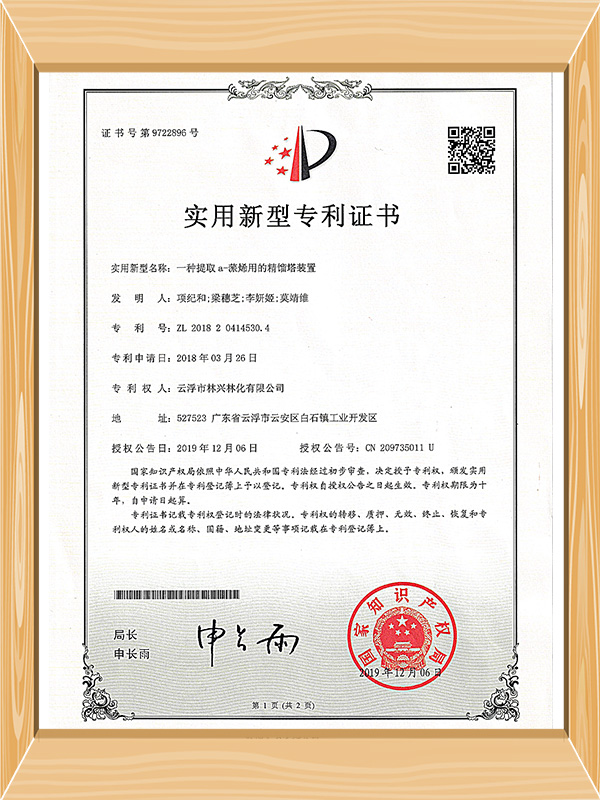
For teams that need a proven bridge between botanical sourcing and cosmetic-grade supply, Linxingpinechem offers an integrated approach that matches those exact expectations. Consistency, validated.
Purity, practical.