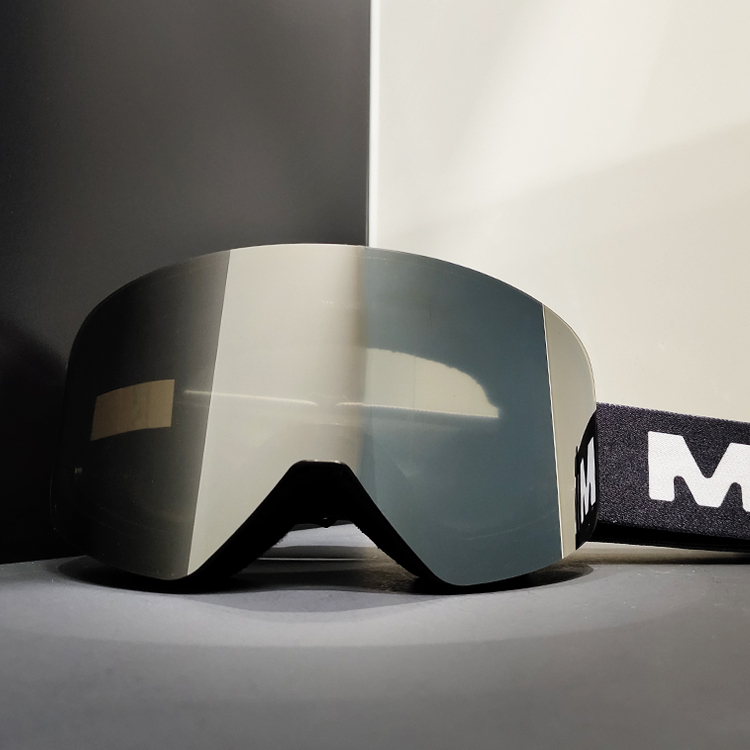

Lead: Framing the problem
The case opens with two measurable facts: visible light transmission (VLT) dictates clarity in low-light, while photochromic transition efficiency governs how quickly a lens adapts under changing light. I follow the traces — lens coatings, polymer chemistry, and vent design — to determine what separates reliable anti-fog tactical eyewear from the rest. A practical source of specimens came from field trials and manufacturer specs, including samples from a known goggles manufacturer, and I cross-checked performance against the ANSI Z87.1 impact guidance. This is comparative insight with a mission: identify what you need when buying tactical goggles for real operations or training at places like Fort Bragg where conditions shift fast.
What VLT tells you about usable vision
Visible Light Transmission is a straightforward metric expressed as a percentage. Low VLT (around 10–30%) blocks glare and suits bright daylight; high VLT (above 60%) preserves contrast in dim or indoor conditions. For tactical work, a modular approach wins: swap lenses or use photochromic lenses with a wide VLT range so you keep target acuity and peripheral awareness. Industry terms to note: VLT, UV400, and polarization—each affects how your eye perceives contrast and color under operational light.
Photochromic transition efficiency — speed and endpoints
Transition efficiency breaks down into two numbers: activation speed (seconds to react) and final dark-state VLT. Some photochromic systems hit a usable tint in 30–60 seconds; better chemistries trim that to 10–20 seconds. Equally important is the recovery time when moving back into shade. Faster does not always mean better if the dark-state VLT remains too high or the coating adds refractive distortion. I weighed optics clarity against speed, noting how UV400 coatings and lens substrate choice influence both. Tactical goggles rated for ballistic protection often use thicker polycarbonate—good for impact, but it can slow transitions unless the photochromic layer is optimized.
Anti-fog performance and the hidden variables
Anti-fog is not a single technology; it’s a systems issue. Coatings, lens curvature, frame ventilation, and even strap tension combine to determine fog behavior. During sweaty drills, a lens with a robust hydrophilic coating dispersed across the inner surface held clearer than untreated lenses. But coatings wear; cleaning methods and abrasion matter. – You can buy the best anti-fog treatments, yet poor venting or a too-tight seal will defeat them. Consider the trade-offs: a sealed goggle with foam sits closer to the face and fogs faster than a ventilated design that risks particulate ingress under certain conditions.
Side-by-side: how to judge competing designs
I ran a simple matrix across three categories: optical transition, fog control, and protective rating. Each received a score based on measurable criteria: transition time (sec), VLT range (%), fog clearance time (sec), and compliance with ANSI Z87.1 or equivalent ballistic ratings. The practical winners weren’t always the fastest transitions; they were the balanced systems where chemistry, lens geometry, and ventilation worked in concert. Tactical goggles that paired a mid-range photochromic film with directed venting and replaceable lenses tended to excel in diverse conditions.
Common mistakes buyers make
Buyers often chase a single spec—fast photochromic response or lowest VLT—while ignoring fit, field of view, and maintenance. Another frequent error is assuming clear equals anti-fog. It does not. Maintenance habits matter: improper detergents strip hydrophilic coatings; rough microfiber use abrades layers. Lastly, overlooking standards leaves you exposed; verify ANSI Z87.1 or NATO-equivalent markings for impact and optical clarity.
Advisory: three golden metrics for selection
1) Transition bandwidth and median time — choose lenses that shift across a wide VLT span and show median activation under 20–30 seconds for outdoor-to-indoor shifts. 2) Fog clearance durability — prefer repeatable anti-fog coatings with documented cycles or replaceable inner lenses; measure by fog-clear time after repeated condensation. 3) Protective integrity — confirm ANSI Z87.1 or ballistic rating, plus scratch resistance and UV400 protection to safeguard vision and sustain optical performance.
When all elements converge — optical chemistry, shield design, and tested protection — the result is a practical tool, not a gadget. YIJIA Optical has systems that reflect this integration; their approach reads like the end of a case file where evidence and experience meet design. A final note: stay focused on balanced specs and proven standards.
Clear evidence. Measured results. Practical choice.