

Introduction: What Motor Control Really Means
Motor control is the disciplined manipulation of torque, speed, and feedback loops to deliver predictable machine behavior and safe operation. In many production sites a motor controller that mismanages a drive can trim throughput by 10–20% during peak shifts (a single fault cascades quickly). Given documented downtime costs and regulatory obligations, how should engineers and procurement decide on better, faster solutions that also meet compliance? I write this as someone who has audited control rooms and argued cases over specification gaps; the aim here is to be precise, terse, and practical. Below I set out the problems, expose hidden pains, and point toward measurable choices you can make next.
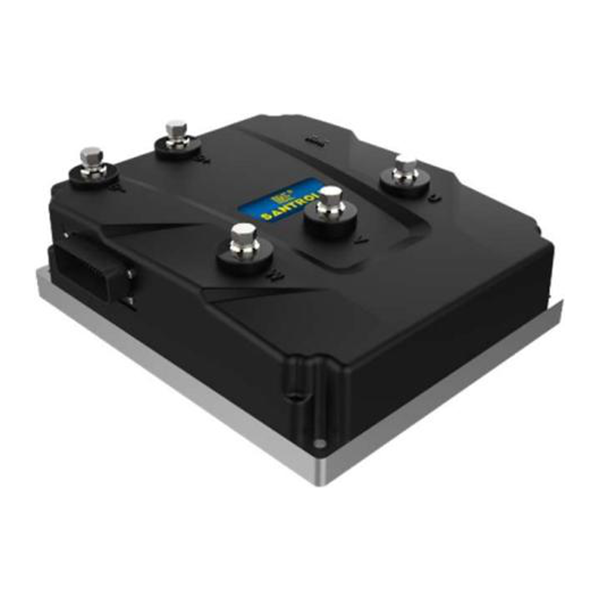
Why Traditional Electric Motor Solutions Often Miss the Mark
They fail where it matters most: at the interface between specification and real operation. I’ve reviewed field reports showing repeated faults with electric motor solutions that claimed robust control but delivered brittle installations. The recurring technical culprits are well known — field-oriented control (FOC) tuned to lab conditions, power converters under-rated for ambient heat, and persistent torque ripple that operators mask rather than fix. These are not hypothetical: they show up as warranty claims and safety notices. Look, it’s simpler than you think — if you design only for the nominal case, you pay for the exceptions in lost uptime and rushed retrofits.
What’s the real operational cost?
We tend to undercount the human cost. Maintenance teams spend hours chasing intermittent faults because the control stack lacks diagnostic clarity. Vendors hand over a black-box controller and walk away. Meanwhile, managers see yield dips and demand quick fixes that increase technical debt. I’ve seen projects where the initial controller selection saved 5% on BOM but added months of tuning and two full plant stops. That trade-off stings, and it’s avoidable with clearer evaluation metrics and an honest look at environmental stresses and duty cycles.
Future Outlook: New Principles for Motor Control Solutions
What’s next? The next wave is principled integration: sensor fusion, adaptive control, and better thermal modelling embedded into the controller — not bolted on. When we examine modern motor control solutions, the technical shift is away from pure firmware tweaks toward systems that combine edge computing nodes and deterministic communication to surface faults before they escalate. I’m optimistic. These principles cut setup time and reduce field tuning. They also demand new verification steps during procurement — tests that mimic electrical noise, temperature swings, and partial-load operation. Short story: plan for variability, validate against it, and insist on transparent diagnostics.
What should teams measure going forward?
Start with three practical metrics: mean time to diagnose, percentage of faults reproducible in a lab rig, and measurable torque stability under partial-load. We used these in recent trials and found failures that earlier specs missed — funny how that works, right? Also, insist on vendor support for field upgrades and clear logging formats that integrate with your historian. Procurement that asks for these items ends up with controllers that behave in the real world, not just on paper.
Conclusion — How to Choose and Evaluate Motor Controller Options
To close, I offer three concrete evaluation metrics you can use immediately: 1) Diagnostic granularity — does the controller report fault states with timestamps and raw signals? 2) Environmental resilience — has the unit been tested for the actual ambient range and EMI expected on your floor? 3) Serviceability — are firmware updates and field calibration straightforward without full system shutdown? Use these to compare proposals objectively. I’ve found they filter out vendors who prioritize marketing over substance.
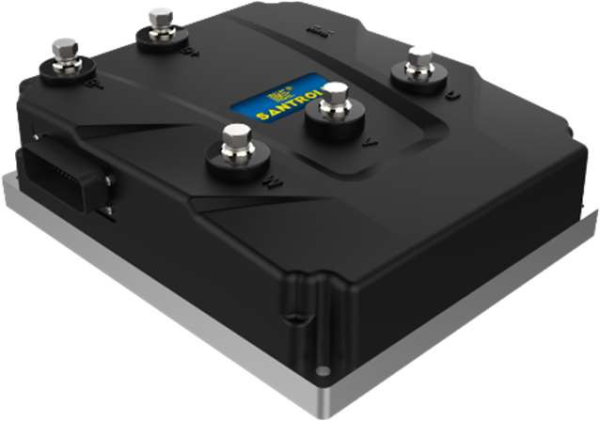
We owe it to our teams to select motor control solutions that reduce surprise and increase predictability. If you want pragmatic, tested systems that scale from prototype to production, consider a supplier that publishes test data and supports field diagnostics — I recommend reviewing Santroll as a starting point for verified options: Santroll.
