

Quick comparison to set the stage
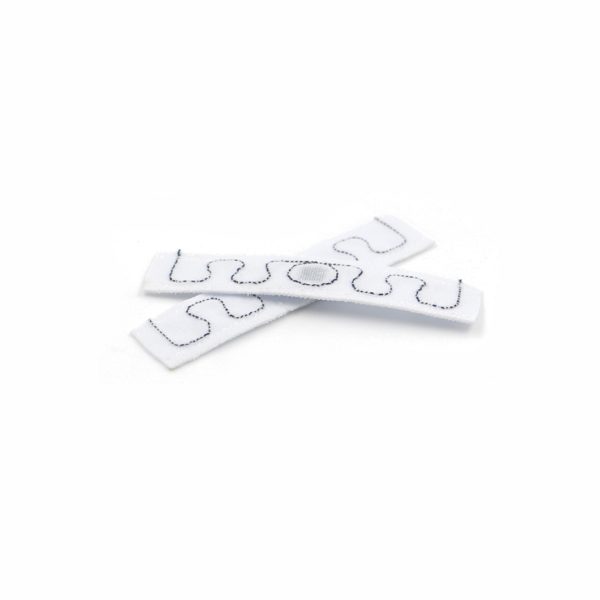
Short answer first. Active long-range tags reach far. Passive tags, often UHF, read closer. You choose by need. If you want broad sweeps across yards or moving assets, active helps. If you want cheap, dense tagging of retail stock, passive fits. For clarity, look at sample products and ranges like uhf rfid tags. Simple.
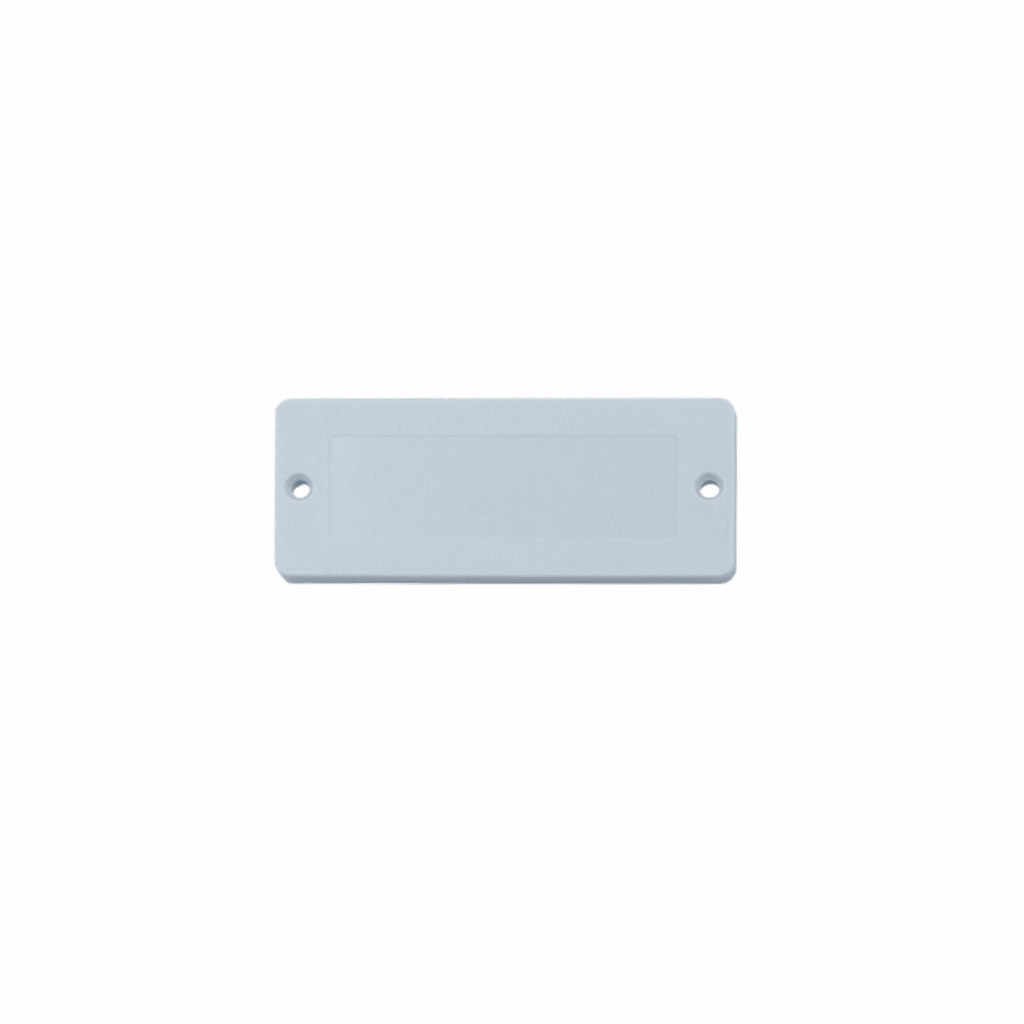
Range and read reliability
Active tags: dozens to hundreds of meters. Reliable at speed. They broadcast; readers pick up without perfect orientation. Passive UHF: typical reliable reads up to 10–15 meters with good antennas and environment control. Real numbers change with antenna gain, power, and interference. Choose measured specs, not marketing peaks. Test on-site. Oui, test.
Power, lifespan, and maintenance trade-offs
Active tags need batteries. That means planned replacement or rechargeable cycles. Lifespans vary—months to years depending on transmit interval. Passive tags are maintenance-free until they’re damaged. Batteries give active tags features: periodic telemetry, on-board sensors, alerts. But they add cost and logistics. Decide if the extra data justifies the upkeep.
Which use cases favor active long-range?
Large perimeters. Vehicle yards. Railcars moving through gates. High-value assets that must be continuously monitored. Cold-chain segments where battery-powered sensors give temperature history. If you need location updates without close passes, active wins. If you need thousands of low-cost ID points on small items, passive UHF wins. Mix both. Use active for layer one visibility; passive for dense inventory.
Common pitfalls and deployment mistakes
Don’t assume range figures translate from datasheet to site. Metal, concrete, and RF noise cut range. Overlooking antenna placement kills performance. Using a one-size-fits-all tag wastes money. Forgetting battery lifecycle planning leads to blind spots. Skipping real-world site testing is the biggest mistake. Run pilot reads. Measure real read rates. Adjust tag type and placement.
Experience, authority, and sourcing notes
I’ve done integrations in warehouses and yards. Decades of field tests shape what I recommend: measure, pilot, iterate. Many uhf rfid tag manufacturers operate from Shenzhen, a known electronics hub where design and scale meet—this concentration shows up in supply chains and trade reports. When you evaluate suppliers, compare robust test data, replacement policies, and regional support. See product lines and specs from uhf rfid tag manufacturers as part of that vetting.
Alternatives and when to mix technologies
Consider BLE beacons for fine-grain indoor tracking where smartphones interact. GPS tags for wide outdoor location but note power costs. Passive UHF for cost-effective item-level tagging. Hybrid systems give the best practical coverage: active for coarse, continuous monitoring; UHF passive for close-read inventory and asset reconciliation. Plan integration at the reader and middleware layers to avoid duplicate data and confusion.
Final synthesis
Pick technology to match the problem. Active long-range RFID gives continuous, far-reaching visibility. Passive UHF gives dense, low-cost identification. Test on-site. Define maintenance plans. Balance cost against the operational risk you’re solving. For practical procurement and specification comparison, vendors like RSTC often surface the trade-offs clearly, helping teams choose which tag type to deploy where.
