

The problem retailers and venues keep bumping into
Retailers, cafés and transport hubs want bright messaging but hate bulky clunky screens that fail after a season. You get blurry prints, low-impact screens that wash out in daylight, and playlists that need a full-time person to manage. That’s where a compact led poster display can be practical: small footprint, daylight-legible brightness and easy content swaps. The real problem is not the tech itself but choosing something that matches the environment, content needs and budget — quickly turning a promising upgrade into an expensive headache.
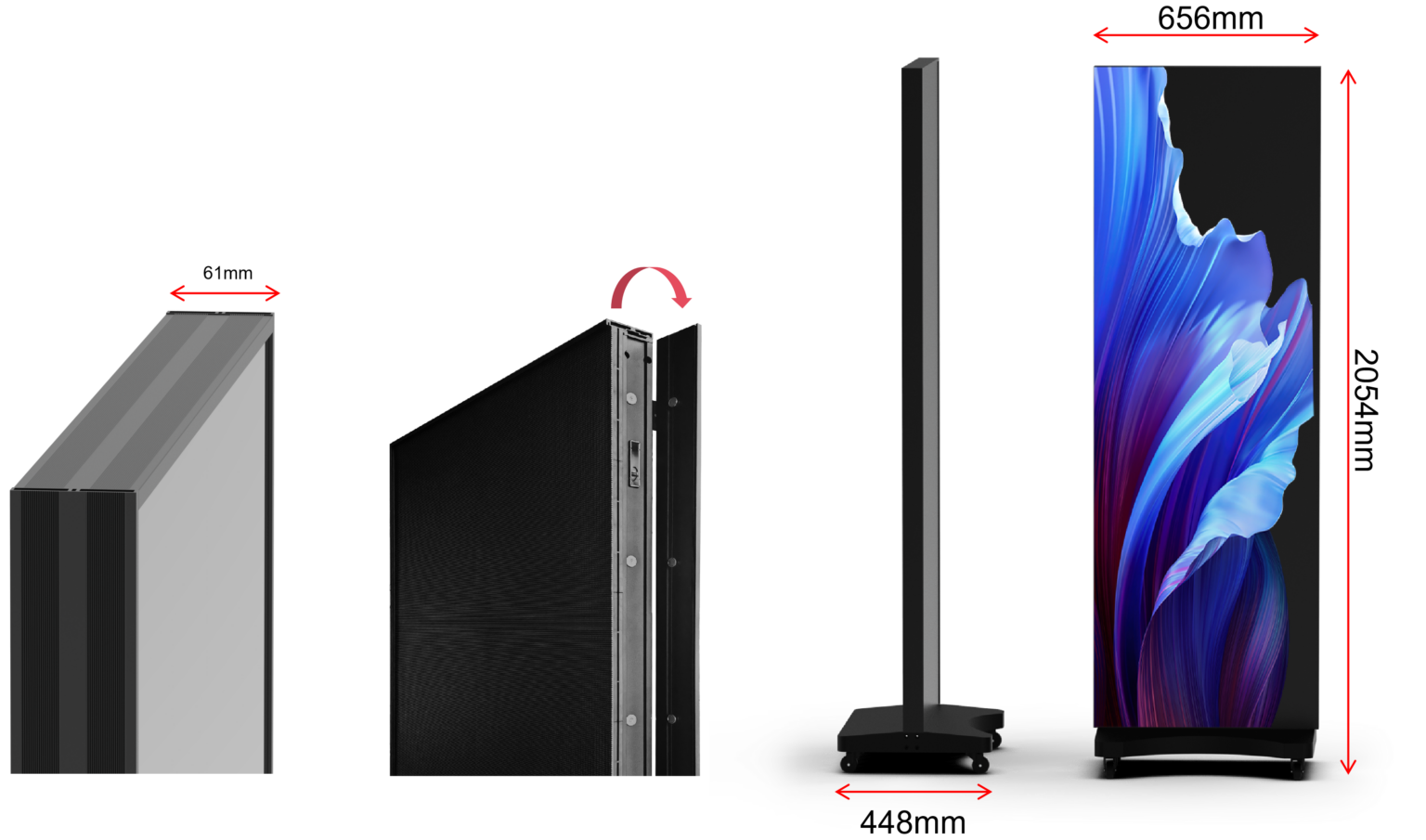
How the LED poster solves those exact pains
LED posters hit three concrete problems: visibility in mixed light, ongoing content control, and maintenance costs. They use higher brightness and better contrast so promo creative reads from across a concourse. Many models offer simple USB/wi‑fi uploads or cloud scheduling so staff don’t mess with file formats every morning. Choose models with serviceable panels and modular parts and you avoid the usual “throw it away” lifecycle. That’s the fix: swap long-term waste for predictable small-part servicing, fewer on-site visits and readable messaging that actually converts foot traffic.
Key technical choices and common buying mistakes
Buyers trip up on three fronts: pixel pitch, brightness rating, and input/management options. Pick too coarse a pixel pitch and text blurs when viewers stand close. Low nit ratings look fine indoors but vanish near windows. And cheap boxes with proprietary content stacks lock you in — a nightmare when you want to switch suppliers. Ask for native resolution, peak nits, and whether the unit supports standard media formats or has an open CMS API. Avoid “lowest price” offers that skip reliable power supplies and service warranties; those always cost more over two years.
Alternatives worth considering — and when they beat LED posters
LCD digital posters still make sense where viewing distances are short and ambient light is controlled. Printed posters win when you need very cheap, disposable promos. Full LED walls remain best when immersive motion and size drive the campaign. Choose an LED poster when you need a balance: daylight visibility, compact placement, and dynamic scheduling. If your site has direct sunlight all day, grade up the brightness spec; if it’s primarily a windowless interior, you can save by choosing a lower nit model and better colour calibration.
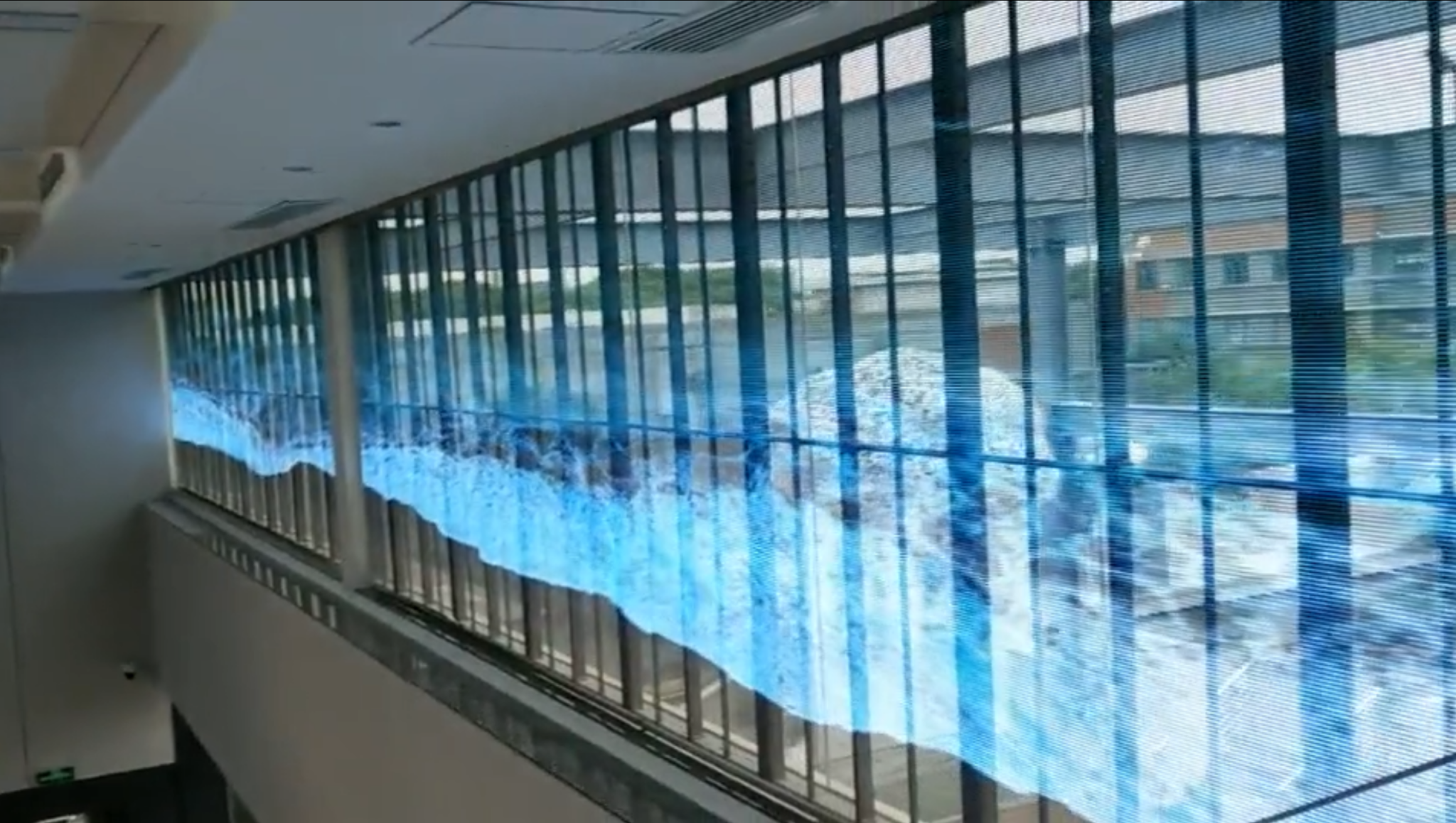
Experience, evidence and one solid real-world anchor
I’ve specified displays for shopping centres and pop-up activations and seen what fails: unknown suppliers, poor support, and unclear warranty strings. The smart rollouts at Sandton City shopping centre in Johannesburg showed how focused specs and trained ops crews reduce downtime and boost campaign impressions — that project highlighted the value of clearly documented maintenance and standard-format media. For comparable hardware and proven use-cases, search for led poster video display that lists pixel pitch and nit output up front; those specs separate robust systems from the lookalikes.
The practical summary and a simple way forward
Decide on intended distance and light, insist on readable spec sheets, and demand replaceable modules and clear warranty terms. Don’t overpay for features you’ll never use; don’t cheap out on parts that fail first. If you want a sensible, serviceable route to clear, bright in-store messaging that doesn’t waste space or staff time, consider how a tested partner can match spec to site — HDC presents a pragmatic range that tends to fit those needs without fuss.
