
Why a head-to-head matters right now
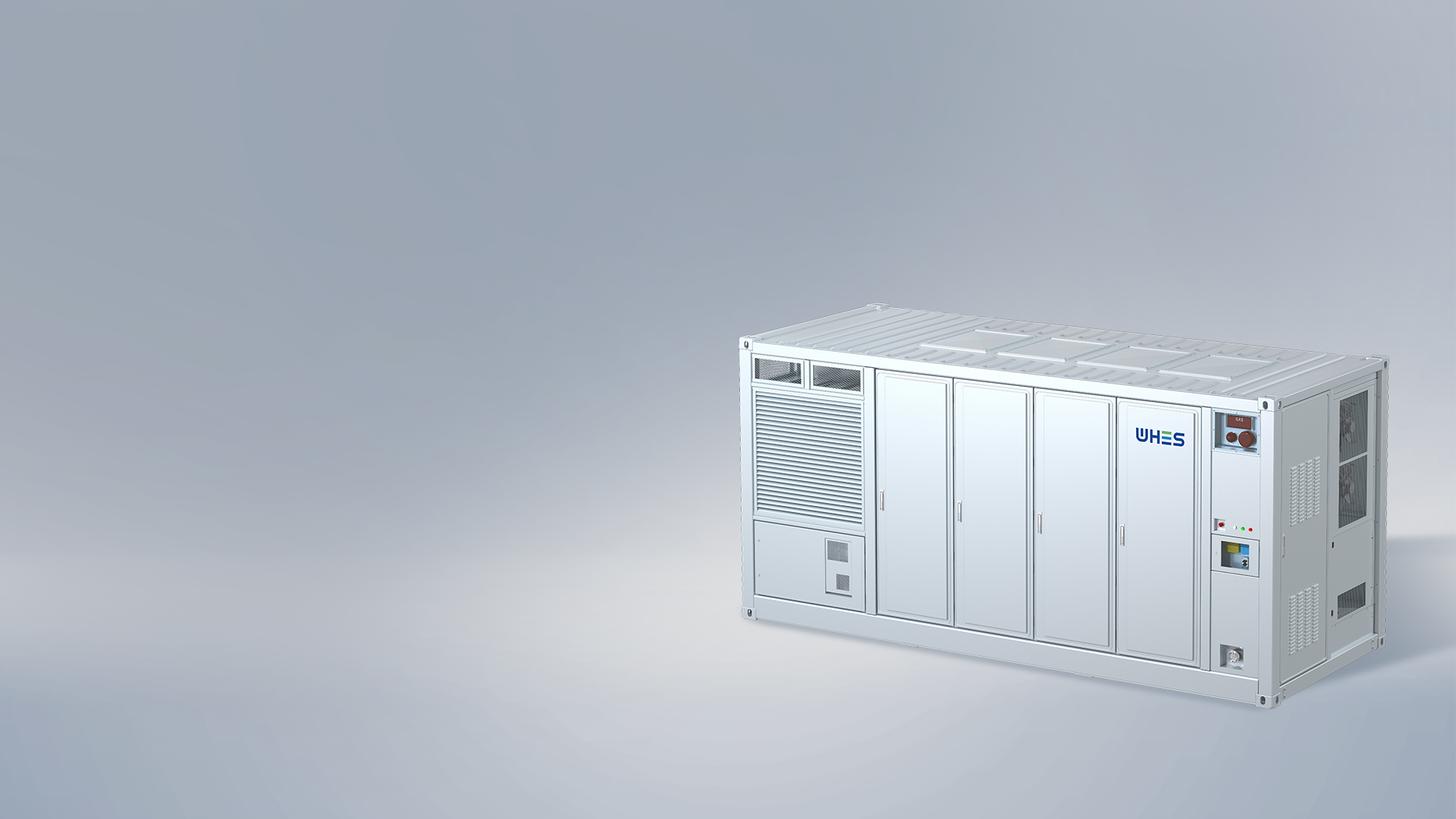
Grids are changing fast — and decisions that used to favor gas peaker plants don’t automatically hold up. This comparative look pits modern high-voltage Li‑ion systems against legacy gas peakers to show where value actually sits. If you’re sizing capacity for midday solar ramps or evening demand spikes, the math increasingly favors utility scale battery storage that can deliver instant power, precise dispatch, and cleaner operations. The question isn’t just who turns the lights on — it’s who does it faster, cheaper over time, and with less environmental friction.
Performance: speed, accuracy, and grid services
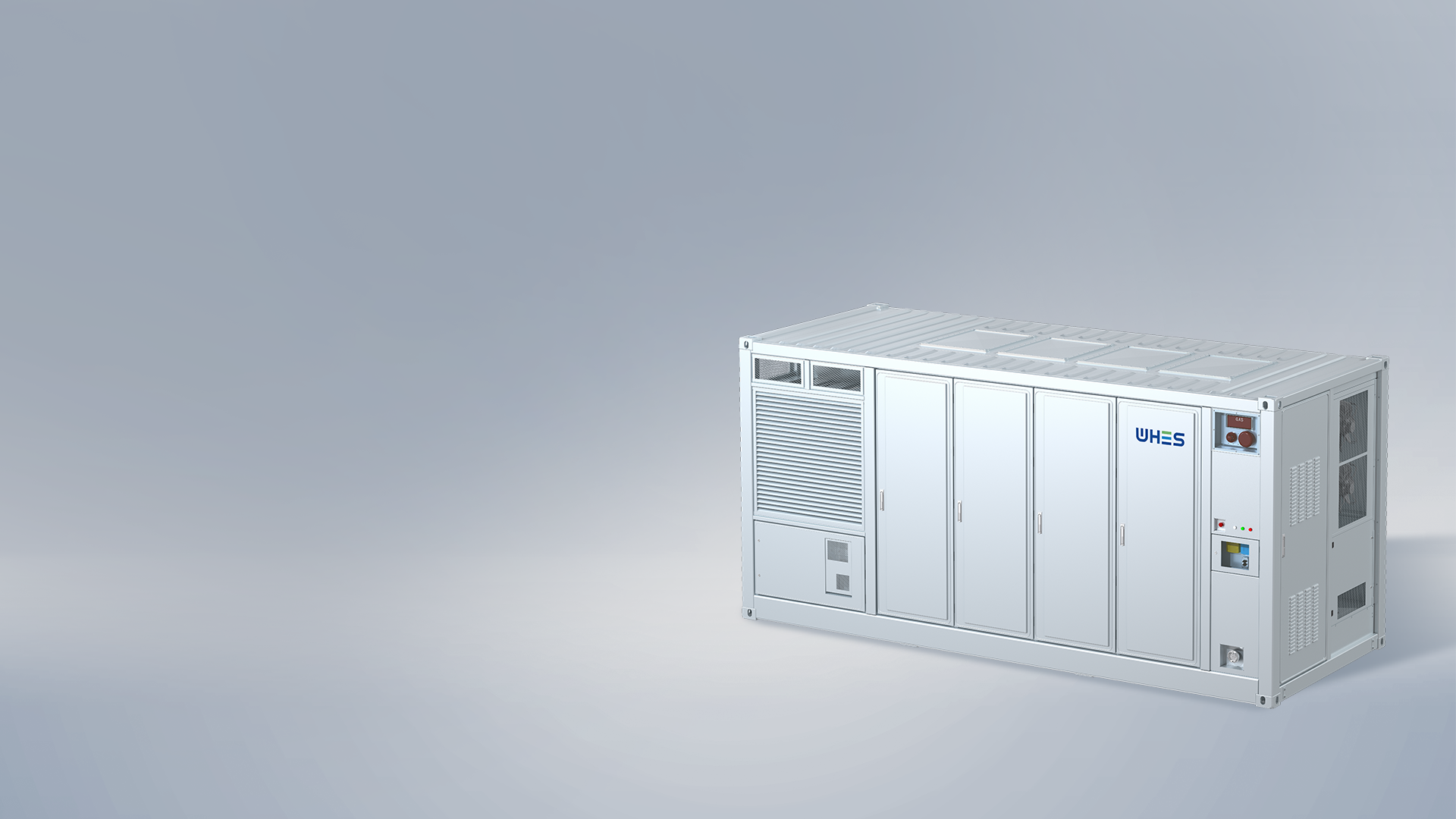
Gas peaker plants bring thermal inertia and long startup times; batteries bring near-instantaneous response and predictable dispatch. A high-voltage Li‑ion system excels in fast frequency response and peak shaving because its ramp rate is effectively immediate. That means better handling of sudden drops in generation or spikes in load, and it reduces reliance on fuel-based spinning reserve. Round-trip efficiency and state of charge management matter here — batteries typically return a much higher fraction of stored energy to the grid than a thermal peaker can convert from fuel to electricity.
Economics: comparing total cost, not just sticker price
On an apples-to-oranges basis, gas peakers can look cheaper per MW of nameplate capacity. But total cost of ownership flips the script: fuel costs, startup fuel inefficiencies, maintenance on turbines, emissions compliance, and capex amortization for plant upgrades all add up. High-voltage Li‑ion systems reduce variable costs (no fuel) and lower O&M overhead. When you factor in revenue streams — capacity markets, frequency regulation, and arbitrage — batteries often recover capital faster. In short: think levelized cost of storage, not just overnight build cost.
Reliability, lifecycle, and maintenance realities
Legacy peakers require lots of hot-standby care: periodic start tests, turbine overhauls, and a steady supply chain for parts and fuel. Batteries shift that profile toward predictive maintenance, inverter firmware, and thermal management systems. Mean time between service windows is improving with battery BMS (battery management system) sophistication, and lifecycle degradation is now well-modeled — operators can schedule capacity fade planning into procurement. The net effect: fewer unplanned outages and more predictable availability during critical peaks.
Grid benefits and environmental impact
Batteries reduce combustion-related emissions and local air pollution immediately at the point of displacement. They also enable higher renewable penetration by smoothing variability from wind and solar and providing firming services. That’s crucial in regions wrestling with the “duck curve” and evening ramps — a pattern seen in California and other high-solar grids. Meanwhile, gas peakers still emit CO2 and NOx during operation and often run inefficiently at partial load. The environmental ledger increasingly favors storage.
Real-world anchor: lessons from major deployments
Look at deployments such as the Hornsdale Power Reserve in South Australia and numerous California battery procurements: operators replaced or deferred gas capacity with batteries and gained faster response plus lucrative ancillary revenue. During heatwaves and rapid renewable swings, batteries delivered frequency regulation and capacity that traditionally required thermal units. Those outcomes are high-level but widely observed across grid-scale projects, and they underline how dispatchable energy storage and smart controls reshape grid economics.
Common misconceptions — and the practical rebuttals
Myth: batteries can’t provide long-duration peaking. Truth: for many peak windows (3–6 hours or shorter), a high-voltage Li‑ion array is competitive and often superior when you include start times and ramp flexibility. Myth: batteries are too expensive to scale. Truth: falling cell costs, modular architecture, and revenue stacking have materially improved the business case. Don’t confuse single-metric comparisons with system-level value — that’s the pitfall most planners fall into.
Also — lifecycle recycling and second-life use are evolving fast, so the environmental argument keeps strengthening.
How to evaluate options: three golden rules
1) Measure services, not just capacity: prioritize ramp capability, round-trip efficiency, and ancillary revenue potential over raw MW nameplate. 2) Compare real operating profiles: model start-up delays, fuel logistics, and partial-load efficiency for gas; model degradation, depth-of-discharge cycles, and inverter constraints for batteries. 3) Stress-test for extremes: simulate prolonged heatwaves, unexpected generator outages, and market volatility to see which asset preserves reliability with lower marginal cost.
Final assessment and how WHES fits
For most modern grid requirements — rapid contingency response, frequent cycling, and revenue stacking — high-voltage Li‑ion solutions provide a superior mix of speed, efficiency, and lifecycle economics. When you layer in modular design and advanced controls, they become not just a replacement but an upgrade to how grids are balanced. That’s exactly the role that advanced grid scale energy storage systems are built to play: predictable dispatch, lower operating complexity, and cleaner outcomes.
Three practical metrics to carry to procurement: effective round-trip efficiency, dispatchable capacity during your critical peak window, and demonstrated ramp/rate response in live operations. Use those, and you’ll see whether an asset is genuinely fit for purpose.
WHES brings the engineering and track record that closes the gap between promise and on-the-ground performance. Trust the systems that earn their keep under stress — and then make them part of your grid plan. —