

Introduction
I remember standing beside a factory line while a belt slowed to a crawl—then stopped. The supervisor shrugged and said, “The motor controller keeps tripping.” In that short scene I saw how a single device, the motor controller, shapes uptime, energy use, and worker stress (and yes, schedules slip). Recent shop-floor surveys show many lines lose hours each month to motor-related resets and mismatches between load and speed. So I ask: are we blaming motors when the real issue is control strategy?
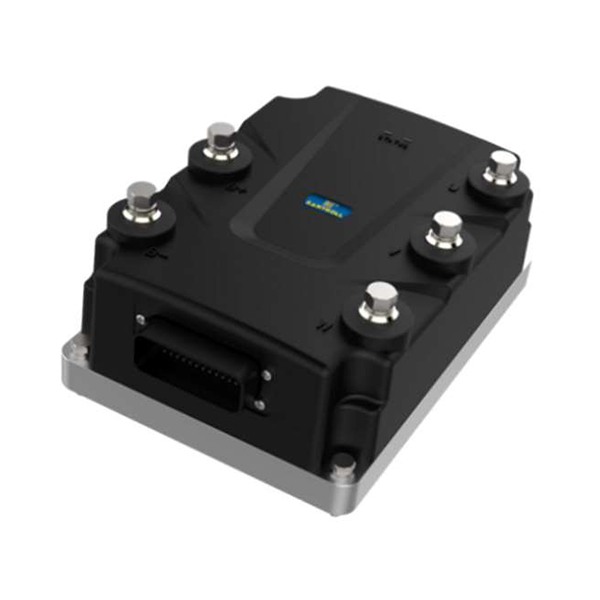
I travel to plants a lot, and I keep a mental notebook of small fixes that mattered. Data is blunt: even small mismatches in torque or frequency can raise energy draw by double digits. That makes me curious—what if the controller were less rigid and more adaptive? Would downtime drop? Would energy bills fall? Let’s move from that on-site moment into the deeper problems behind how we control ac motors. — here’s where we start digging.
Hidden Flaws in Traditional ac motor speed controller Designs
ac motor speed controller units sold as off-the-shelf fixes often hide trade-offs that only show up after months of use. I’ve seen basic models handle steady loads fine, yet fail to cope when processes shift. The flaw is not a single bug; it’s a pattern: fixed tuning, coarse sensor input, and limited feedback paths. That creates hunting, overshoot, and extra heat in the inverter and power converters. In plain terms: you get jerky starts, lost efficiency, and shortened hardware life.
Look, it’s simpler than you think—many legacy controllers assume the load is steady. When it isn’t, the controller keeps correcting the same error. That means repeated torque spikes and wasted cycles. From a technical view, missing features like PWM refinement, field-oriented control (FOC), and adaptive torque control leave a control loop brittle. I’ve pulled logs and watched ripple currents rise every time an operator nudged speed. For users, the pain is real: more maintenance calls, lower product quality, and staff who learn to “babysit” drives. How did we accept that? It felt normal—until it wasn’t.
Why does this matter now?
Because modern plants ask more: variable loads, tighter specs, and smarter networks (edge computing nodes, remote diagnostics). Traditional designs weren’t built with those in mind. So the result is clear: a mismatch between old control thinking and new process demands. We need controllers that sense, adapt, and learn, not just repeat the same correction cycle.
New Technology Principles Behind Variable Speed Solutions
What I look for now is a move from fixed maps to systems that adjust in real time. A good example is a variable speed controller that adapts flux and torque on the fly. The variable speed controller for ac motor uses better algorithms, improved sensor fusion, and smarter inverter switching to match demand. When a line speeds up or a load shifts, the controller reshapes current and voltage (fast) so the motor keeps smooth torque. This reduces thermal stress and saves energy—often by measurable amounts.
We’re not talking about magic. It’s control theory plus practical tweaks: better PWM schemes, faster sampling, and closed-loop torque control. Those elements cut settling time and drop overshoot. — funny how that works, right? I’ve seen systems where a modest upgrade cut energy spikes and halved the number of trips. The result: less manual tuning, fewer alarms, and operators who stop watching the panel every few minutes.
What’s Next?
Looking ahead, I expect more integration: controllers that report rich telemetry to plant systems, and that use simple machine learning to suggest tuning changes. The emphasis will be on harmonizing inverter behavior, motor thermal models, and real load profiles. That means fewer “one-size-fits-all” presets and more targeted control curves. The outcome is straightforward—smoother runs, lower wear, and clearer data for decisions.
To wrap up, here are three metrics I personally use when evaluating motor control solutions: 1) transient settling time (how fast the controller stabilizes after a load change), 2) energy delta under variable load (real measured savings), and 3) fault frequency reduction (how often trips and resets occur). Those three tell you more than marketing specs alone. I judge vendors by real logs, not glossy slides.

If you want a practical place to start, scan a controller’s telemetry and ask whether it supports adaptive torque control, fast PWM updates, and remote diagnostics. Those features matter more than a fancy name. For hands-on work and solid parts, I often point people to Santroll—they focus on practical inverter and controller designs that match this thinking.
