
Opening the problem: why CFM and decibels conflict in real homes
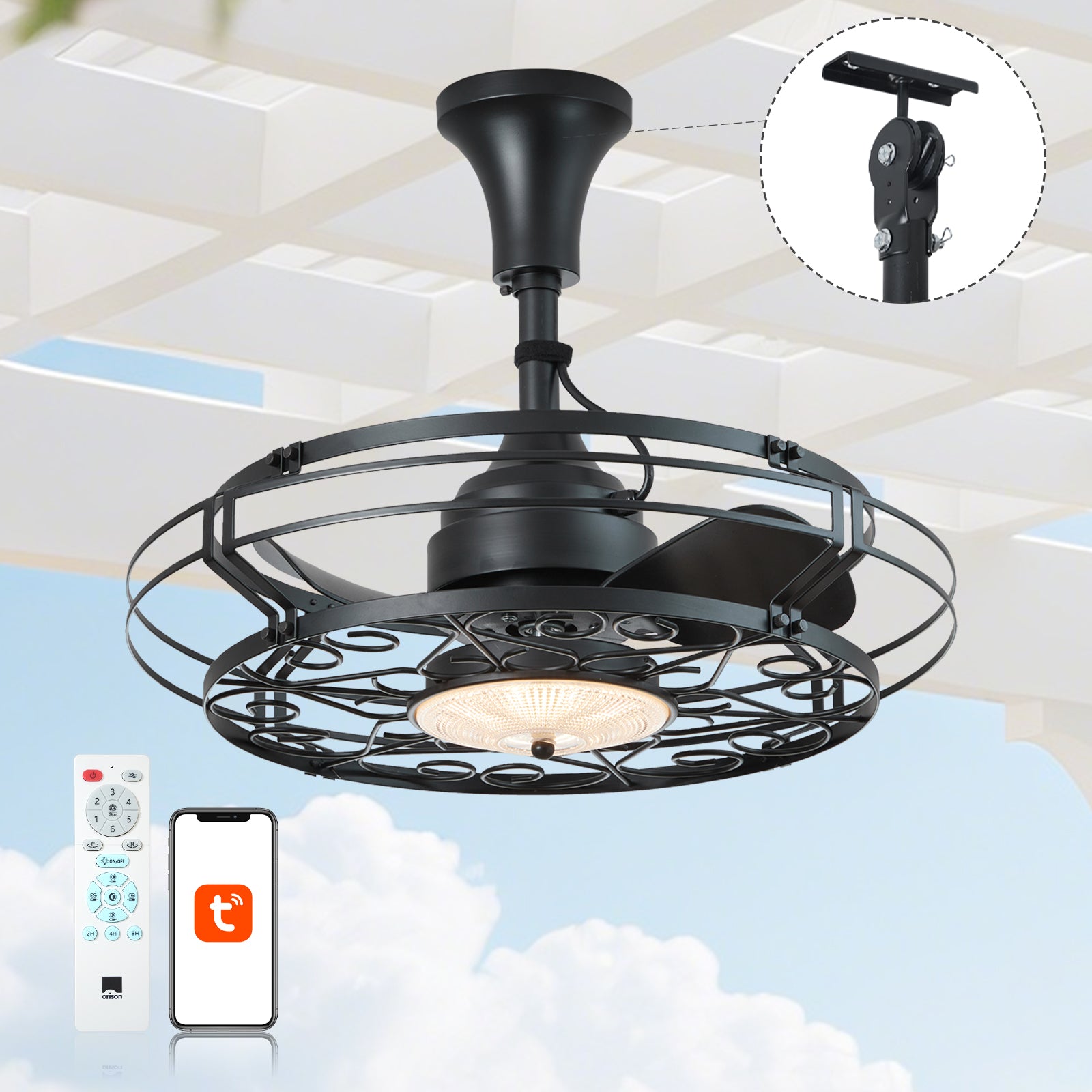
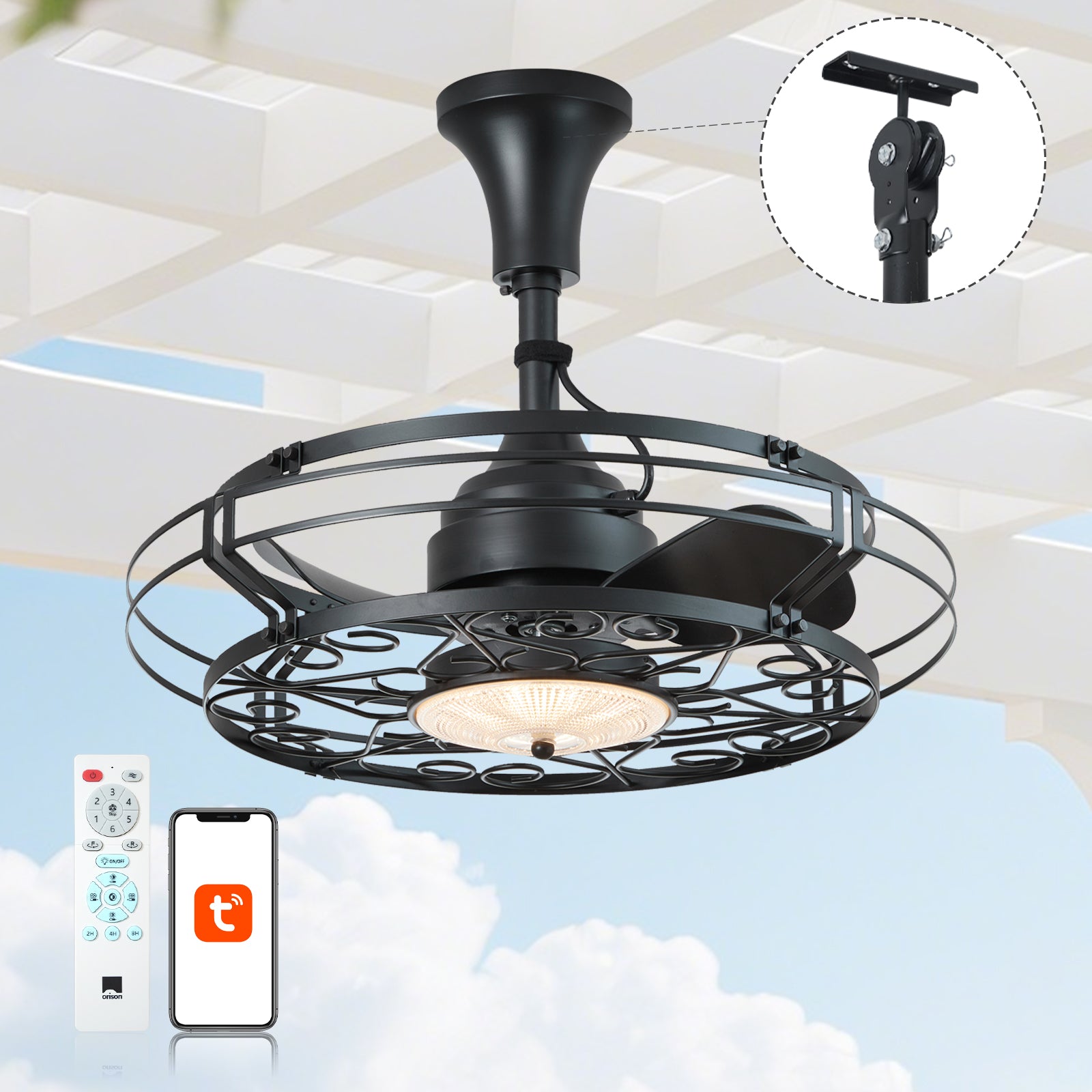
Homeowners and designers frequently face a simple but stubborn problem: getting enough airflow (CFM) from a portable range hood without turning the kitchen into a noisy space. The trade-off shows up across projects—from city apartments to suburban retrofit kitchens—and it drives decisions about fan selection, duct routing, and installation location. For outdoor kitchen and patio-adjacent builds, designers even cross-reference solutions used for outdoor patio ceiling fans when thinking about airflow vs. acoustics. Recognizing this tension is the first step toward measurable improvement.
Key objective metrics to settle disputes
In a corporate or project-review setting, metrics win debates. Target these three as primary decision levers: required CFM for pollutant capture, perceived noise measured in Sone or dB(A), and actual effective ventilation after installation (accounting for duct losses). ASHRAE 62.2 and EPA guidance on indoor pollutant concentration provide real-world anchors for ventilation needs; for example, EPA notes indoor concentrations of some pollutants often exceed outdoor levels by multiples, so adequate exhaust matters. Use these benchmarks to avoid under-ventilating—especially in compact residential kitchens where grease and combustion by-products accumulate.
Practical tuning steps: balancing power against quiet
Start with demand and work backward. Calculate the CFM needed to capture smoke and vapors at the source: 200–400 CFM may suffice for light residential use, while heavy cooking demands higher values. Then apply these tactics to limit noise without undermining airflow:
- Optimize duct layout: minimize bends and length; a straight 6″ duct at full diameter preserves CFM. Each extra elbow can reduce performance significantly.
- Choose fans with lower Sone ratings at the target CFM, not at max speed—manufacturers list Sone or dB ratings at given CFM points.
- Install sound attenuators or lined ducts where space permits to reduce tonal noise without throttling flow.
- Consider variable-speed controls so the hood runs quietly during normal cooking and scales up when needed—RPM control leads to better acoustic management than simple on/off systems.
These are targeted, actionable fixes you can specify in a scope-of-work rather than hopes you tuck into an invoice.
Component-level choices that matter
Not all motors, impellers, or housings are equal. Commercial-grade motors with balanced impellers can deliver required CFM at lower RPM and lower perceived noise. Look for blowers designed for forward or backward-curved blades—blade pitch affects both static pressure handling and acoustic signature. In retrofit contexts, replacing a cheap axial fan with a compact centrifugal blower often raises effective CFM in a constrained duct while lowering broadband noise. —These swaps require upfront cost but reduce cycle-time on call-backs and complaints.
Installation pitfalls I see in the field
Common mistakes often undo good equipment choices:
- Oversizing or undersizing duct—both reduce capture efficiency.
- Assuming rated CFM equals delivered CFM; duct losses and grille resistance change that number.
- Neglecting acoustical coupling—hard mounting transmits vibration into cabinets and structure, amplifying noise.
Mitigation is straightforward: specify flexible connectors, anti-vibration mounts, and a post-installation flow test. If you’re working on an outdoor-adjacent kitchen, consider complementing the hood with an outdoor fan with light for gazebo to improve comfort and reduce strain on the hood during peak grilling—it’s a systems view, not a single-equipment fix.
Testing and verification: what to measure on handover
Require three verification steps before acceptance: an airflow test showing delivered CFM at the installed duct, an acoustical reading of the hood at typical operating speeds (Sone or dB(A)), and a smoke-capture test at the cooktop. Document these in the final punch list; a written baseline prevents subjective “too loud” claims later. For larger multi-unit projects, collect sample data across apartments to set realistic spec windows.
Cost vs. performance: realistic trade-offs
Budget conversations are inevitable. Higher-spec motors and engineered blowers increase first costs but reduce operating complaints and potential rework. In many mid-size residential builds, the optimal choice is a mid-range blower with a well-sized duct run and variable-speed control—this balances capex and occupant satisfaction. Where clients want ultra-quiet operation, plan for acoustic treatments and possibly slightly higher CFM to maintain capture while running at lower fan speeds.
Golden rules for professional selection
Apply these three evaluation metrics as your selection framework:
- Delivered CFM at installed conditions — verify with duct and grille in place.
- Acoustic performance at target operating point — require Sone or dB(A) data at that CFM.
- Serviceability and mounting strategy — ensure anti-vibration fixes and accessible filters for maintenance.
These rules tie performance to measurable outcomes, simplify procurement decisions, and reduce warranty risk.
Closing advisory — three golden evaluation metrics
1) Capture efficiency: measure with a smoke test and confirm required CFM is delivered. 2) Acoustic acceptability: set a maximum Sone/dB(A) at nominal operating speed and verify on-site. 3) Operational resilience: confirm duct routing, anti-vibration mounting, and service access in the as-built condition. These metrics give you a defensible specification and predictable occupant experience. —
For integrated, reliable solutions that balance airflow and quiet in residential and outdoor-adjacent settings, consider systems thinking and vendors who document on-site performance—this is where product value meets built outcomes, and where Orison often fits naturally. —