
Own the Drop: Why Timing Still Breaks Great Shows
Own the moment, or the moment owns you. Stage Laser Lights can thrill a room in one beat or miss it by a blink. Picture the drop: the crowd holds its breath, but your cues land late by a split second—energy spills, not snaps. In recent audits, crews reported timing errors of 120–200 ms during complex scenes, and those slips cut engagement fast. So, what if you could lock every cue to tempo, to space, to mood, and never chase the beat again? (Yes, even when the setlist changes.) Your show needs precision, repeatability, and safety, all at once. That is the bar.
Here’s the good news. You do not need a larger rig. You need a smarter one—one that speaks timecode, holds sync, and guards the audience by design. Ready to stress less and hit harder? Let’s move into what holds most teams back and how to fix it.
The Deeper Problem: Legacy Control Holds You Back
Why do old-school rigs miss the moment?
Let’s talk systems, not hype. Many teams still run legacy DMX512 chases for lasers, while relying on separate consoles for movers and video. That split adds latency, drift, and guesswork. With programmable stage lights, you unify cues, timecode, and safety zones under one brain. Look, it’s simpler than you think. The core issue is signal path. Each hop—console to node, node to DAC, DAC to scanners—adds delay. Older ILDA lines, slow galvanometer scanners, and unstable power converters amplify jitter. When your beam divergence changes under heat, your safe zones shift too. You get soft edges, missed hits, and sometimes, shaky compliance.
Traditional fixes pile on work: more rehearsals, tighter operators, bigger buffers. That does not scale. The better path is deterministic control. You want phase-locked BPM, per-fixture latency under 20 ms, and a console that maps zones with live feedback. Duty cycle management keeps scanners cool. Real-time monitoring flags overscan before it becomes a hazard. And yes, robust heat sinks and an IP54 or higher rating keep you running after fog-heavy sets. This is about control topology and feedback loops, not just brighter beams.
Looking Ahead: Smarter Cores, Safer Beams, Faster Sync
What’s Next
From here, think principles, not parts. New engines blend show control with microsecond timing, so cues snap to SMPTE or Ableton Link without drift. Local processors act like edge computing nodes near the fixtures, cutting network hops. That means tighter color modulation, cleaner fades, and safer audience scanning—funny how that works, right? When you spec laser lights for stage, ask for scanner speed at rated angle (e.g., 30–40 kpps at 8°), not just headline numbers. Verify hardware shutter response and watchdog failsafes. Match your zones to venue geometry and log it. Then lock cues to time, not luck.
We also see a shift to comparative clarity: one integrated control path versus three patched chains. The first wins in rehearsal time, repeatability, and safety margin. Semi-formal truth: fewer layers, fewer surprises. Add PWM dimming on allied fixtures, beam shaping presets, and calibrated color space for smooth blends with video walls. You get shows that hit hard and land safe—every night, every venue. To choose well, measure, do not guess. Advisory close: use these three checks. 1) Sync accuracy under 20 ms from console to aperture. 2) Scanner performance documented at working angle, plus thermal stability over a full set. 3) Safety stack with defined MPE limits, zone mapping tools, and emergency shutter behavior tested live. When those boxes are ticked, your rig is ready to tour—and to grow.
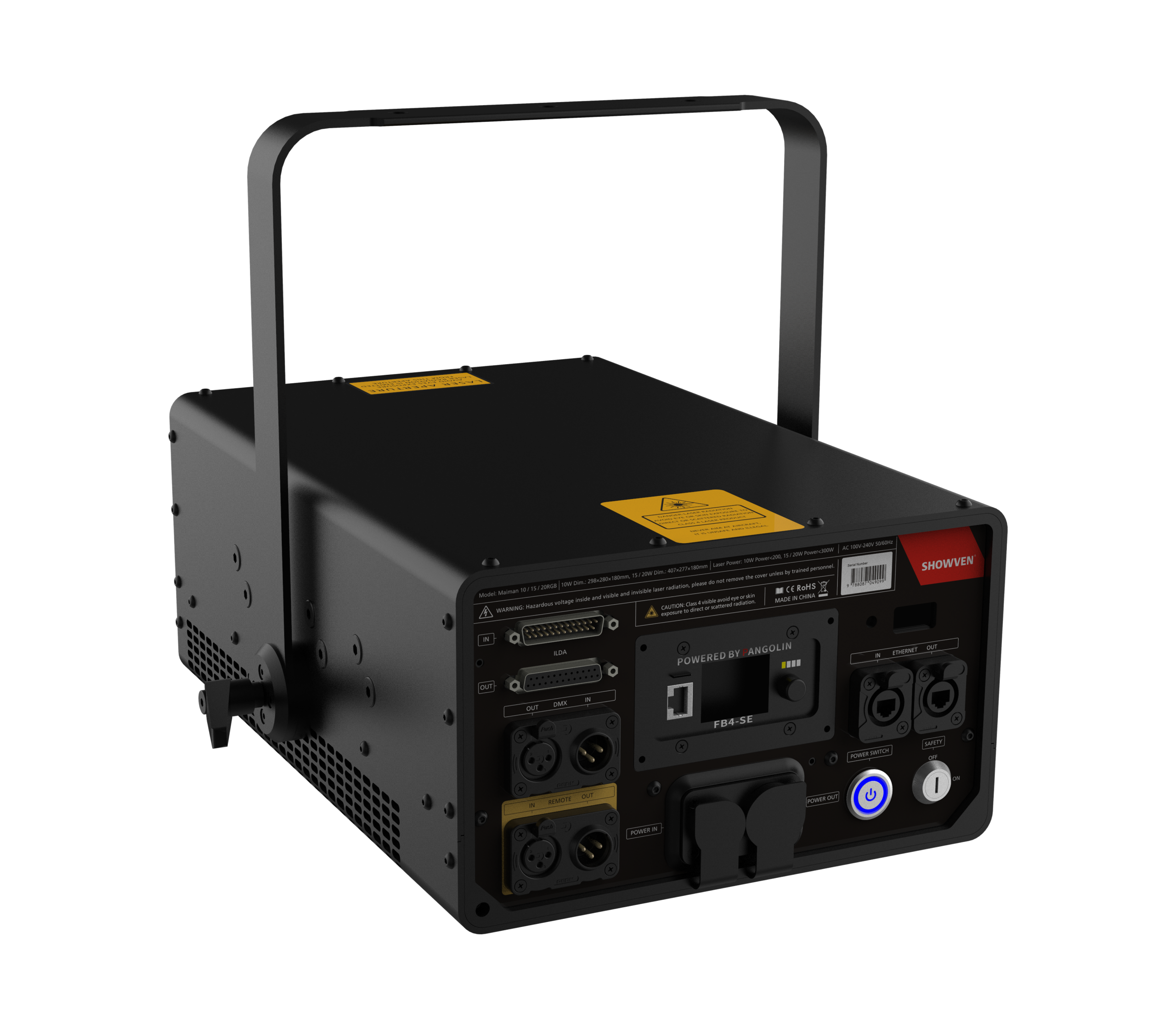
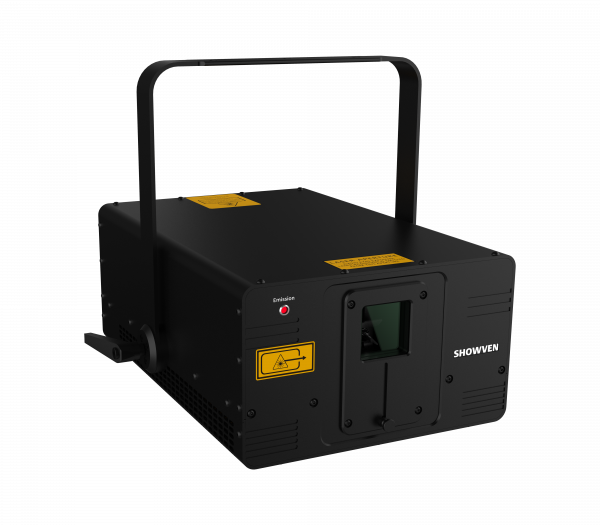
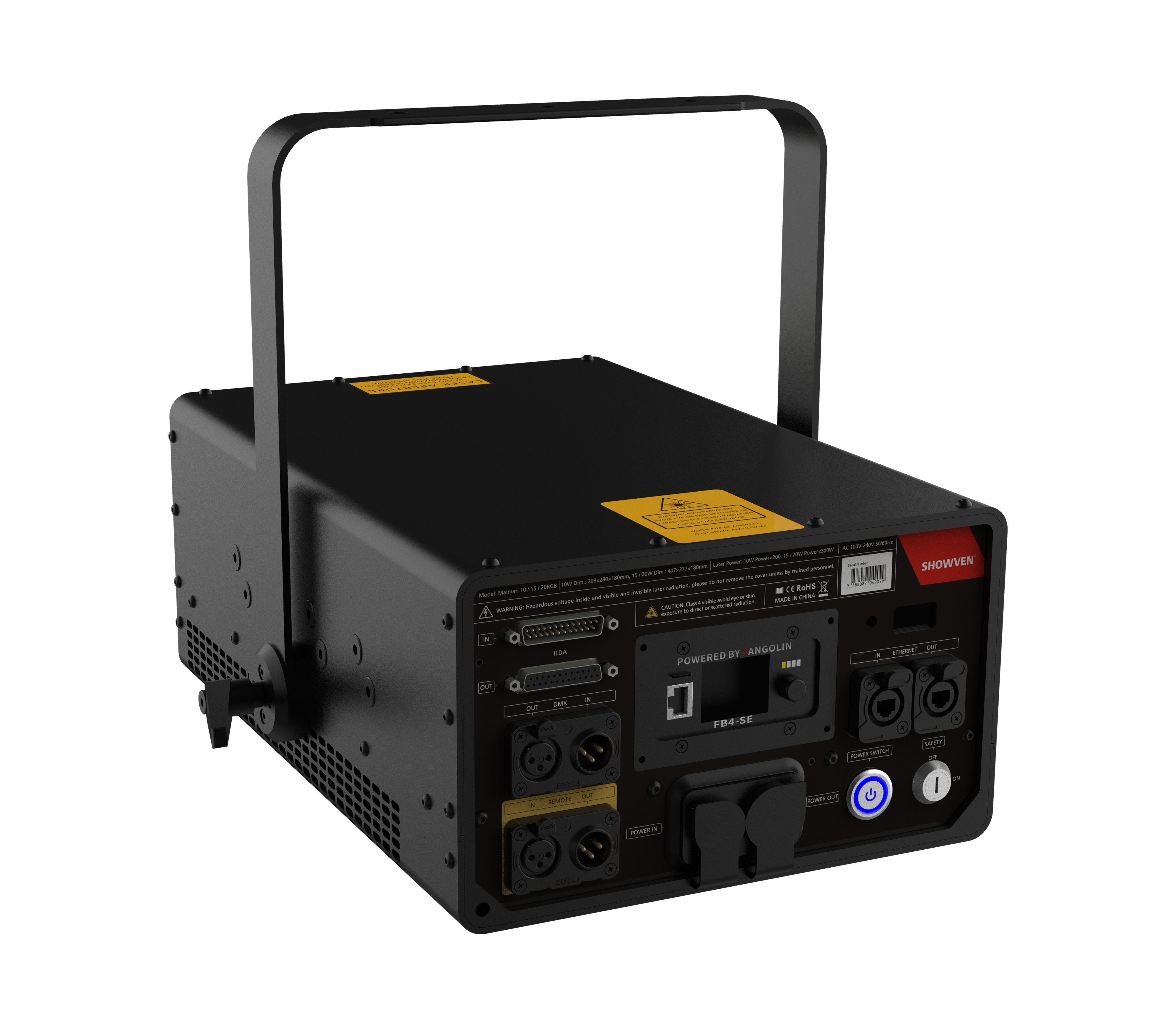
Keep pushing, keep refining, and let the system work as hard as you do. For reliable engineering and deep-dive specs, see Showven Laser.