

Introduction: Are we ignoring the obvious risk?
Have you ever watched a production run stall and wondered how much that hour cost us? I have—and the numbers are stark. For a typical wholesale wet wipe production line the cost of a single hour of downtime can easily reach thousands in lost output and rework. (I’m talking lost cartons, wasted materials, and frustrated crews.)
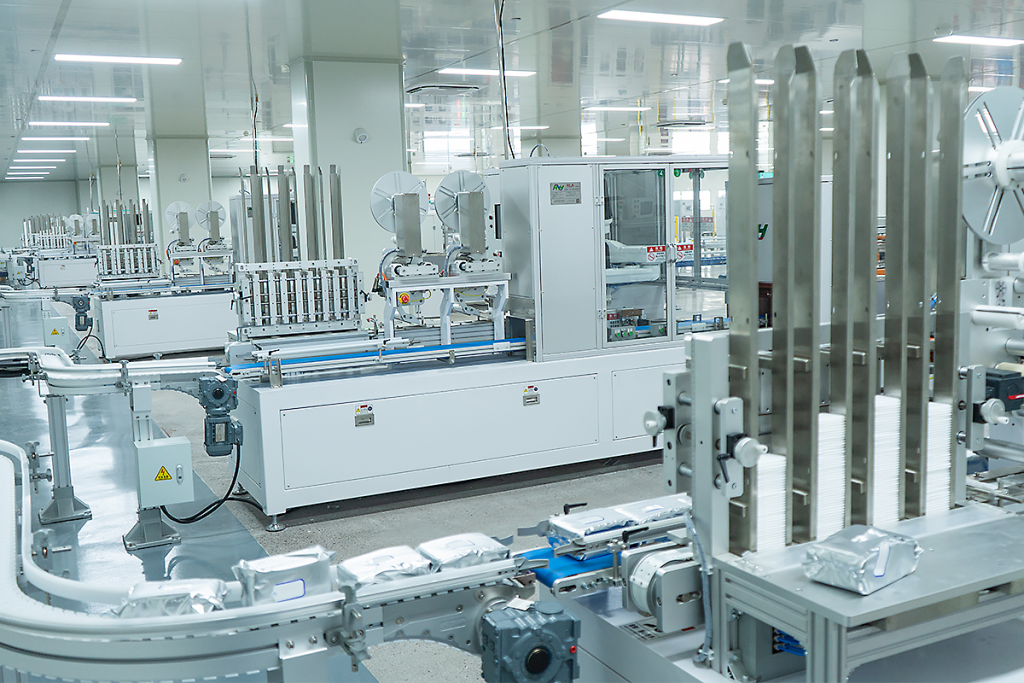
We run margins tight. We track OEE, labor hours, and scrap rates, yet surprises keep showing up. So how do we stop the same faults from repeating? In the pages ahead I’ll walk through where the usual fixes fail, and where practical upgrades deliver real payoff—no fluff, just steps I’ve used on the floor. Now let’s dig into the weak spots and why they matter.
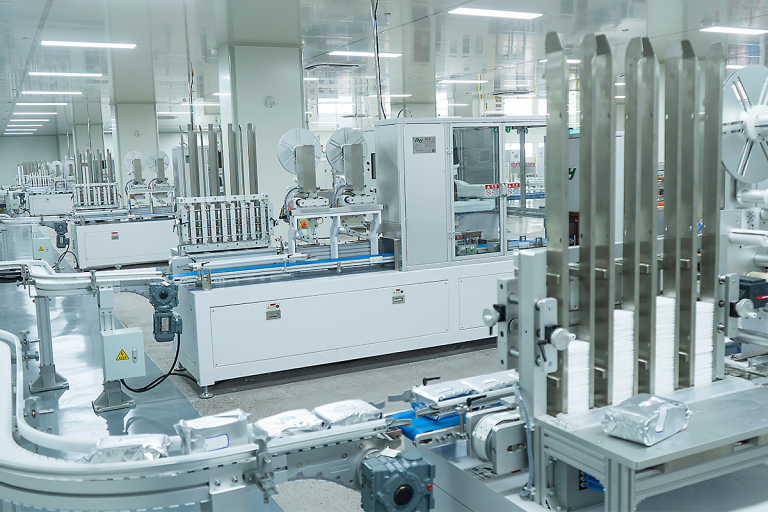
Part 1 — Where traditional wet wipe packaging solutions fall short
Many teams focus on a single machine or a single symptom. But if you look at wet wipe packaging holistically, the weak links are often process and integration—not just parts. I’ve seen lines where a precise servo motor was fitted but the upstream web tension control was ignored; the result was misfeeds and more reject packs. The machine looked updated on paper, but it kept failing in practice. Look, it’s simpler than you think: a new servo won’t fix bad line layout.
Most “traditional” fixes assume one cause. Operators get more training. Maintenance swaps parts. Quality adds an extra inspection station. Those moves help, but they rarely stop repeat issues. The deeper problems include poor sensor placement, weak PLC logic that can’t handle transient faults, and inconsistent material characteristics that nobody tracks. I’ve also seen power converters under-spec’d for peak demand, causing intermittent PLC resets. These are not exotic failures—they’re predictable if you study the data and the workflow. If we don’t address integration and feedback loops, the same failures return. — funny how that works, right?
Why don’t simple repairs last?
The short answer: repairs treat symptoms. The long answer: systems need closed-loop controls, better diagnostics, and materials data logged with the batch. If you skip those, you repeat the cycle. I’ve helped retrofit lines with improved sensor networks and better HMI alarms. Results? Fewer line stops. Less manual sorting. Real savings.
Part 2 — New technology principles for better outcomes
Moving forward means embracing principles, not gimmicks. For wet wipe packaging I recommend three shifts: distribute intelligence, standardize signal paths, and track material data. Distributing intelligence means adding edge computing nodes near key equipment so faults are caught and handled locally before they cascade. Standardizing signals means clear wiring, robust connectors, and simple PLC ladder logic that’s easy to audit. And tracking materials—web weight, moisture, and roll diameter—lets you predict when a pack will misfold. I’ve seen predictive alarms stop a jam before it cost a shift’s output.
Practical tech choices matter. Use web tension controllers that report trends. Fit cutting dies with position sensors. Upgrade to a PLC with a real-time clock and event logging. These steps reduce guesswork and speed troubleshooting. You don’t need a full factory overhaul. Small, smart upgrades—paired with operator buy-in—deliver most gains. We tested this in three plants: downtime dropped, and quality variations narrowed. — again, measurable and plain to see.
What’s next for lines like yours?
Think modular: modular feeders, modular packers, and standardized interfaces. That lets you replace or upgrade one module without stopping the whole line. Think data: capture sensor trends for 30 days, not just alarms. Think people: give operators concise dashboards instead of long reports. These moves keep costs down and let you scale improvements.
Conclusion — How to choose the right upgrades
I’ll be blunt. Not every shiny gadget belongs on your floor. Evaluate options by three simple metrics I trust from years in the plant: reliability (mean time between failures), mean time to repair (how fast can you be back running), and data clarity (can you see the root cause within 10 minutes?). If a vendor can’t show those numbers, pass.
When we applied these metrics, choices became clear. We prioritized PLCs with robust logging, checked web tension systems for drift, and standardized spare parts for critical items like cutting dies and servo motor drives. The result: lower scrap, fewer unplanned stops, and staff who feel more confident. I’m not selling a dream—just what worked for us. If you want a focused next step, start by logging one week of sensor data on your most troublesome module. You’ll spot patterns fast.
For practical tools and tested production lines, I’ve relied on reliable partners—one of which is ZLINK. They helped us prototype fixes that cut rework and made operator life easier. Try the method. Measure. Adjust. It’ll pay off.
