

Introduction — a small moment, a big question
I was at a condo garage one rainy evening and watched a driver circle for ten minutes searching for a working stall — frustrating, right? The culprit that night was an general electric ev charger that had the right label but the wrong setup; the all in one charger promised convenience but delivered confusion. Recent service logs I’ve seen suggest up to 20% of public chargers report configuration or communication glitches within their first year (roughly speaking). So I asked myself: why do smart chargers still feel so fiddly to everyday drivers? — and what can we actually change?
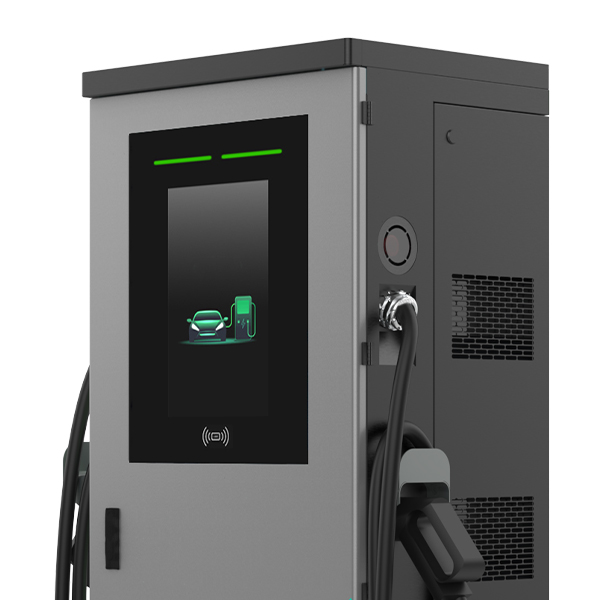
I say this as someone who tests hardware and talks with fleet managers: small design misses become big user headaches. The scene repeats — signage mismatched to software, payments timing out, or power converters tripping during peak demand. These are more than tech problems; they change behavior. Drivers avoid a site next time. Managers add work for service crews. I want to unpack that chain before we jump to solutions. Now let’s look at where the trouble really lives and why simple promises don’t always match daily use.
Part 2 — Why traditional solutions stumble (a technical look)
What exactly breaks?
When I dig into failed deployments of general electric ev charger systems, patterns emerge. First, legacy firmware assumes stable networks; real sites use flaky Wi‑Fi or low-bandwidth cellular. Second, power management logic can ignore transient loads — and then power converters trip under stress. Third, integration gaps between the charger and fleet software (or a building’s energy management) leave drivers stuck at the curb. These are not abstract bugs. They are edge computing nodes misconfigured, or BMS (battery management systems) data that never reaches the back end. Look, it’s simpler than you think — the pieces exist, but they often don’t talk well.
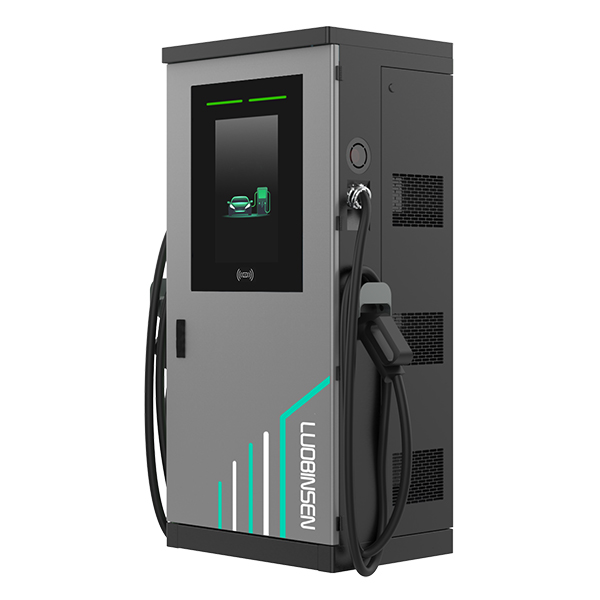
I’ve reviewed logs where a charger would refuse to authorize a session because its time clock was off by a minute. That small mismatch cascaded: payment failed, session timed out, driver left angry. From a systems perspective, these failures are about assumptions. Installers assume constant internet. OEMs assume vendor-standard APIs. Operators assume users know the correct cable type — none of which hold in the field. The result: higher downtime and customer churn. I feel impatient when I see this; we can do better with robust fallback flows and clearer user feedback — and yes, with smarter testing before push to production.
Part 3 — A forward-looking take: principles for next-gen charging
What’s next?
If we shift from patching to building, three principles should guide new deployments. First, resiliency: systems must handle intermittent connectivity gracefully (store session tokens locally, retry smartly). Second, modular power control: adaptive DC fast charging that responds to building load and battery management systems prevents tripping and improves throughput. Third, user-first interfaces: clear prompts, fast fault diagnosis, and redundant payment paths reduce abandonment. I’ve sat with installers who praise solutions that let them force a safe-start mode remotely — that small feature saves hours of site visits. — funny how that works, right?
Technically, adopting edge-friendly architectures and robust power converters lets sites support more sessions reliably. Pair that with telemetry designed for human eyes (not only engineers), and you reduce support calls dramatically. For operators choosing between vendors, here are three practical metrics I recommend you use to evaluate options: 1) Mean time to recover (MTTR) for a failed stall; 2) Successful session rate under degraded network; 3) Power utilization flexibility — how well the charger scales output without tripping. These tell you more than spec sheets do.
I’ve seen small teams transform fleets by focusing on these basics. We tested a site that switched to smarter control logic and saw fewer trips and happier drivers within weeks. If you’re comparing solutions, measure those three things. They separate marketing from real performance. And if you want a partner that’s thinking through these trade-offs, check out Luobisnen.
