

Introduction
One afternoon in our small job shop I watched a prototype come off a machine — and it hit me how much hinges on one choice: the 5-axis machine. Howzit: DMG Mori, Makino, Haas, Okuma and Hurco are the names folks talk about when they mean real capability, and roughly two-thirds of advanced shops I read about now use some form of 5-axis setup (that’s what the surveys suggest). So I ask: are you picking a machine that helps your team, or one that just looks impressive on the floor?
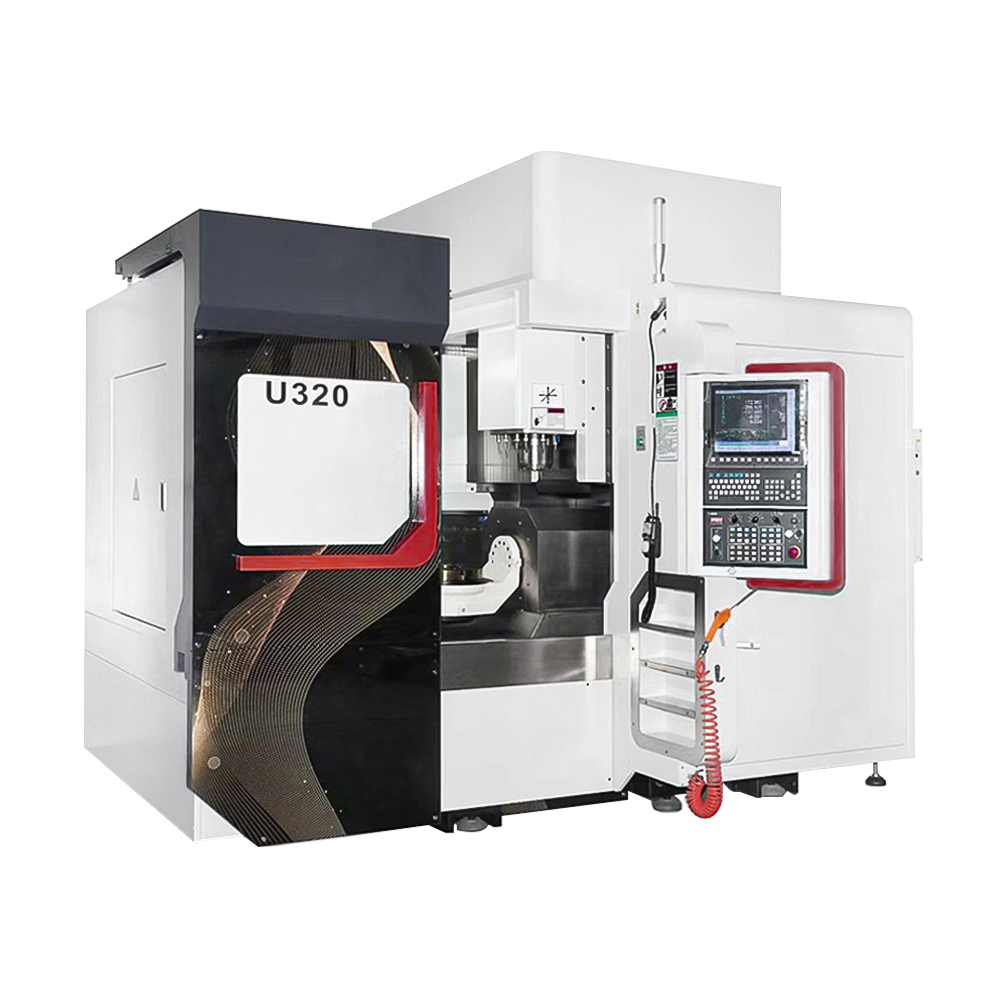
I say this because the numbers are quietly telling — shops that go 5-axis often cut setup time and reduce part count, which saves money. But the change isn’t just hardware; it’s people, CAM, and workflow. I’ll walk you through what matters from a user’s point of view, the things vendors don’t always shout about, and the simple checks I use when I’m sizing up a machine. Ready? Let’s get into the real details next.
Common Flaws and Hidden User Pain Points
simultaneous 5-axis machining center — sounds great on paper, right? Yet in practice I see two big problems show up again and again. First, kinematic calibration is often rushed or skipped. If the rotary axes aren’t properly mapped to the control, your toolpath accuracy goes sideways and so does your scrap rate. Second, CAM-post-controller mismatch: shops buy advanced CAM but stick with legacy post processors or sloppy G-code, and the machine never reaches its potential.
Why does this keep happening? Well, training and workflow are weak links. Folks assume the machine will “figure it out” — nope. Toolpath strategies, spindle speed optimization, and proper fixture design matter. Look, it’s simpler than you think: fix the setup and your cycle time and surface finish improve fast. I also notice overheating and thermal drift creep into long runs when spindle cooling and servo drives aren’t tuned. These are the hidden pains: not glamorous, but they bite your uptime and margins — funny how that works, right?
Why do these flaws persist?
I blame three things: rushed commissioning, poor CAM-post integration, and under-investment in training. We can patch some issues with better kinematic checks and by insisting on proper tool offset routines. But ultimately you need the people and processes — not just a glossy spec sheet.
Moving Forward: New Principles and Practical Choices
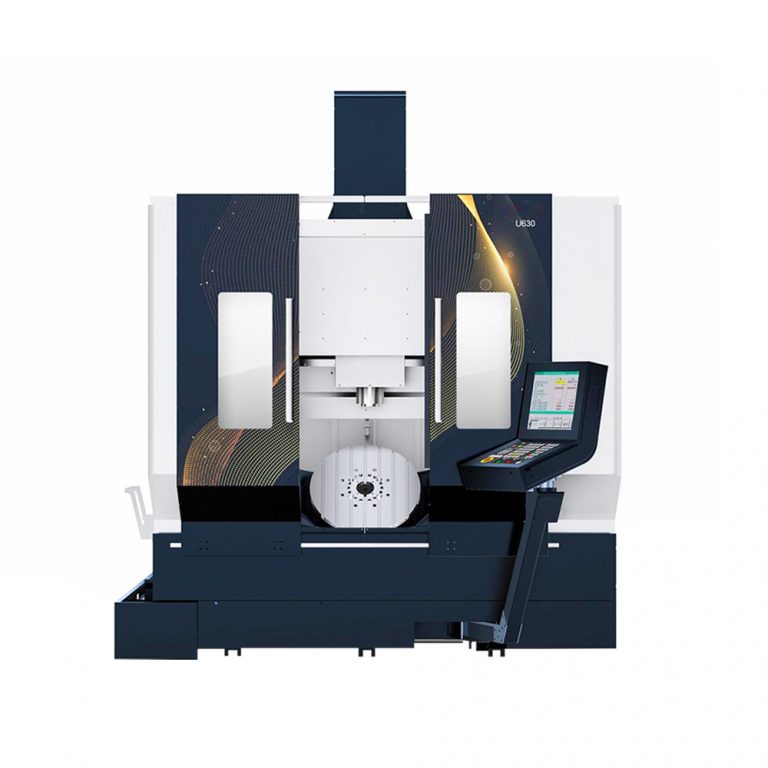
Let’s talk solutions. When I look to the future I judge new systems by principles, not promises. First: open, maintainable kinematics — you must be able to validate and update the machine model. Second: tight CAM-to-control workflow — your post processor needs to speak the machine’s dialect well. Third: real-service support, on calibration and spindle tuning. If a seller can show me a case where a 5 axis machine center reduced setup by half and cut part count, I pay attention (data, real examples).
What’s next? Real-time monitoring, smarter toolpath generation, and better interfaces so operators can diagnose issues quickly. The term “edge computing nodes” pops up — and yes, some shops are already using local monitoring to catch thermal drift and vibration before a batch goes bad. We should also look at power converters and spindle cooling systems — small things that yield big uptime gains. If you’re choosing a 5 axis machine center, test for actual repeatability, ask for a demo with your parts, and check the post-processor output carefully. Three quick metrics I use: true positional repeatability, CAM-to-controller fidelity, and mean time between failures. Those tell you more than top speed numbers ever will.
What to measure?
Measure cycle-time stability, setup reduction, and scrap rate. Those three paint the clearest picture of ROI — and they force vendors to be honest.
Closing Thoughts
I’ve seen shops transform by choosing wisely — and I’ve seen the opposite too. We, as users, must push for better commissioning, insist on proper post processors, and train the people running the machines. That mix of tech and human craft makes the investment pay off. So take your time, run real demos, and don’t get dazzled by peak spindle RPM alone. — it’s the small, steady wins that stack up.
If you want a practical next step, ask each vendor for a live demo with your hardest part, request their post-processor file, and compare repeatability reports side by side. That’s the sort of real test I trust. For more product details and options, see Leichman.
