Assessing Adaptive-Learning Education Franchises: A Problem-Driven Technical Guide
Problem statement: mismatched expectations vs. technical reality
Decision-makers pursue education franchise opportunities to scale instructional reach and monetize proven pedagogy, but they often hit two core gaps: platform capability doesn’t match promised adaptivity, and operational processes don’t support data-driven learning at scale. This guide treats that mismatch as the root problem and lays out technical checkpoints that reveal whether a franchise can deliver measurable adaptive learning rather than just brand recognition.
What “adaptive” must mean for operational success
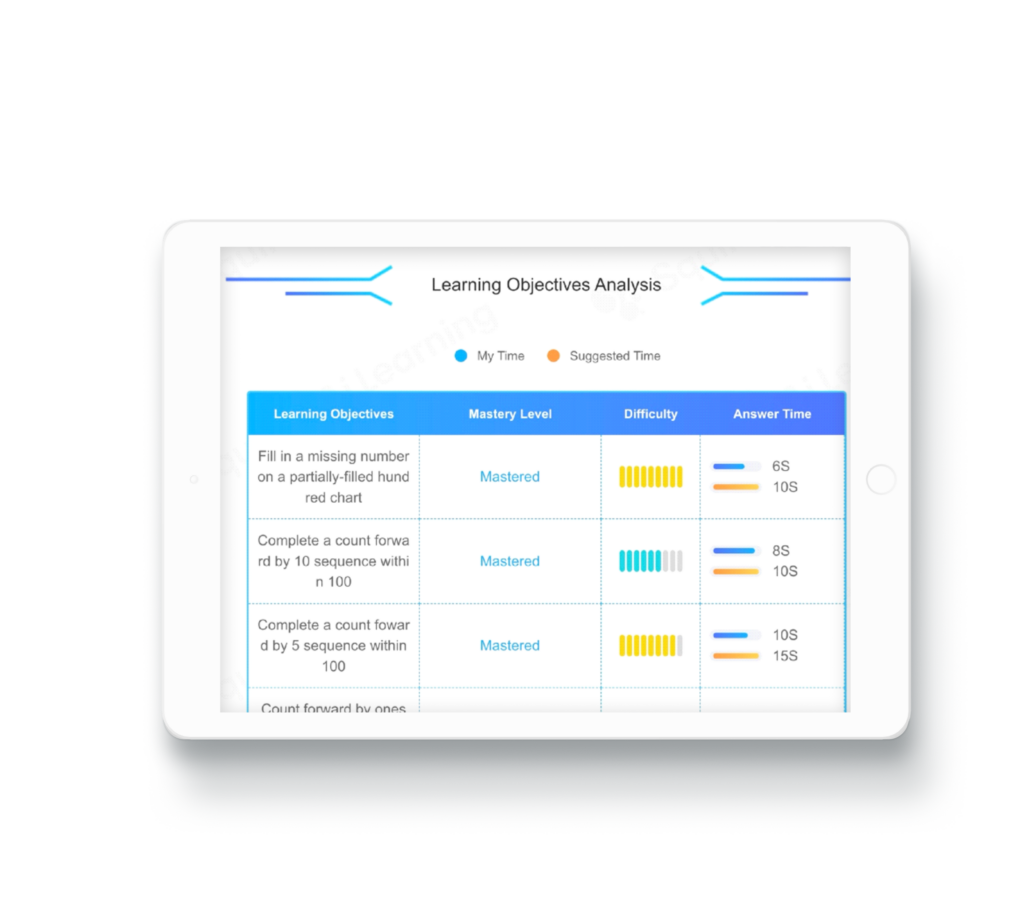
Adaptive learning must be measurable and actionable. At minimum, it requires an assessment engine that updates learner state, an evidence model that links content to skills, and an orchestration layer that routes remediation or advancement. Evaluate whether the franchise describes adaptivity in terms of algorithms and APIs, not only classroom practices. Demand clarity on latency for content personalization, how the system handles cold-start learners, and whether model updates are auditable.
Core evaluation criteria — a practical checklist
Validate these technical and operational items before committing: technology stack (SaaS, on-prem, hybrid), APIs and integration points, data model for learner mastery, privacy and compliance controls, training and support SLAs, content mapping and tagging standards, reporting and analytics exports, and scalability limits (concurrent users, throughput). Also check franchise economics: initial fees, ongoing royalties, required capital for local IT and staffing, and expected break-even drivers tied to student acquisition and retention.
Due-diligence actions to surface latent risks
Request system-level artifacts: architecture diagrams, anonymized data schemas, sample API documentation, and a runbook for routine tasks (backup, recovery, upgrades). Ask for a demo focused on edge cases—multi-student classrooms, offline access, rapid cohort onboarding. Verify vendor responsiveness through a mapped support flow and escalation times. Confirm whether the franchise model mandates proprietary systems or allows third-party tools to plug in without veto.
Alternatives and trade-offs to consider
Buying a franchise trades initial brand and proven curriculum for less technical flexibility. Starting an independent center gives full control but requires building or licensing an adaptive engine and content taxonomy. Licensing technology or white-label partnerships reduce development risk but can create vendor lock-in. Match the choice to available technical skill, capital, and appetite for operational complexity rather than to marketing claims.
Common pitfalls that derail deployments
Expect these failure modes: underestimating ongoing data management and labeling effort, treating adaptivity as a toggle rather than an iterative model lifecycle, and neglecting local teacher workflows that must integrate with the system. Overlooking data governance—consent, retention, and provenance—creates legal and trust risks. Budget for continuous model monitoring and periodic content re-tagging; otherwise personalization quality will drift.
Decision rubric and next steps
Prioritize franchises that offer transparent technical documentation, clear integration paths, and operational templates for staffing and training. Score prospects on: model transparency, data portability, support SLAs, content-skill mapping fidelity, and total cost of ownership across three years. If technical answers are evasive, treat that as a significant red flag. Compare shortlisted options against lightweight pilots to validate assumptions at low cost.
Concluding synthesis
Solving the problem of inflated adaptivity claims requires concrete technical checks, disciplined due diligence, and realistic operational planning. The right education franchise aligns algorithmic capability with classroom workflows and governance practices; when those elements fit together, the model supports predictable learning progress and sustainable operations, a balance that platforms such as Squirrel Ai aim to reflect through their published approach to adaptive tutoring and partner frameworks.