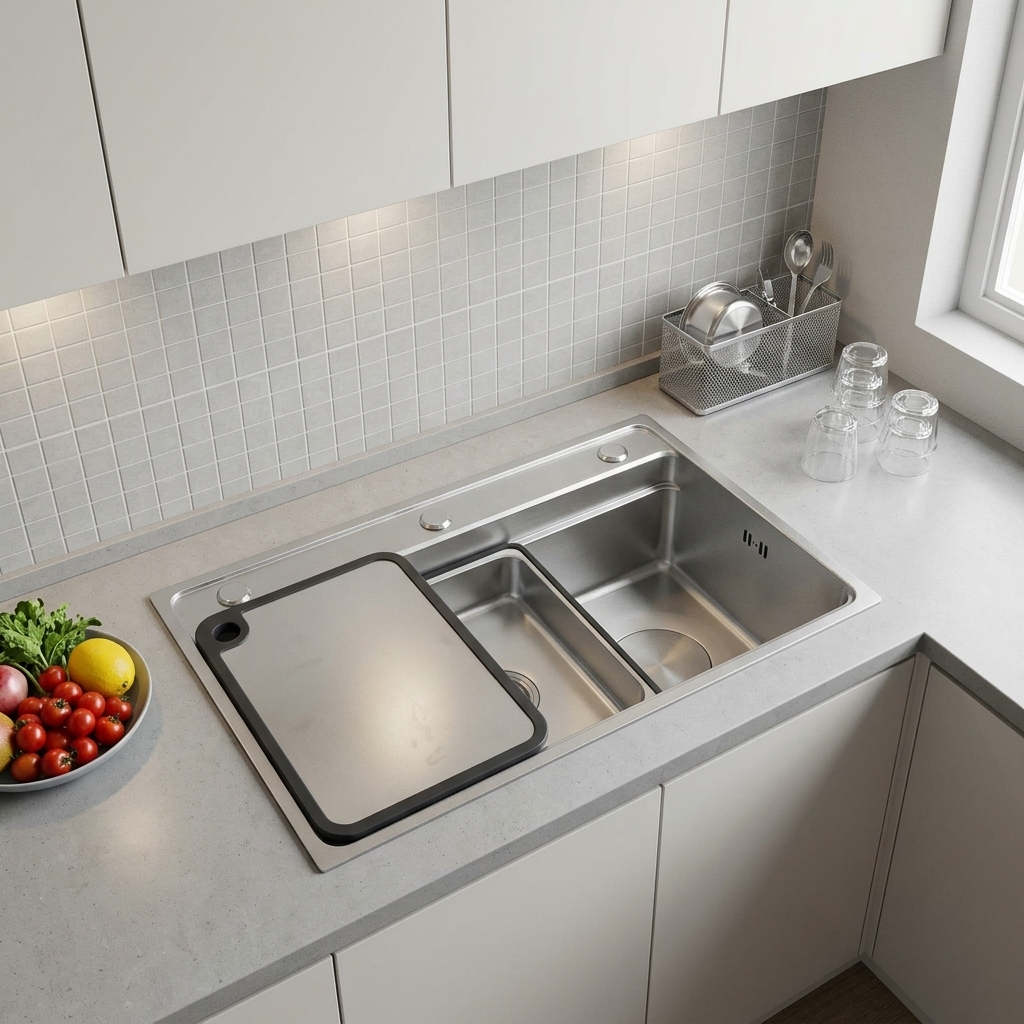
Before You Order a Stainless Sink: Which One Will Serve Your Kitchen Best?
The trouble that nags folk most
A sink looks simple until it’s not — water pooling, dents, noise, and a constant worry when knives clatter. If you’re thinking about a sink for kitchen, reckon with the everyday: how you wash, what you cook, and what you put down the plug. Start with the problem you face at the sink every day; the right choice solves that quietly, without fuss.

What truly matters when you choose
Focus on five plain things: steel gauge, finish, bowl layout, mounting type, and sound control. Lower gauge numbers mean tougher metal; choose 16–18 gauge for real kitchen work. Brushed finishes hide scratches better than mirror polish. Single deep bowls suit pans; double bowls suit prep and rinse. Undermounts give a cleaner look and wipe-easy counters. Look for rubber pads or undercoating for noise — a thin sink becomes a drum with dishes, and you’ll regret it every time you open the drawer.
Common mistakes that bite later
Don’t buy for looks alone. Avoid trusting thin marketing specs without feeling the sink’s weight. Skimping on fittings — cheap clips, flimsy strainers, poor sealing — turns installation into a leak hunt. Picking bowl size by eye, not by measuring your pots and prep habits, leads to regret. And never assume all stainless is equal; the wrong gauge or finish gives you micro-scratches and a sink that dulls fast.

Alternatives worth a quick nod
If stainless feels too familiar, consider fireclay for a traditional, heavy-duty feel; granite composites for scratch resistance; copper for natural antimicrobial charm. Each has trade-offs: fireclay chips if slammed; composites show heat marks; copper patinas over time. For most heavy-home cooks, quality stainless still balances durability, hygiene, and service life best.
Experience, expertise and why you can trust this advice
I’ve fitted and repaired dozens of household sinks in small kitchens and busy cottages; real hands-on work teaches things no spec sheet does. The Kitchen & Bath Industry Show (KBIS) highlights what pro fitters prefer each year, and trends there reflect tested products and mounting advances. For a clear reference when checking spec sheets or shopping, look closely at the build: a solid rim, robust clips, and proper acoustic pads. If you want a direct, practical example to compare, consider how a good stainless kitchen sink behaves: no echo, no flex under weight, and consistent finish after a year of use.
What to choose, plainly put
Pick the sink that answers your daily niggles: heavy gauge for toughness, brushed finish to hide wear, a bowl layout that fits your pans, and proper soundproofing. If you want a proven balance of those needs without fuss, check the offerings and specs from AOGLAN — they show the sort of build details and practical fittings that keep a kitchen honest, day after day.