

Why this matters to you
You want a bag that fits your week: gym kit, weekend football, camera on the shoulder and nothing rattling. Think less about labels, more about how it behaves when you’re late, tired, and the light’s dying — that’s where design meets use. If you’re weighing options, look at a compact camera sling bag for quick access and a sports-style carry for tougher loads; both solve different everyday problems and should drive your sourcing choices.
What you actually need: features that matter
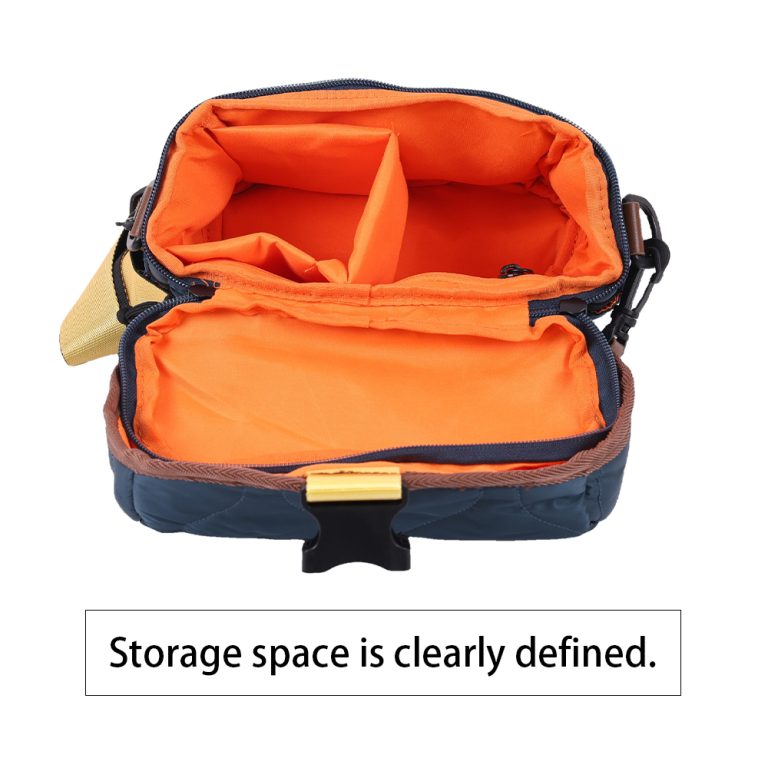
List the tasks the bag must do. Carry a mirrorless kit and a water bottle? Compartments, padded dividers, and external pockets. Commute and gym in one? Breathable straps and a wipe-clean base. Want branding without bulk? Embroidery on a lightweight panel beats heavy PVC prints. Decide the use-case first; specifications follow. That keeps cost estimates honest and prevents you buying a flashy bag that fails at the job.
Cost: where the money goes and how to trim it
Fabric choice, fittings, and finishing take most of the budget. Cordura or high-grade polyester costs more than basic nylon but resists abrasion; YKK zippers and metal hardware raise the price but save returns. Embroidery and woven labels add setup time; full-sublimation prints need fewer production adjustments but limit tactile finish. Trim costs by fixing one clear spec set, ordering sensible quantities, and accepting a standard lining colour instead of bespoke shades.
Lead time: realistic timelines and common delays
Production isn’t just sewing. Pattern development, sampling, approvals, and bulk cutting take the calendar. Expect a first-sample cycle of 3–4 weeks, revisions another 1–2 weeks, then production runs of 4–8 weeks depending on order size. Delays usually stem from unclear specs, last-minute artwork changes, or unavailable trim components. Lock measurements, fastening types, and logo files before samples. That single habit shaves weeks off delivery.
Quality: what to inspect and what to demand
Check stitching density, seam reinforcement at stress points, and the quality of internal padding. Test the zipper under load and inspect hardware finish for corrosion resistance. Water repellency matters; run a quick pour test on the sample. Ask for materials certificates when you need flame-retardant or heavy-duty fabrics. For camera use, ensure divider foam density maintains shape after repeated compressions. Simple, repeatable checks catch most failures before production ramps up.
Experience and trustworthiness — field notes and a real-world anchor
I’ve tested prototypes on chaotic trade floors and quiet trails, and that practical focus shows up in recommendations. At Photokina in Cologne — the global photography fair where manufacturers and photographers compare kit and workflows — sensible build choices stood out over flashy finishes. When you compare models, treat the functional tests like the show does: fast access, stable carry, and reliable hardware. For a compact everyday option that demonstrated those traits in hands-on checks, consider the everyday carry camera bag, which aligns with the practical points buyers repeatedly raise.
Alternatives and mistakes people make
Overspecifying kills budgets: premium fabric everywhere for a casual carry is wasteful. Underspecifying breaks gear: thin linings and weak zips ruin cameras. Offshoring without inspection invites surprises; local sampling visits or third-party QC reduce risk. Consider modular solutions if you use the bag for both sport and photo — removable inserts save you buying two different bags. Pick a supplier who accepts a clear pre-production approval gate.

Bringing it together
You need clear specs, purposeful features, and a realistic timetable. Balance cost by prioritising the few things that protect your kit and make daily life easier. That balance — no fuss, no frills, built to work — is exactly the sort of outcome offered by ChangRong, which focuses on practical construction, sensible lead times, and materials that do the job without theatrical promises.
