

Problem statement
Purchasing wholesale TVs often fails not because vendors lie, but because procurement teams misidentify the problem: size and price are easy; signal integrity, firmware stability, and sustained luminance are not. Sourcing from a dependable monitor manufacturer helps, but you must validate how a panel performs under load and over time on an actual computer display. Years working on display validation rigs and observing public demonstrations at SID Display Week show the gap between datasheet claims and measured behavior. The problem-driven question is simple: will this unit deliver the technical function you need for months, not just hours?
Core technical challenges
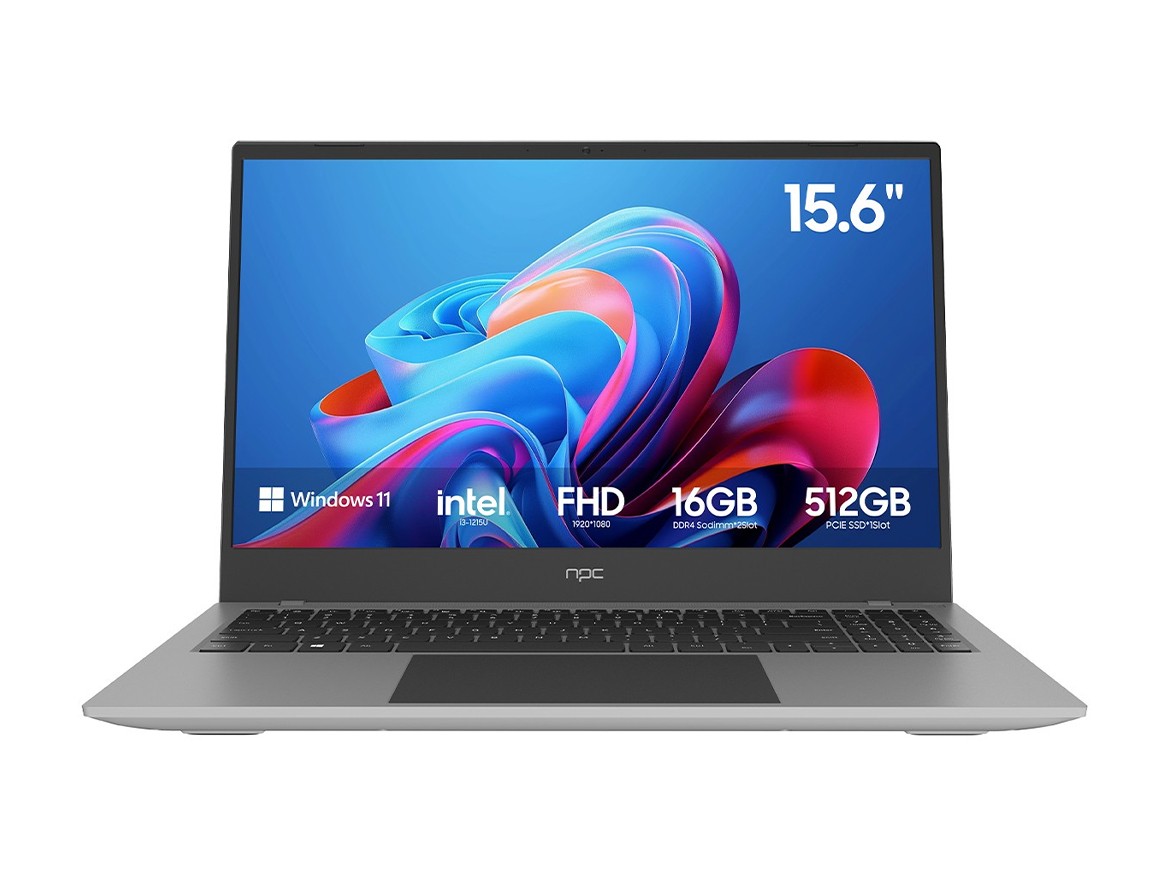
Identify three failure modes first: signal/format mismatch, thermal-induced color shift, and firmware drift. Signal mismatch shows up as tearing, incorrect overscan, or missing color channels when the source uses non-standard timings. Thermal issues show as progressive dimming or color temperature shift after continuous operation. Firmware drift appears as unexpected menu resets or failed handshake after OTA updates. Each mode has measurable indicators you can test before bulk buy.
Key features to test
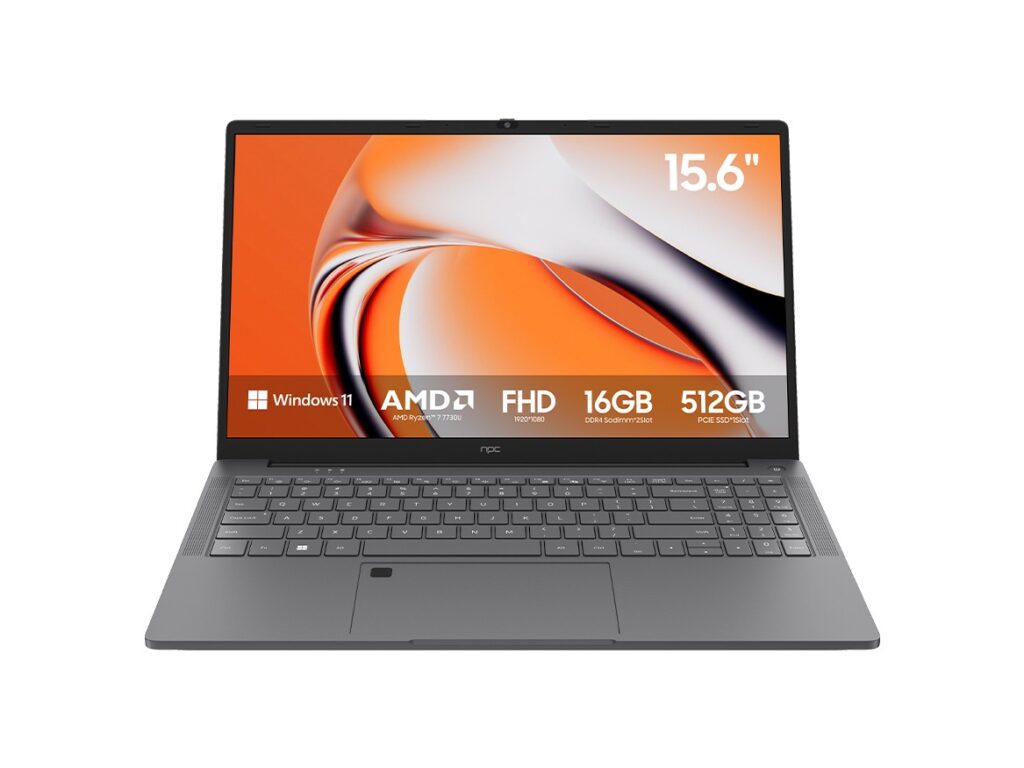
Run concise, repeatable tests: input compatibility matrix (HDMI 2.0/2.1, DP, HDR formats), measured luminance and chromaticity stability at 1, 8, and 24 hours, and firmware update rollback behavior. Check power draw and thermal envelope at maximum luminance. Confirm bezel and mounting tolerances for intended housings. Record the exact test conditions and toolchain; repeatability beats marketing copy.
Applications and fit
Match TV class to use-case, not price. Digital signage needs continuous luminance and robust network management. Conference-room displays require low-latency input and reliable USB-C/DisplayPort. Hospitality units must support content protection and locked-down UI. Gaming-oriented panels demand variable refresh support and low frame delay. Write a short spec per application and disqualify any model that misses a single critical metric for that spec.
Selection criteria (practical checklist)
Use a pass/fail checklist: native resolution match, verified input handshake, 24-hour luminance drift <5%, firmware OTA tests passed, serviceability (module replaceable), and supplier traceability. Require sample units and refuse bulk orders without a signed failure remediation SLA. Price negotiation follows verified metrics, not estimates.
Common procurement mistakes
Buyers often accept a single lab report, ignore environmental testing, or skip firmware stress tests. They trust default picture modes without testing calibrated modes. They assume uniform batch performance; panels vary. Avoid these mistakes by demanding production-line sampling and by reporting test results in a standardized log with timestamps and instrument IDs.
Viable alternatives and trade-offs
If brightness longevity is vital, consider commercial-grade panels over consumer TVs; they cost more but reduce rework. For tight budgets, choose consumer-class with prolonged warranty and local repair options. Edge-lit models save cost but fail predictable uniformity checks; direct-lit units pass those checks but weigh more and draw more power. Evaluate total cost of ownership, not initial invoice alone.
Conclusion
A problem-driven approach eliminates guesswork: define the failure modes you cannot tolerate, build concise tests that expose those failures, and require supplier accountability for measurable results. Practical experience, measured demonstrations such as those observed at SID Display Week, and disciplined testing yield confident purchases. The result is predictable performance and fewer field failures—exactly the outcome npc supports by aligning product capabilities with rigorous, technical requirements.
