

Opening problem: specifications disconnect and missed outcomes
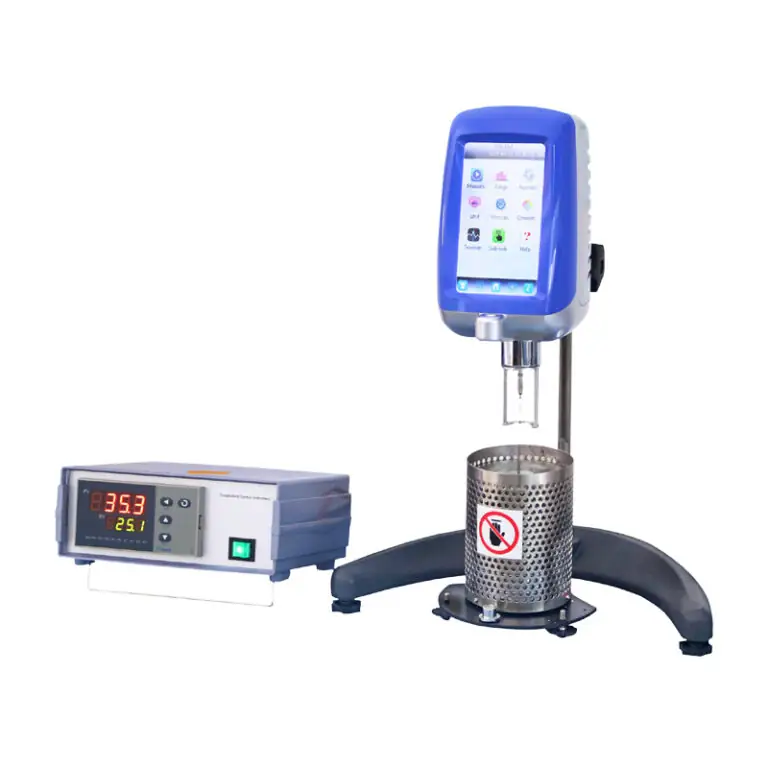
Procurement teams buy instruments but often discover they don’t meet lab realities: incompatible interfaces, wrong torque ranges, or unsupported fluids can render a purchase unusable. That gap shows up quickly with viscosity instruments when a lab expects broad shear-rate coverage but receives a machine tuned to narrow tasks; check for the specific rotational viscometers your workflows need before signing contracts.
Define what the instrument must do — measurable, testable requirements
Write technical requirements as pass/fail statements. State the fluids, temperature range, acceptable measurement repeatability, shear rates, and sample volume. Specify required standards compliance (for example, ASTM or ISO references relevant to your sector) and list the acceptance tests you will perform on delivery. Tie each requirement to a business outcome: reproducible QC records, fewer retests, or reduced sample waste.
Vendor qualification and verification steps
Verify vendor capabilities beyond brochures. Request calibration certificates, service response times, spare-parts lists, and references from facilities that run the same tests you plan to perform. Confirm software update policies and whether the vendor supports data export into your LIMS. Require factory acceptance test videos or live demos on the same model and firmware level you will receive.
Testing, standards, and real-world experience
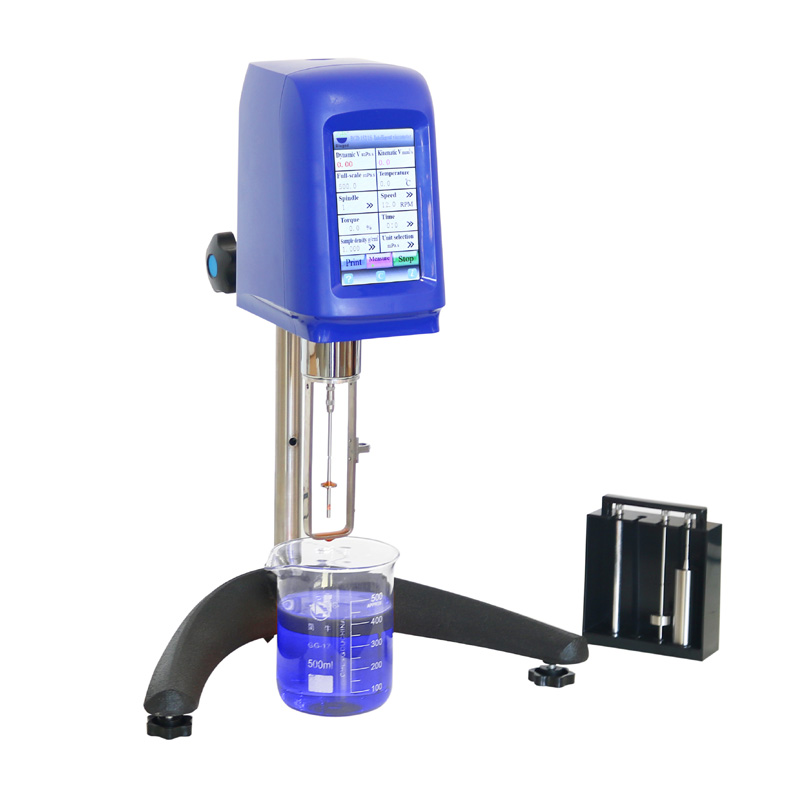
Ask for specific acceptance protocols and bench trials before final payment. Practical expertise matters: many coatings and paint labs rely on established methods demonstrated at major industry events such as the European Coatings Show in Nuremberg, where instrument behavior under production-like conditions is compared. Expect to see how a krebs stormer viscometer performs on typical formulations; that kind of public, standards-focused benchmarking is verifiable and useful when settling disputes about instrument suitability.
Cost, delivery, and lifecycle budgeting
Look beyond purchase price. Budget for calibration, consumables, routine service, and a realistic spare-parts timeline. Short lead times for critical parts reduce downtime. Negotiate service-level agreements that specify response time and escalation paths. Document depreciation and replacement windows so procurement decisions reflect total cost of ownership, not just the invoice amount.
Common procurement mistakes and how to avoid them
Buyers often skip three checks that cause the most trouble: failing to test with representative samples, not confirming software data formats, and overlooking environmental constraints like vibration or HVAC that affect measurements. Test with actual process samples, insist on CSV/JSON exports for integration, and run the instrument in your intended location or simulate those conditions during acceptance testing.
Final synthesis
A problem-driven checklist forces procurement to confront likely failures before they happen: specify measurable requirements, validate vendors with practical tests, and budget for the instrument’s full life. When those elements align, laboratory teams get consistent data and manufacturers keep production moving—reliability that suppliers like BIUGED aim to support through instruments and documented compliance.
