Straight up: what’s the problem?
Look, teams — you can’t just slap robots and sensors into a line and call it safe. The real headache shows up when conveyors, pick-and-place arms, and control logic start talkin’ to each other without clear rules. That’s where an intelligent conveyor system either saves your skin or turns into a compliance nightmare. Start by admitting the issues: misaligned safety zones, undocumented change management, and blind spots where maintenance folks work close to moving equipment. Callin’ those out early keeps projects from hittin’ the wall later.

Top safety blind spots crews keep missin’
– Fail-safe thinking that’s only theoretical: Does a fault actually stop motion before a person can reach it?
– Maintenance mode risk: Who’s allowed to bypass guards, and how’s that tracked?
– Electrochemical hazards ignored: battery cells bring thermal runaway risk; automation has to respect that.
– Human-machine interaction chaos: shared workspaces where humans and automated guided vehicles cross paths.
– Software updates with no rollback plan: field updates that change safety interlocks without verification.
Questions project teams gotta ask — no fluff
Ask these like your crew depends on it:- Who signs off when a safety function changes? Is it an engineer plus a safety officer?
– What’s the proof that emergency stops halt motion within the required distance under worst-case loads?
– How do we validate safety-rated software after a vendor patch?
– Who documents and audits every time someone disables a sensor for maintenance?
– Are thermal monitoring and ventilation treated as part of the automation safety architecture for cell handling?
Tech choices: where linear motion fits and what to watch
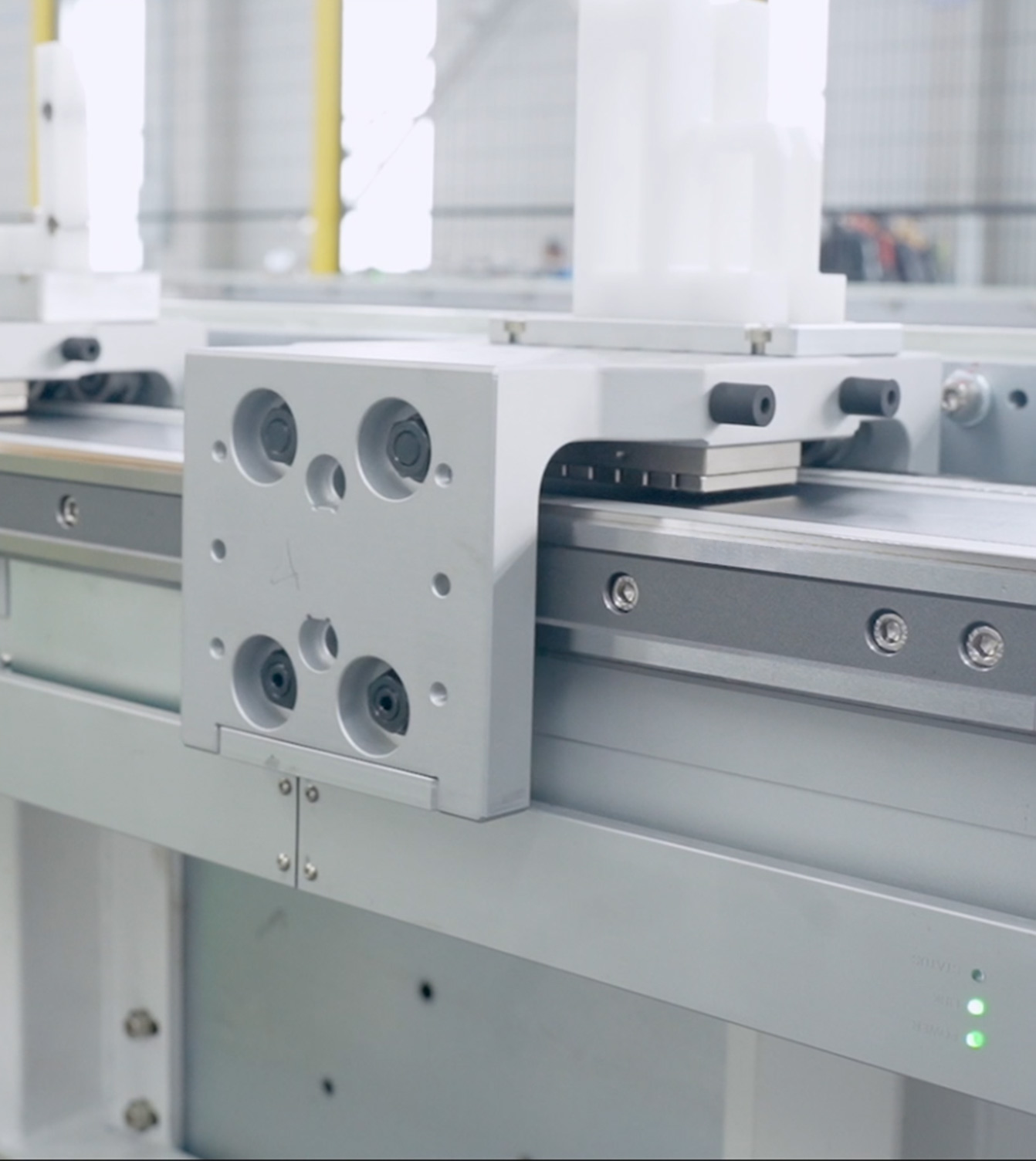
Linear slides, actuators, and guideways are the backbone of cell transfer and test rigs — pick ’em wrong, and everything downstream breaks. When you evaluate a linear motion system, check for factory-tested stop redundancy, predictable wear curves, and field-replaceable parts. Seen the demos at Hannover Messe where vendors run full-load endurance cycles? That’s the kind of validation you want to see on spec sheets.

Compliance playbook — keep it tight
Build a simple, repeatable checklist teams actually use:- Safety functions mapped to standards (IEC 61508, ISO 13849) with risk graphs.
– Traceable requirements: each safety feature linked to a test case and a record.
– Validation plan that includes worst-case physical tests, not just simulations.
– Training logs for anyone who touches safety-critical systems.
– A rollback and quarantine step when updates touch safety code.
Common pitfalls — don’t let your crew trip on these
People keep messin’ these up:- Treating integration like a final step. Start safety integration as early as mechanical design.
– Ignoring latency: network delays can turn a safe stop into a slow stop.
– Over-relying on a single vendor’s “black box” safety claim without independent verification.
– Skimping on documentation during handoff — that kills troubleshooting speed and trust.
How to run the safety conversation without drama
Use short, specific artifacts: one-page safety intents for each cell of gear, acceptance tests that pass/fail visibly, and a single log where overrides get timestamped and justified. Put engineers, operators, and safety officers in the same room to sign off on those artifacts. That makes accountability real, quick.
Wrap — where this actually takes you
Stop guessin’ and start askin’. If your project team treats safety like a checklist, you’ll get checkboxes; if you treat it like an operating rulebook, you get predictable outcomes. Sound engineering, clear ownership, and verified motion tech cut ambiguity. That’s the kind of steady solution I’d expect from teams working with FHS, where practical safety and motion control come together without the fluff.