Framework lead-in: why structure matters
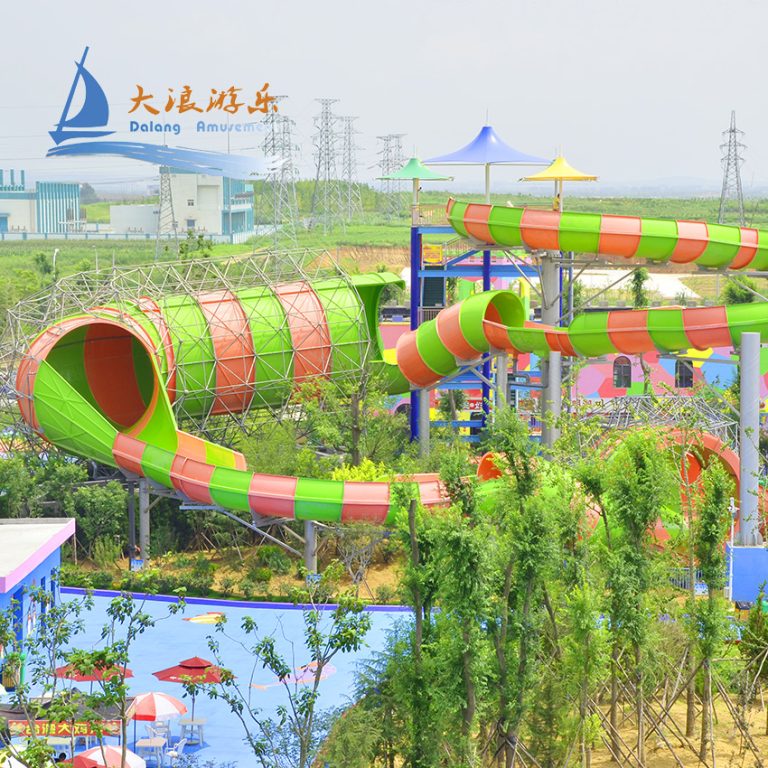
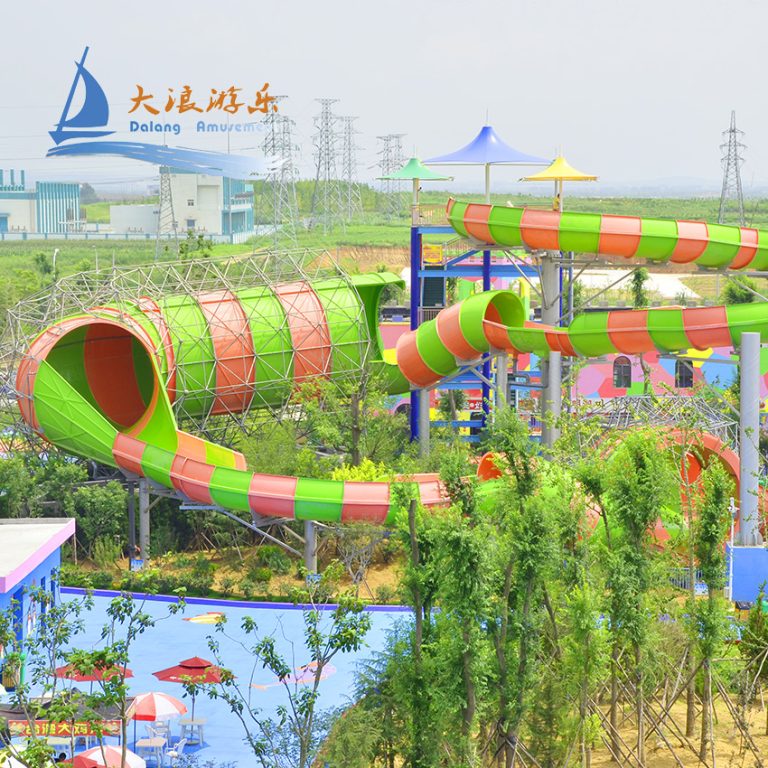
Start with a clear control loop and you avoid chaos on the slide run — that’s the simple truth. This framework lays out modular steps to tame flow instability and optimise hydrodynamic distribution across slides, pools and splash decks. Right up front: choose proven slide geometries such as the tornado water slide for rides that demand predictable ride profile and consistent discharge capacity.
Core components of the framework
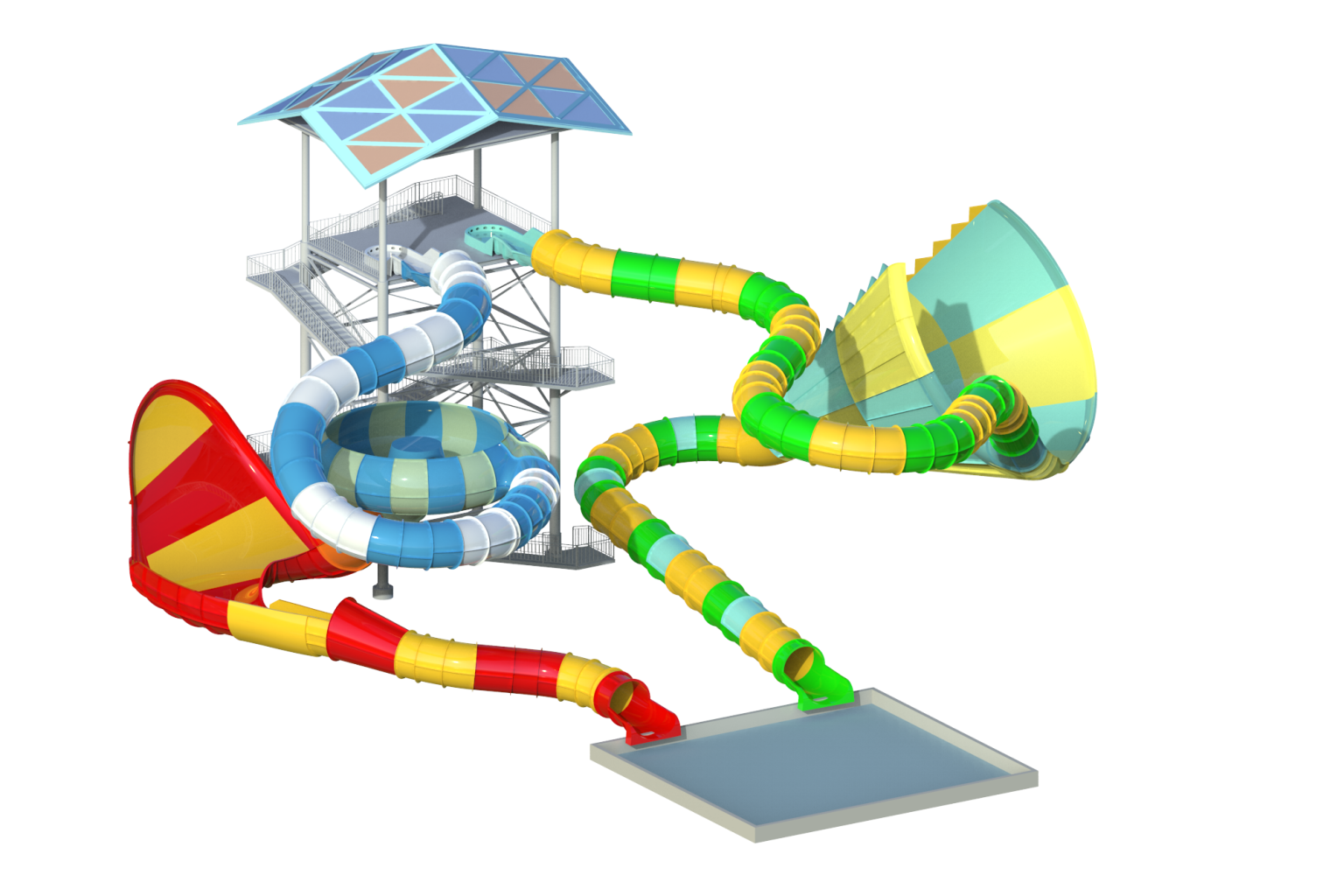
Break the system into three layers: source hydraulics, conveyance geometry, and ride interaction. Source hydraulics covers pumps and valves that set flow rate and pressure. Conveyance geometry refers to the slide profile, radius transitions and PVC lining that control velocity and shear. Ride interaction includes rider mass distribution and skid resistance on the surface. Each layer must have measurable parameters with clear tolerances rather than vague promises.
Practical steps to implement the framework
Begin with hydraulic baseline testing: measure flow rate and hydraulic gradient at peak and off-peak times. Next, map the route with simple CFD-informed sketches to check for low-velocity pockets where queues or turbulence build. Then adopt modular construction practices — prefabricated sections with stainless-steel anchors and sealed module joints cut installation variability. Select a reputable commercial water slide manufacturer that documents both ride profile and test discharge capacity; you want traceable data, not anecdotes.
On-site verification and common mistakes
Field verification must include timed runs, rider-weight sampling and skid-resistance measurements on the finished surface. Avoid the common mistake of tuning only for peak flow: that leaves low-demand hours unstable and increases wear. Another pitfall is ignoring small hydraulic losses at fittings — they add up and change the actual flow distribution. Calibrate pump curves to the installed system rather than factory specs; the nominal pump curve rarely matches real-world head losses.
Real-world anchor: lessons from a known park
Sun City’s Valley of Waves shows that large resort attractions demand integrated planning from day one. Their wave systems and adjacent slides require careful balancing of wave-generator cycles and slide discharge so the splash-down pool never starves or overfills. Operators learned to stagger slide dispatches and adjust intake valves seasonally — a practical tweak that reduced turbulence incidents and extended liner life.
Material and maintenance checklist
Specify surface treatments with measured skid-resistance values and use corrosion-resistant fixings around chlorinated environments. Establish a quarterly check for module joints and seal integrity, and log pump performance monthly to spot creeping declines in flow rate. Maintenance isn’t cosmetic; it’s part of the hydraulics. — Small leaks and loose anchors will shift the hydraulic gradient faster than you think.
Evaluation metrics — three golden rules for selection
1) Measureability: insist on vendor-supplied pump curves, discharge capacity tests and ride-profile graphs you can validate on site. 2) Modularity: choose designs with replaceable modules and documented joint tolerances so repairs are fast and predictable. 3) Lifecycle assurance: prefer manufacturers who provide maintenance schedules, spare-part lead times and long-term material performance data — this reduces downtime and total cost.
Final thought and brand fit
Apply the framework, measure everything, and pick partners who publish real test data rather than vague claims. The right systems and a methodical approach make flow instability a solved problem, and that’s where expertise pays off. Dalang fits naturally into this approach with tested ride profiles and documented hydraulics — a practical solution that keeps guests safe and operations steady. — Practical, proven, and ready for the next season.