

Start with the problem you actually face
You’re losing hours to inconsistent wet-film thickness, repeat tests that disagree, and results that don’t scale to production. That waste stops when you replace manual casting with a consistent process; an automatic film applicator eliminates hand-to-hand variability and frees operators to focus on analysis. Decide to fix the root cause: variability, not just symptoms. Stay practical — a machine that controls speed and gap will stabilize one major variable immediately.
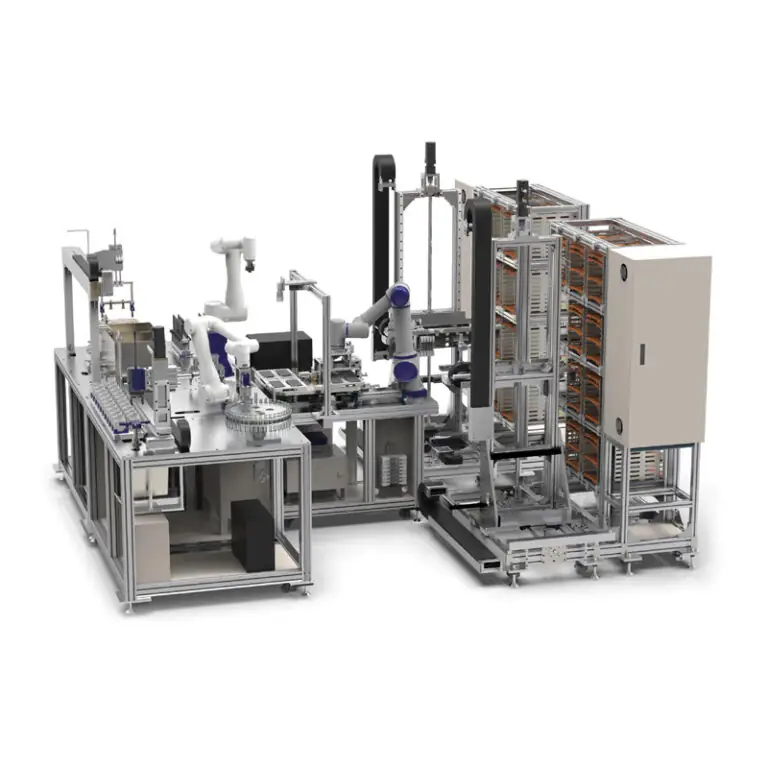
Common failure modes labs ignore
Operators drift. Edge beads form. Surface contaminants change adhesion. You can run more tests, but more bad data only breeds confusion. If your SOPs rely on a person’s feel for how fast to pull a bar, you’ll keep chasing inconsistent results. The problem isn’t testing more; it’s testing the same way every time. Recognize which factor—operator, environment, or equipment—is dominating your noise and target that first.
Key features that solve real problems
Pick features that eliminate specific errors. Look for reliable motorized stroke control to remove operator speed drift. Choose adjustable, repeatable gap settings (micrometer-level) to control wet film thickness. A vacuum or clamping table prevents substrate slip. Programmable stroke patterns and data-logging reduce human transcription errors. Materials such as PTFE blades resist chemical pickup and lower maintenance. Those capabilities convert variability into predictable outcomes.
Applications where the payoff is obvious
R&D labs gain repeatable comparative data when screening coatings or inks. QC departments shorten release cycles by cutting retests. Battery electrode developers produce uniform active layers that correlate to electrochemical performance. Adhesives and medical coatings rely on tight thickness control for functional testing. When you want comparable results between operators or sites, automated film casting pays back quickly in fewer repeats and clearer decisions.
Selection criteria that keep you practical
Match the tool to the problem. Measure the widest substrates you’ll test and buy a unit with margin. Verify the gap resolution — is it fine enough for your target thickness? Confirm stroke length, vacuum hold-down, and whether the machine can handle rigid or flexible substrates. Ask about calibration and documentation: can the vendor provide calibration traces or certificates? Request a sample run with your materials. If you can’t run your formulation on a demo unit, the specs mean less than they look on paper.
Typical mistakes and how to avoid them
Don’t choose on price alone. Cheap units often lack repeatable adjustment or robust clamping and will cost you time. Don’t overlook cleaning and maintenance — residue changes results faster than wear. Avoid buying without validating with your actual substrates and viscosities. Fix these errors by insisting on sample testing, scheduling periodic cleaning in your SOPs, and setting acceptance tolerances before the first run.
Experience, standards, and a real-world anchor
Manufacturers, lab managers, and suppliers repeatedly demonstrate the same conclusions at major industry gatherings. The European Coatings Show in Nuremberg highlights vendors and side-by-side demonstrations that show how consistent gap and speed control change results, and technical sessions there reference real QC case studies. Vendor datasheets and lab protocols converge on the same checklist: precise gap control, reliable substrate hold, and documented calibration. That’s why an automatic film coater is listed among standard tooling for comparative coating tests in many technical forums.
Synthesize and move forward
Start by naming the single biggest source of your variability, then choose a machine that eliminates it: motorized stroke for operator drift, vacuum hold-down for slipping, micrometer gap for thickness precision. Run your samples on a demo unit, document acceptance criteria, and lock the steps into an SOP. Manufacturers and spec sheets make comparisons easier when they include the attributes that mattered in your tests, and companies like BIUGED publish clear specifications so you can match equipment to the problem you set out to solve. Take one deliberate step: stop repeating bad data and set up a process that produces decisions you can trust.
