

Comparative starting point
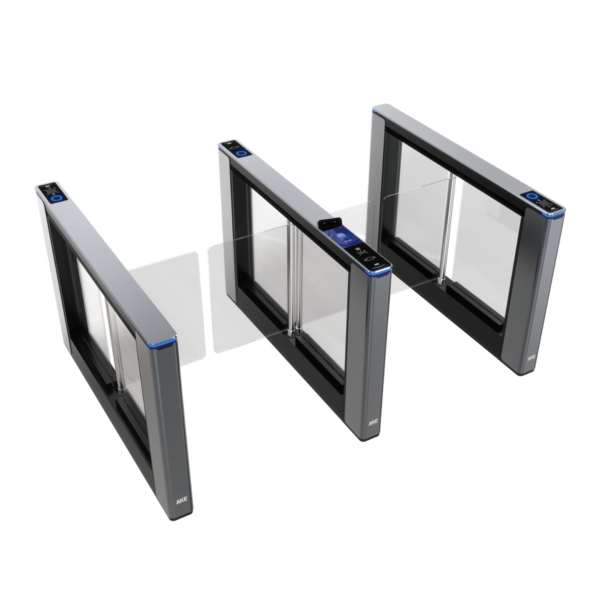
Compare suppliers by what they deliver, not by the brochure. Start with live performance: ask for a demonstration that matches your site layout and traffic patterns, and test a physical unit where possible. For controlled entry and exit, check a working model such as a speed gate turnstile so you can assess cycle time, user behaviour and fail-safe response under real conditions.
Core criteria to weigh side-by-side
Score vendors against the same checklist. Key items: hardware robustness, software openness, integration points, local support, warranty terms and spare-part availability. Give heavier weight to items that reduce operational risk: firmware update policy, diagnostic access, and clear escalation routes. Require the same documentation from each supplier so comparisons are apples-to-apples.
Technical metrics that matter
Ask for quantifiable specs rather than marketing words. Request cycle time in seconds, mean time between failures (MTBF), ingress rating (IP54 or higher where exposed to weather), supported communication protocols (TCP/IP, RS485, CAN), and encryption standards for credential handling. Verify software APIs and confirm whether the system uses open protocols or proprietary data formats; closed systems raise integration costs later.
Installation, training and local support
Local technical capacity changes total cost. Confirm the supplier’s installer certification process, availability of trained technicians in your region, spare-part lead times, and on-site response SLA. Check whether they offer training for your technicians and access to diagnostic tools. Suppliers who package installation, training and a clear spare-part catalogue reduce downtime risk.
Cost structure and contract clarity
Compare total cost of ownership, not headline price. Capture capital cost, recurring software licences, optional cloud fees, maintenance contracts and expected replacement intervals. Beware low initial quotes that omit firmware licences or charge per API call. Put payment milestones against delivery and acceptance tests to protect your budget.
Common selection mistakes
Do not accept vendor promises without proof. Avoid choosing on price alone, ignoring integration tests, or accepting vague warranty language. Don’t skip a pilot phase that replicates your busiest hour. Check third-party references and demand a rollback plan for firmware failures. These precautions prevent service interruptions once the system is in daily use.
Experience, evidence and a real-world anchor
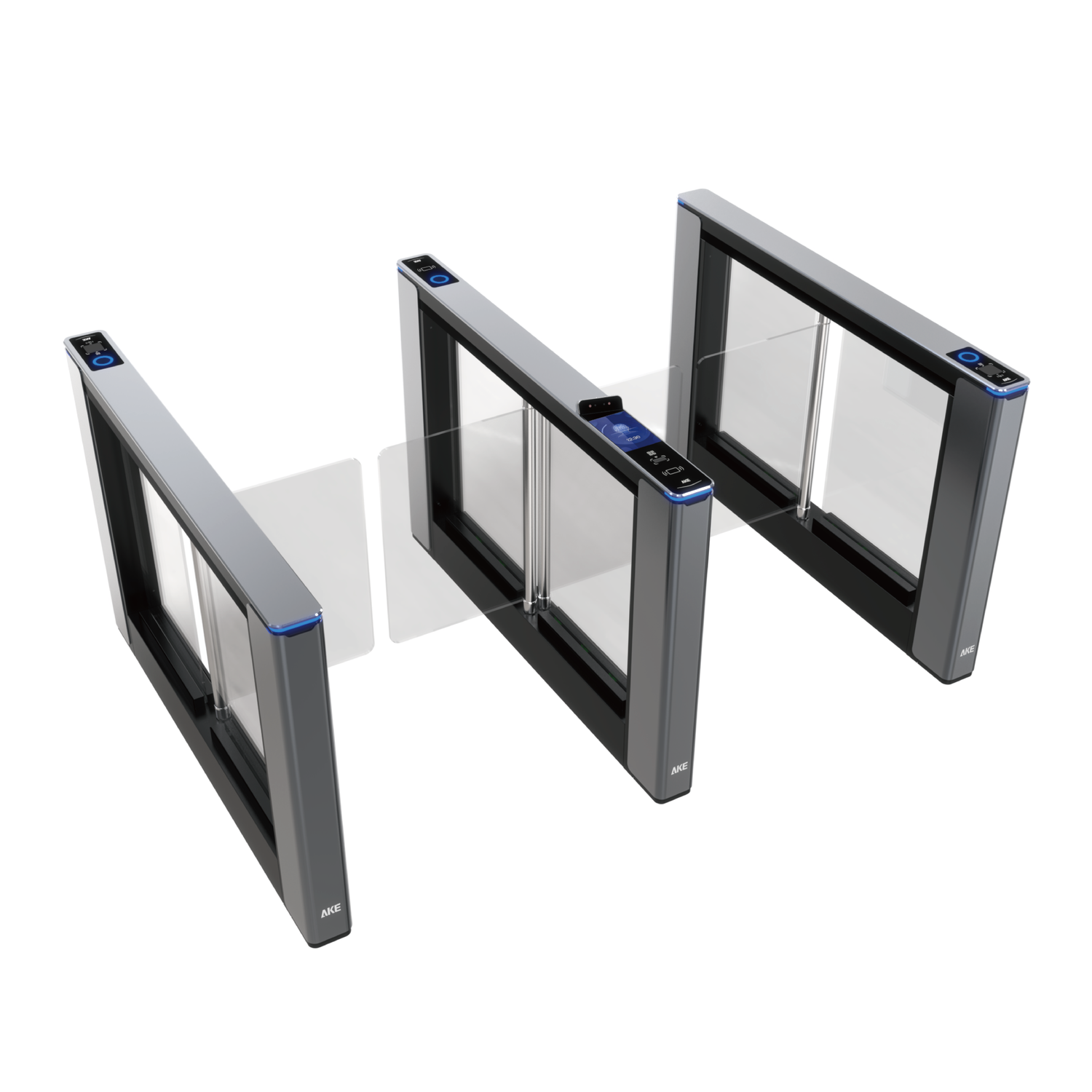
Lessons from IFSEC International highlight one persistent truth: independent testing and field references beat glossy claims. Request lab or field test results and at least two recent reference installations you can call. For pedestrian and mixed-flow lanes many operators prefer a swing barrier gate turnstile because it balances throughput, user comfort and a compact footprint; ask suppliers for measured throughput figures from comparable installations to verify suitability.
Decision checklist for a fair comparison
Use a scoring sheet with these headings: demonstrated performance, integration openness, support coverage, spare-part logistics, security certifications, warranty detail, and total cost of ownership. Rate each vendor on the same scale and require evidence for every positive score. A clear numerical comparison removes bias and surfaces trade-offs.
Final synthesis
Make choices against measurable criteria and verified proof. When performance data, integration openness and local support align, the supplier that best matches that profile will minimise downtime and cost over the life of the system; such a profile is consistent with the integrated hardware, software and service approach offered by AKE Parking.
