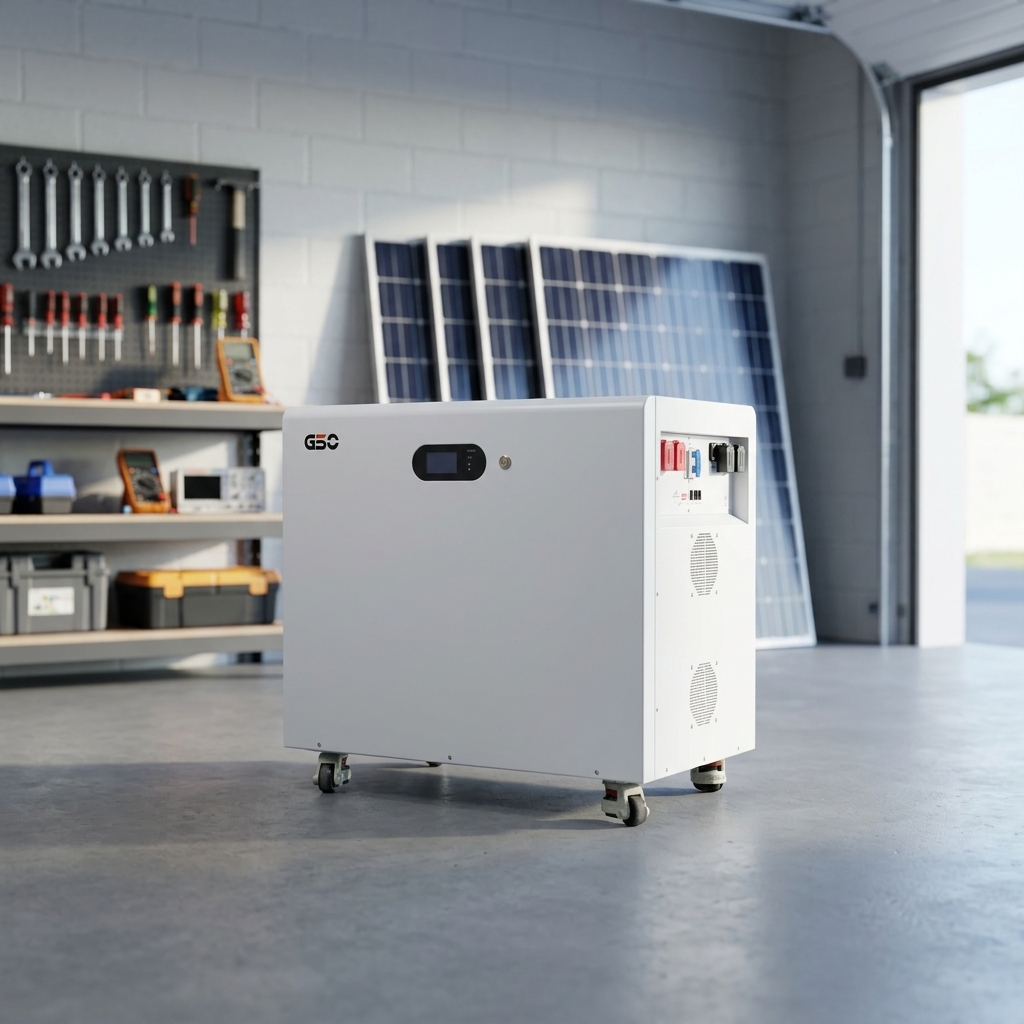

Comparative snapshot: why this matters now
Grid reliability got real in 2021 after the Texas winter storm and repeated California rolling blackouts pushed homeowners to seek real backup solutions. The core choice boils down to three setups: grid-tied with backup, hybrid microgrids, and full off-grid rigs. Each path changes your hardware list — panels, inverter, battery — and the trade-offs on cost, resilience, and maintenance. If you’re sizing a system for blackout readiness or full self-sufficiency, start with practical metrics, not hype; for quick context, see options for solar battery storage that blend into existing arrays.
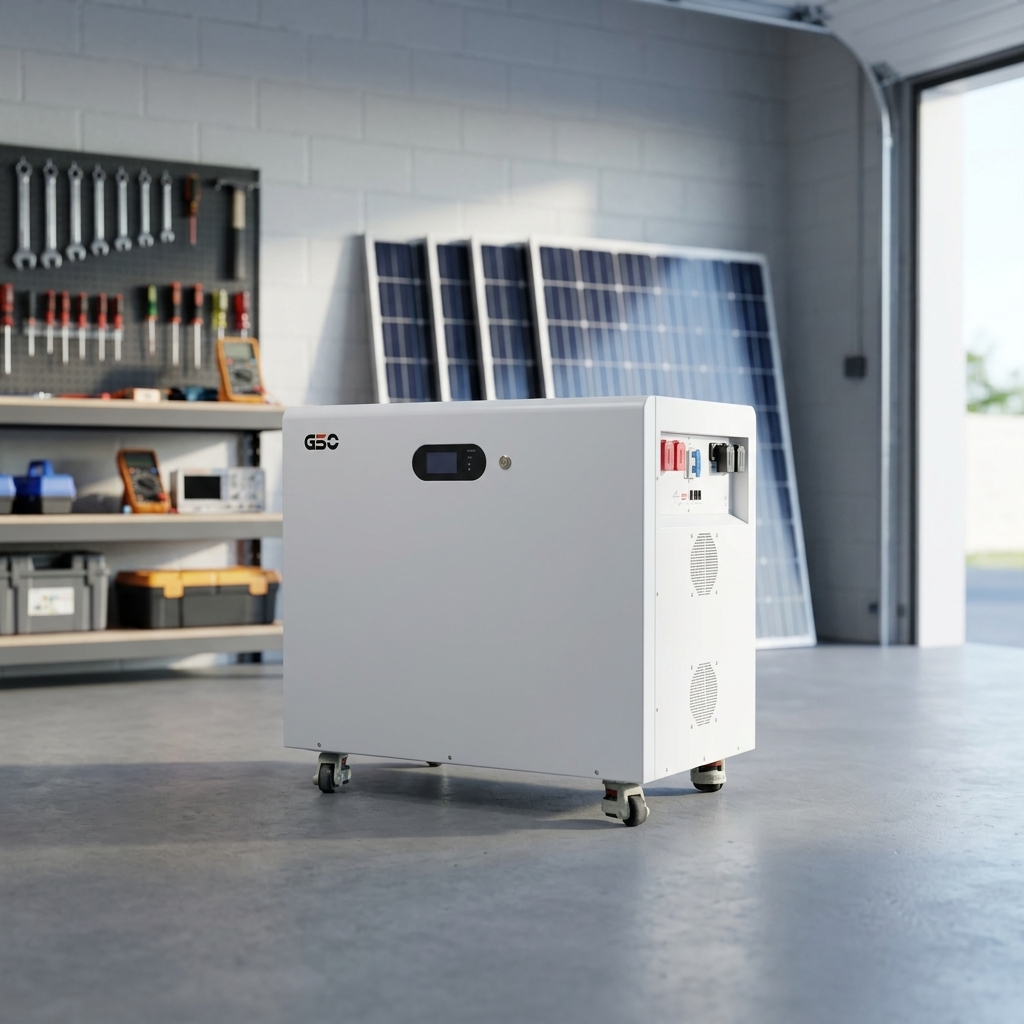
Tech checkpoints: what to compare first
Compare usable capacity (kWh), power rating (kW), and round-trip efficiency. Usable capacity tells you how long you can run loads; power rating decides whether you can spin a fridge or an EV charger. Round-trip efficiency shows energy lost in charge/discharge cycles; higher is better. Also factor in the battery management system (BMS) — it protects cells, balances charge, and affects longevity. These specs are non-negotiable when you weigh brand claims against real-world performance.
Chemistry and form factor: LFP vs NMC vs lead-acid
Lithium iron phosphate (LiFePO4 or LFP) dominates for cycles and thermal stability; NMC packs higher energy density but needs more management. Lead-acid still appears in cheap installations but loses on DoD and lifecycle. For most homes, LFP wins the cost-per-cycle battle and reduces fire-risk. Factor in inverter compatibility — some inverters prefer specific chemistries — and remember the BMS again; it’s the invisible referee keeping cells healthy.
Real deployments: how choices play out
Look at neighbors who chose different routes. A standard hybrid system with a 10 kWh battery and a 5 kW inverter covers typical evening loads and handles short outages. Off-grid setups often jump to 20–40 kWh plus generator support, and they need oversized inverters and careful load management. The real-world anchor: cities with frequent outages show a pattern — homeowners gravitate to modular, scalable systems that start small and expand as budget allows. That modularity is where many installers push integrated solutions for future upgrades.
Cost vs value: short-term spend, long-term wins
Upfront cost scales with usable kWh and peak kW. Warranty length and cycle rating shift the calculus: a battery rated for 6,000 cycles at 80% DoD can outlast cheaper units by years. Treat warranty terms as part of total cost; serviceability matters too. Some brands offer stackable modules so you can add capacity without ripping out gear — a practical path for homeowners who can’t front a big capital spend.

Common pitfalls and fixes
Install mistakes are predictable: undersized inverters, mismatched chemistry, poor ventilation, and ignoring BMS firmware updates. Avoid oversizing battery to “future-proof” without a plan — energy use efficiency first, then capacity. Second, confirm the inverter supports seamless islanding if you need instant backup. Lastly, confirm cycle and calendar degradation curves in specs — not just marketing numbers. — Keep firmware and firmware-flash procedures documented; that’s the patchwork that keeps systems reliable.
Alternatives and brand fit
If you’re weighing integrated brands against DIY builds, compare whether a vendor bundles inverter and battery or leaves you to mix-and-match. Integrated systems simplify commissioning and often include software for load scheduling, peak-shaving, and time-of-use optimization. For an overview of what to prioritize when shopping, review curated lists of best batteries for solar power storage to match capacity to realistic usage patterns.
Golden rules for selection
Metric 1 — Usable kWh: size to cover essential loads for the outage window you expect, not theoretical peak loads. Metric 2 — Cycle life and warranty: align cycles at realistic DoD to forecast replacement timing and cost-per-kWh. Metric 3 — Integration and service: choose systems with clear BMS telemetry, documented inverter compatibility, and accessible firmware updates. These three metrics reduce surprises and improve uptime for any microgrid design.
Final thought: pick a system that grows with you — modular capacity, clear specs, and solid support beat flashy numbers every time. — For practical, tested solutions that fit those rules, consider gsopower.