

Comparative overview
Direct comparison starts with purpose. CPAP delivers a fixed continuous pressure to splint the airway; bi-level positive airway pressure (BiPAP) provides distinct inspiratory and expiratory pressures to assist ventilation. Clinicians choose based on physiology—airflow obstruction versus hypoventilation—and on device capabilities. Early in the COVID-19 surge in New York City, clinicians repurposed noninvasive devices when ventilator access tightened, which highlighted practical differences between a typical cpap device and more advanced systems. Terms to note: pressure support, backup rate, and interface type, each affects clinical fit and patient tolerance.

Core technical distinctions
CPAP: constant positive pressure; simple control set; effective for obstructive sleep apnea. BiPAP: two-set pressures—IPAP and EPAP—allow greater ventilation support for hypercapnia or restrictive patterns. Ventilation mode options matter: spontaneous (S), spontaneous-timed (S/T), and pressure-controlled modes change how the device responds to patient effort. Mask seal, humidification, and leak compensation are operational variables that alter delivered tidal volume and work of breathing.
When one outperforms the other
Match device to physiology. Use CPAP for isolated upper-airway collapse where maintaining patency at a single pressure reduces apneas. Select a new bipap machine when ventilation assistance is required: chronic hypoventilation, neuromuscular weakness, or COPD exacerbation with rising CO2. In acute wards and home settings, a BiPAP with S/T mode and adjustable backup rate can stabilize respiration while preserving spontaneous breathing. Real-world anchor: guidelines and hospital protocols often recommend bi-level support for hypercapnic respiratory failure identified by elevated PaCO2 on arterial blood gas.
User experience, setup, and common errors
Setup errors translate to clinical failure. Frequent issues: wrong interface size, aggressive pressure gradients without gradual ramp, inadequate humidification causing congestion, and unaddressed leaks that trigger false breaths. For novices, start with conservative IPAP/EPAP differentials and titrate based on pulse oximetry and, when available, capnography. — Small changes in mask fit change delivered pressures more than users expect. Keep a checklist: mask fit, tubing integrity, filter cleanliness, pressure strategy, and alarms.
Alternatives and practical trade-offs
Not every patient needs the complexity of a full-featured BiPAP. High-performance CPAP units with auto-adjusting algorithms can resolve many cases of positional or variable airway collapse. Portable ventilators offer precise control for home ventilation needs but add cost and maintenance. Consider power requirements, portability, and humidification when planning home care. For sleep-centered therapy, device comfort and data reporting (usage hours, leak statistics, AHI estimates) predict adherence more than minor pressure differences.
Comparative checklist for procurement
When evaluating devices, score items pragmatically: 1) Clinical capability — required modes (S/T, timed backup), 2) Reliability — proven uptime and service support, 3) Patient interface ecosystem — mask options and humidification. Additional considerations: noise level, battery operation for travel, and data export standards for clinical follow-up. Tie these criteria to the intended setting—acute, subacute, or home—before purchase decisions.
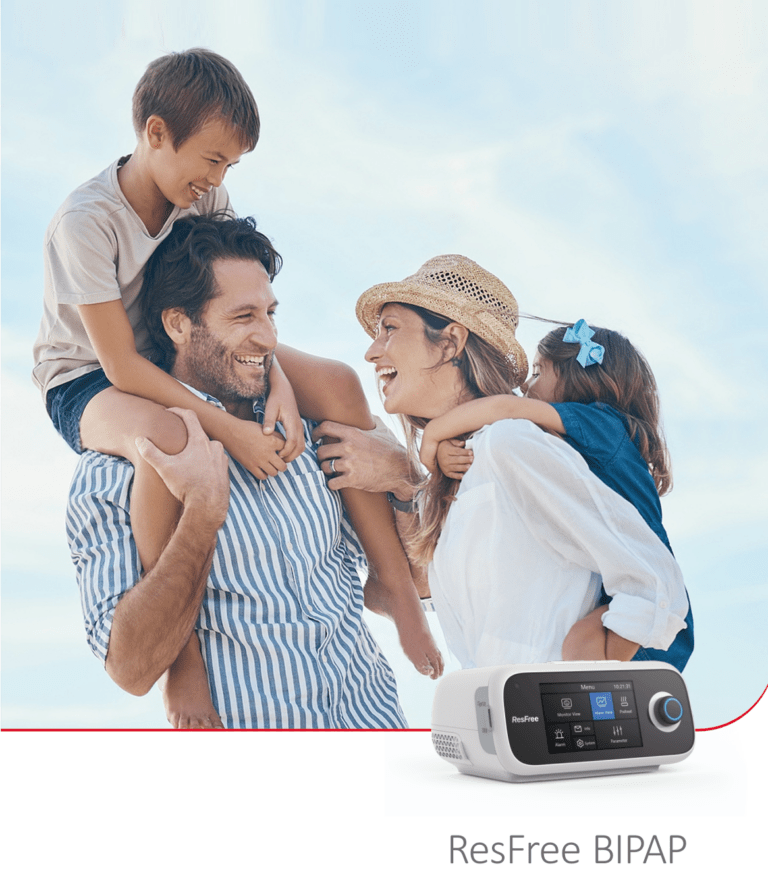
Advisory: three metrics to choose the right device
1) Therapeutic match rate: percent of patient hours where targets (SpO2, PaCO2 range) are met under prescribed settings. 2) Usability index: time-to-optimal setup measured in days or sessions, driven by mask fit and alarm clarity. 3) Maintenance burden: expected service hours per year and availability of replacement parts. Prioritize devices that score well across all three—clinical effectiveness without excessive upkeep wins in practice.
The technical choices professionals make should reduce complications, shorten stabilization time, and improve adherence—practical results you can measure. Byond offers solutions designed around those metrics, integrating user-centered controls and service networks into device selection—clear, measurable value. —