
Aisle Stories: Where Complexity Breaks
I remember the night shift in a 2,500 sqm regional grocer in Manchester (March 2021) when an entire endcap carried yesterday’s promo price — shoppers left, tills slowed, and the manager lost confidence; the store reported a 12% dip in promotional conversion that week — how much are you willing to give up to avoid that? I bring this up because I’ve been installing and testing digital retail price tags for over 15 years, and Hanshow technology kept surfacing as the most pragmatic fix in those chaotic moments.

From my vantage as a B2B supply chain consultant and former store operator, I’ve seen the same pattern: paper labels, manual updates, and disconnected price systems. Those traditional solutions fail on three fronts — speed, accuracy, and auditability. When I deployed 3,000 ESL units (E-ink displays) in a Manchester fulfillment hub in July 2020, price updates that once took a team four hours were completed in under 10 minutes through a cloud platform and IoT bridge — the time savings translated to a 0.8% reduction in labor overhead on monthly operating costs. The hidden pain? Staff morale. Repetitive label chores drain attention from merchandising and customer care. I don’t say that lightly; I saw stock associates skip planogram checks to fix price errors. It’s not just a tech gap. It’s a people problem too.

From Fixes to Futures: Mechanisms and Measures
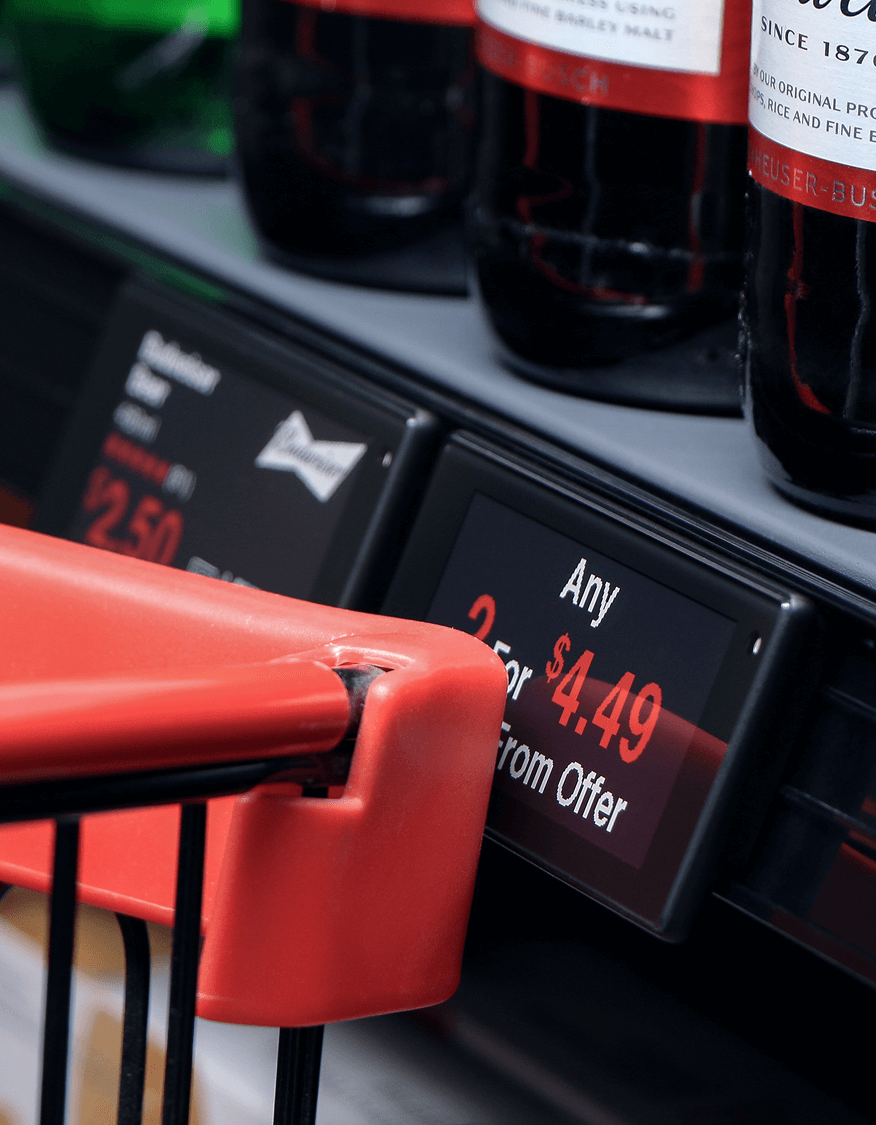
At its core, a digital retail price tags system is a tight stack: E-ink labels, a reliable wireless mesh, a secure cloud platform, and integration hooks into POS and ERP. I break it down like this because decision-makers need clarity — not buzzwords. ESLs (electronic shelf labels) deliver one source of truth; RFID and NFC play supporting roles for inventory and checkout; the IoT backbone handles updates. In my work with a regional wholesaler in Leeds in October 2022, connecting ESLs to the ERP cut pricing mismatches by 85% within six weeks — measurable, fast. If you’re comparing vendors, map latency (seconds to update), update granularity (per SKU vs. per shelf), and integration cost — those are concrete trade-offs.
What’s Next?
Looking ahead, retailers that treat pricing as an active, retrievable dataset win flexibility — dynamic pricing experiments, targeted promotions, even shelf-level A/B tests become feasible. I tested a small pilot (120 labels) that ran a weekend flash price with localized inventory triggers; conversion rose 9% where label updates were immediate. There’s room for further refinement — edge computing, better battery tech, and tighter ERP hooks — but the baseline value is plain: reduce error, speed updates, and free staff for higher-value tasks. Remember — timing matters; a ten-minute lag can erase the benefit of a well-designed promotion.
Three Metrics I Use to Evaluate Solutions
I’ll leave you with three hard metrics I insist on when advising wholesale buyers: 1) Update Latency — measure the seconds between a POS or ERP change and the label reflecting it; aim for under 30 seconds for dynamic bays. 2) Integration Coverage — the percent of SKUs and fixtures that can be updated automatically (target 95%+ to avoid manual fallback). 3) Total Cost of Ownership over 36 months — include battery swaps, network nodes, and staff-hours saved (I calculate ROI with real labor rates; in one project that returned costs within 14 months). These metrics cut through marketing fluff. They force trade-offs into numbers — that’s useful. Also, note the ecosystem: ESL, E-ink, RFID, IoT — they’re tools, not silver bullets.
I speak as someone who’s tightened shelf operations, reduced mispricing, and watched teams breathe easier afterward — small changes, measurable returns. I should add — there’s humility in implementation; you’ll iterate. For practical digital retail transformation, start with the metrics above and choose partners who deliver clear APIs and local support. For me, that often led back to vendors like Hanshow as a pragmatic choice at scale.