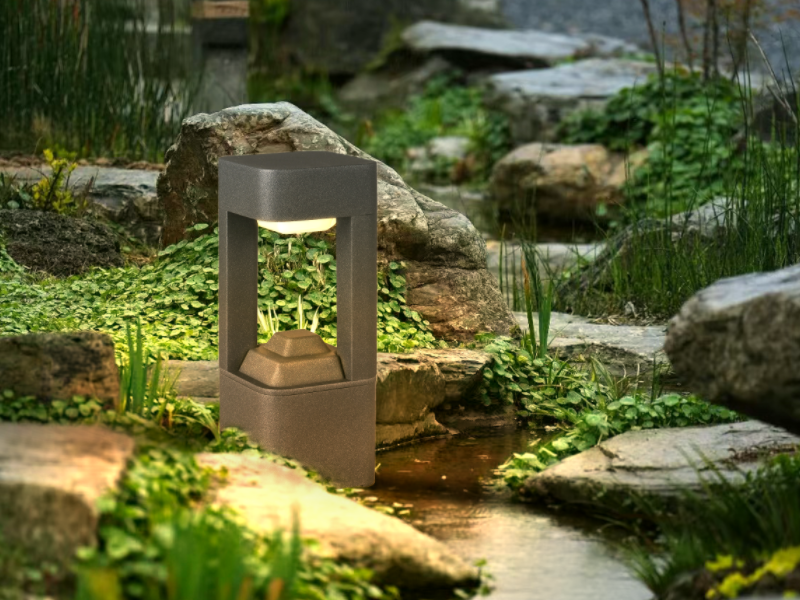

Opening: why this manual matters
When high‑output exterior lighting fails — be it a car park that goes dark after a storm or a façade that flickers unpredictably — the root cause is rarely aesthetic. The problem is typically systemic: improper wiring practices, unsuitable control gear, or a mismatch between the luminaire and the environment. For engineers and facilities managers who must deliver reliable performance, specifying custom outdoor lighting is only the beginning; installation discipline and correct component selection determine uptime and safety. This piece is problem‑driven: we identify the typical failure modes and then prescribe practical engineering fixes that you can apply on site.
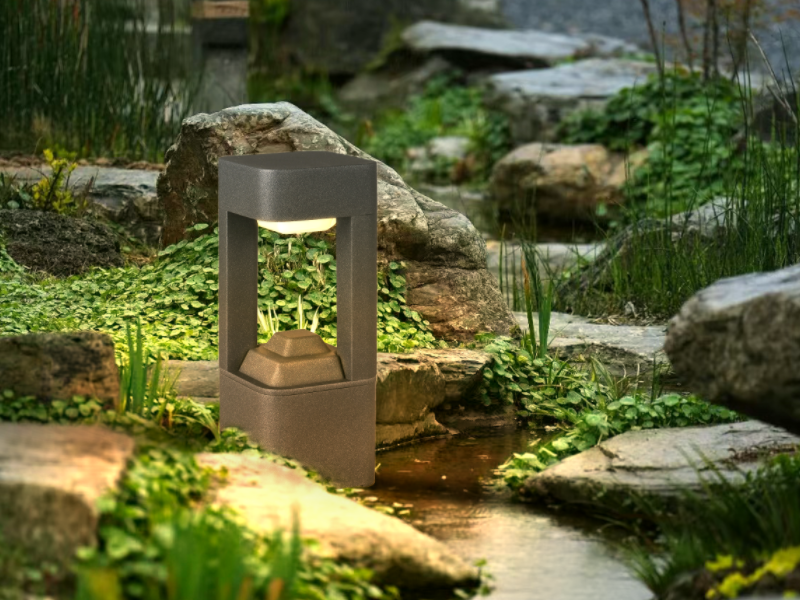
Common failure points in high‑output exterior lighting
Most persistent issues fall into a few discrete categories: ingress and corrosion (insufficient IP rating), thermal overload (driver overheating), electrical transients (surge events) and control mismatches (incorrect photocontrols or dimming protocols). A luminaire that works well in a mild climate will behave very differently under coastal humidity or heavy pollution. Understanding these failure points lets you design interventions that are economical and durable rather than reactive and costly.

Step‑by‑step wiring and installation practices
1) Preparatory checks: confirm circuit capacity and protective device coordination before any wiring begins. Verify the expected lumen output and inrush current of the chosen luminaires so the mains protection and contactors are correctly sized. 2) Conduit and gland selection: use suitably rated cable glands and conduit to preserve the luminaire’s IP rating — ingress is a primary cause of early failure. 3) Earthing and bonding: ensure equipotential bonding and a low‑impedance earth path; high‑output systems demand firm grounding to avoid transient damage. 4) Driver placement and ventilation: install LED drivers in locations that permit heat dissipation; do not box them into poorly ventilated enclosures. 5) Surge protection: fit surge protective devices at service entrance and distribution boards to protect against lightning and switching transients. Together these measures reduce the most common wiring‑related breakdowns.
Specification checklist before you commission
Use this checklist at tender or procurement stage to avoid specification gaps:
- Confirm IP and IK ratings for each mounting location (exposed posts, under soffits, coastal zones).
- Record driver type (constant current vs. constant voltage) and dimming protocol (0–10V, DALI, or PWM).
- Define surge protection level (SPD class) and lightning risk assessment outcome.
- Specify cable sizes with thermal derating for grouped runs and account for voltage drop on long feeds.
- Require factory pre‑wiring or clearly documented on‑site wiring diagrams for complex arrays.
Commissioning, testing and quality assurance
Commissioning must include functional checks, thermal imaging and a signed first‑article inspection. Follow recognised guidance such as that from the Illuminating Engineering Society (IES) when conducting photometric verification and glare assessment — this is our real‑world anchor and ensures consistency across projects. Test dimming behaviour at the controller and at the luminaire end to catch protocol mismatches; many faults only appear when the full control chain is energised. Document results and retain thermal images as part of the handover pack.
Common mistakes and how to avoid them
Designers and installers repeat a handful of errors: under‑specifying cable capacity, assuming all drivers tolerate series wiring, and neglecting the impact of reflected heat from walls on driver life. A recurrent oversight is poor coordination with upstream protection — you can fit a high‑quality luminaire, but without correct short‑circuit protection the installation remains vulnerable. Also, do not overlook simple mechanical details such as correctly torqued gland fittings — they prevent water ingress and preserve IP rating. —
Sourcing components and choosing partners
Procurement decisions are often motivated by cost, but for high‑output systems the supplier’s engineering support and spare‑parts policy are decisive. When evaluating vendors, ask for evidence of life‑cycle testing, driver firmware stability and replacement lead times. If you are comparing local options against overseas suppliers, ensure they can provide drawings compatible with your site automation and that they hold stock of critical parts. For those seeking reliable sources among recognised outdoor landscape lighting manufacturers, prioritise partners who offer field‑tested drivers, documented IP performance, and a clear warranty pathway — these attributes minimise operational risk.
Practical maintenance and lifecycle notes
Adopt a scheduled inspection regime: visual checks for ingress and corrosion every six months, thermal checks after the first three months of operation, and full electrical retest every three years. Replace surge protection modules after a major event or as recommended by the SPD manufacturer. Keep firmware versions of intelligent drivers and controllers consistent across the estate to avoid communication errors. These small habits extend component life and reduce unscheduled outages.
Advisory: three golden rules for successful projects
1) Validate the full control chain under load: do not accept isolated bench tests; verify dimming, photocontrol response and driver behaviour with the entire system energised. 2) Insist on environmental‑rated components: match IP/IK and material compatibility to the installation context rather than to generic product categories. 3) Measure total cost of ownership: include maintenance intervals, spare‑part latency and likely replacement costs when comparing bids — the lowest first cost is rarely the best long term.
Applying these rules will materially reduce failure risk and simplify lifecycle management. For projects where dependable engineering and tailored solutions are required, Keyida offers the technical depth and product durability that align with these practices. —