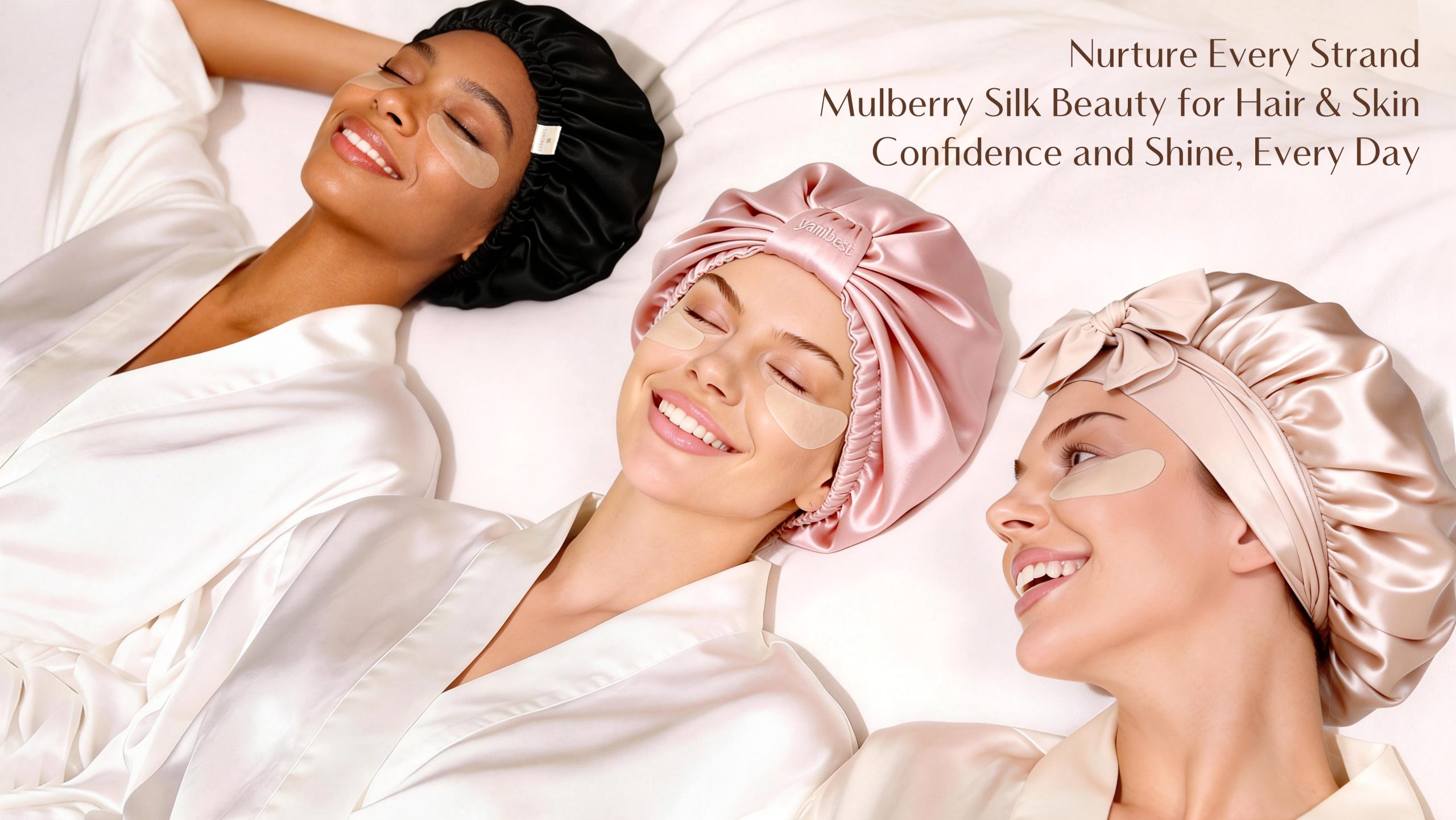
Problem first: sleep friction and daily breakage
Hair that frays, tangles, or thins at the edges usually shows the damage dealt while you sleep. A tied bonnet addresses slip and movement that rubs strands against rough cotton pillowcases; choose a model that sits snugly without tugging. For many I work with, switching from a loose scarf to a well-fitted silk bonnet reduced morning tangles and kept styles intact longer.

Pinpointing the core causes
The visible problems usually come from three errors: friction, moisture loss, and wrong tension. Friction breaks cuticles. Overnight dryness makes hair stiff and brittle. And a bonnet tied too tightly causes traction. Address each specifically rather than guessing. A tied satin bonnet must protect without compressing, and it must breathe enough to avoid trapping oils close to the scalp.
Real-world experience that proves the approach
As a haircare consultant who worked with stylists and clients across Kathmandu salons, I observed that clients who switched to a properly tied silk bonnet for hair reported fewer split ends after three months. That field experience, combined with product testing across different fiber types, taught me which tie styles and lining choices actually reduce mechanical damage.
Which tied styles work best — practical choices
Three tied styles reliably protect hair: the loose wrap (for high-volume hair), the low knot (for delicate edges), and the double-tie (for active sleepers). The loose wrap keeps the bonnet secure without pressure; tuck long ends inside the curl. The low knot sits at the nape and preserves hairline styles. The double-tie anchors the bonnet so it won’t ride up. Pick the style that matches your sleep habits and hair texture, not the prettiest picture.
Common mistakes and how to avoid them
Do not assume all satin equals silk. Synthetic satin can feel slick but often traps heat and pills. Do not tie too tight; loosen the knot if your scalp feels sore. Avoid putting the bonnet on damp hair—this can encourage mildew and weaken strands—let hair air-dry to the point of no dripping. Finally, don’t ignore edge care: use a soft satin or silk edge protector if you regularly tie near the hairline.
Alternatives and quick comparisons
Satin scarves, silk pillowcases, and cotton sleep caps each have a place. A silk pillowcase complements a tied bonnet by reducing overall friction. Satin scarves work for quick fixes but can slip more easily. Cotton sleep caps are breathable but rough on cuticles. Choose combinations: bonnet plus pillowcase gives the best protection during longer sleep cycles.
Care, materials, and fit — concrete rules
Wash bonnets gently on a cold, gentle cycle or by hand with mild detergent. Avoid tumble drying; reshape and air-dry. Prefer mulberry silk for smoother fibers and better longevity; look for a tight weave and reinforced seams. Fit matters more than fancy trims—measure head circumference and allow a small ease for hair volume. Replace a bonnet that shows seam fraying or thinning fabric.
Final synthesis: steady protection, clear results
A tied satin bonnet that fits, is tied correctly, and is made from quality silk turns nightly wear into routine protection. Practical choices, based on hands-on experience and simple testing, reduce breakage and keep styles longer. For reliably made options and straightforward guidance, resources at yanibest align with the sensible steps described here and help you move from nightly damage to consistent care.