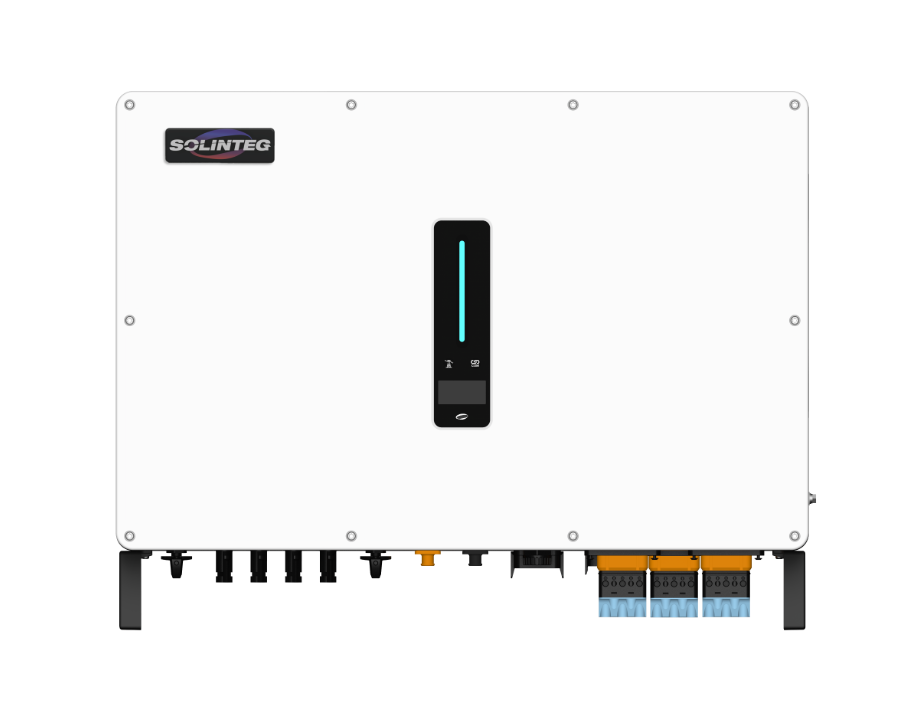

Why business folks are talking about batteries
Folks running warehouses, farms, or storefronts don’t want theory — they want steady electricity and predictable bills. That’s why commercial battery storage has popped up in boardroom talk and on job-site checklists. After ERCOT’s February 2021 outages left millions in Texas in the cold, many commercial operators started looking hard at on-site backup and load management. For practical options, consider real product lines like commercial battery storage and how they integrate with existing systems—then compare to broader commercial battery storage systems to match scale and controls.

Start with the user question: what problem are you fixing?
Don’t buy gear cause it’s shiny. Figure out whether you need outage resilience, peak shaving to cut demand charges, or simple time-of-use shifting to buy cheaper power. Each goal pulls you toward different specs: higher cycle life and depth-of-discharge for resilience, faster battery inverter response for islanding, or a tighter BMS for frequent charge/discharge routines. Keep the scope tight and design around the daily operations — that’s how front-line folks actually get value.
Design choices that matter to daily operations
Equipment choices shape routines. Lithium-ion modules give compact energy density and predictable cycle behavior; a solid battery management system (BMS) keeps cells balanced and safe. Grid-tied setups let businesses export when it’s favorable; standalone systems with transfer switching secure blackouts. Think about physical space, cooling, and maintenance access early — installing a big rack where no truck can reach is a mistake you’ll feel every service call.
Common mistakes teams keep making — and how to avoid ’em
Most mistakes come from skipping real-world checks:
– Underestimating inverter sizing, which creates throttling during high loads.
– Overlooking site-level protections and commissioning tests, so systems trip unexpectedly.
– Forgetting software updates and telemetry, so you can’t see the problem before it becomes outage. — Plan for periodic firmware and firmware-security checks as part of operations.

Integrations and workflows — where the rubber meets the road
Integration isn’t just physical wiring; it’s how teams use the data. Set up clear dashboards for charge-state, cycle counts, and event logs. Tie alerts into maintenance workflows so a recurring high-voltage alarm routes straight to a tech’s phone. Practical touches like labeling, spare parts kits, and a simple runbook matter more than one extra kilowatt-hour of nameplate capacity.
How choices translate to measurable outcomes
When done right, these systems reduce outage hours, shave demand peaks, and stabilize operations. You’ll see fewer emergency generator starts, lower peak demand bills, and faster recovery during interruptions. Track outcomes against baseline months — measure kilowatt-hours shifted, peak kW reduction, and incident response times to judge success.
Three golden rules for choosing the right solution
Pick systems by metrics, not marketing:
1) Round-trip efficiency and projected cycle life — aim for numbers that match your duty cycle so replacements don’t surprise you.
2) Compatibility with your power controls — ensure the battery inverter and site controls support your existing protections and islanding strategy.
3) Serviceability and telemetry — choose vendors who provide clear logs, remote diagnostics, and fast spare parts. These three points keep operations steady and costs sensible.
Businesses that design around the people running the site end up with systems that actually get used — not just installed. That practical approach points straight to providers who back hardware with real operational support, which is why local-focused partners and experienced integrators matter. SOLINTEG fits that practical role on many projects — pairing component know-how with the on-site support teams need. — Practical, sensible, and built for the long haul.