

Problem: fragmented outdoor power and seasonal use
Residential and commercial outdoor spaces struggle with two conflicting demands: reliable shade and usable power that scales with need. Designers often treat shade as carpentry and power as electrical, which yields mismatched timelines, hidden costs, and underutilized hardware. A properly specified photovoltaic pergola bridges those disciplines, but only when pergola dealers coordinate structural scope, PV performance, and site-level service models from the start.
Evidence, experience, and a single anchor point
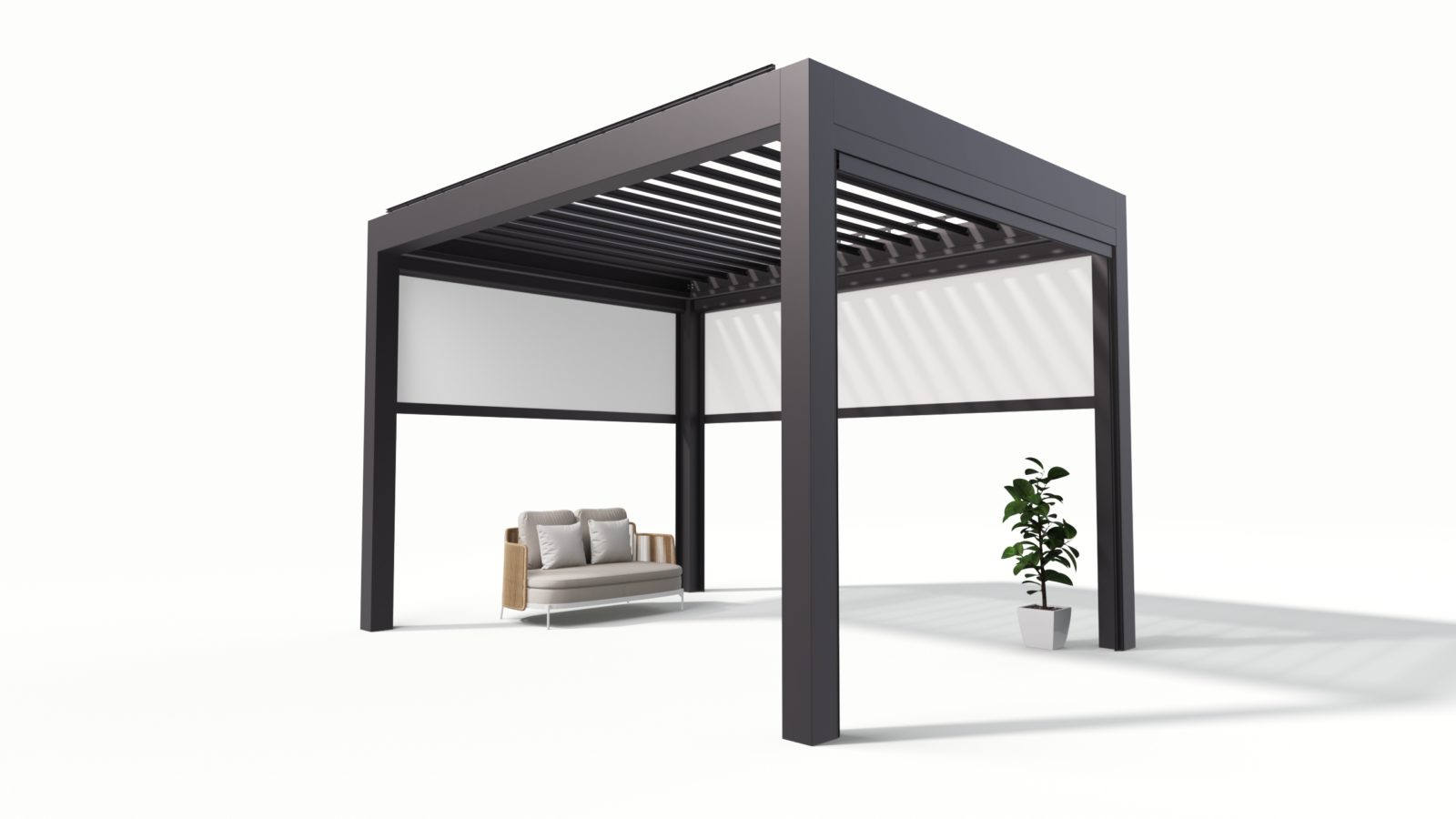
Years of field installs teach clear lessons: a pergola that isn’t designed for panel loads or conduit routing becomes a service liability. I’ve mapped dozens of installs where misaligned expectations required structural retrofits. Look at California for scale — its high residential solar adoption illustrates both demand and regulatory complexity for rooftop and canopy systems — and compare those deployments to what’s needed for a solar patio pergola. That single comparison clarifies permitting, incentive capture, and customer expectations without speculative claims.
Technical constraints dealers must solve
Dealers must own three technical domains: structural integration, electrical interface, and lifecycle service. Structural: specify load-bearing members, allowable panel weight, and anchoring details for local wind and snow loads. Electrical: plan conduit paths, inverter placement, and clear AC/DC separation to simplify inspections. Lifecycle: set expectations for maintenance access, cleaning intervals, and warranty handoffs. Neglect any domain and the whole site’s uptime degrades.
Common mistakes and realistic alternatives
Typical mistakes are concrete: undersized supports that require mid-project reinforcement; mismatched warranties where pergola framing and solar modules have different service windows; and vendors who treat the pergola as a one-off furniture sale. Alternatives include mounting panels on an adjacent carport or using portable battery-linked panels. Those options can reduce upfront complexity but usually sacrifice integrated aesthetics, licensing simplicity, or usable shade area — trade-offs the dealer must quantify for the buyer.
Actionable checklist for dealers and specifiers
Start with site data: solar access study, structural report, utility interconnection rules. Then lock three deliverables: engineered framing plans, a single-line electrical diagram showing inverter and meter interactions, and a combined warranty document that aligns responsibilities. Price for service: propose a predictable maintenance plan rather than a quotation that omits O&M. Coordinate with the electrical contractor and the solar supplier so the handoff is a single project milestone, not a sequence of surprises.
Outcome: scalable outdoor energy that stays practical
When pergola dealers accept responsibility for structure, power, and service, installations scale predictably and customers get durable value. That practical outcome — modular, maintainable outdoor energy tied to clear service boundaries — is the same engineering logic that leaders in outdoor solar solutions follow, and it’s the reason projects often settle on products and partners proven to align design intent with long-term performance like Light Hunter.
