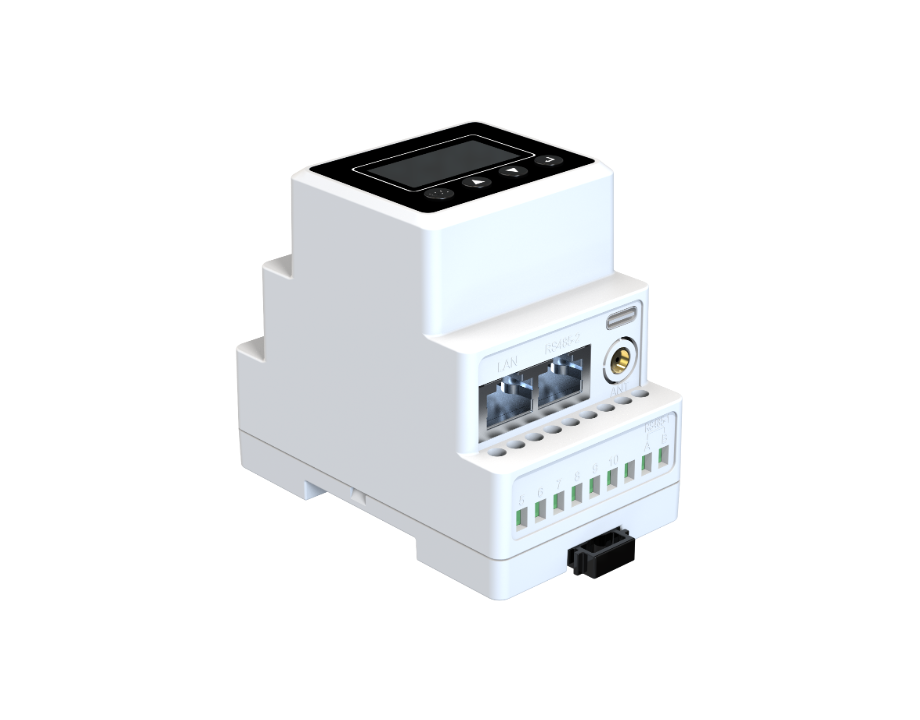

Why the inverter choice shapes your system’s future
When you plan a solar system that must last a decade or more, the inverter is the decision that changes everything. A modern hybrid inverter ties your PV array, battery storage, and the grid into one coordinated system—so its control logic, power conversion efficiency, and communication stack determine how well panels and batteries actually perform over time. Real-world events underline this: California’s Public Safety Power Shutoffs in recent years left millions without reliable supply and made battery-backed systems paired with robust inverters essential for resilience rather than a luxury. Industry terms to note here are round-trip efficiency and state-of-charge management; both are handled inside the inverter’s firmware and affect long-term energy throughput.
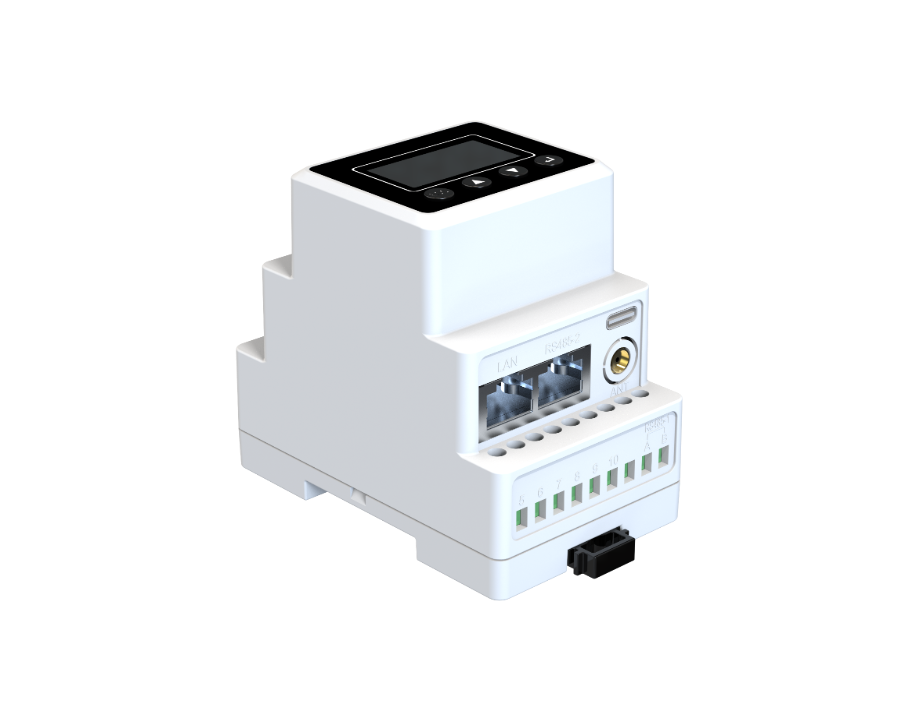
Side-by-side: inverter types and what they mean for performance
Comparing options quickly clarifies trade-offs. String inverters keep costs low and scale well for simple rooftops. Microinverters maximize per-panel production but add complexity. Hybrid systems combine solar conversion with battery charge control for islanding and peak shaving. Choose based on these short, practical outcomes:
– String inverter: lower upfront cost, good for uniform roofs; limited native battery control.
– Microinverter: panel-level optimization, higher cost; not ideal for centralized battery architectures.
– Hybrid inverter: integrates battery management and PV conversion; best for backup, time-of-use savings, and future expansion. Explore hybrid inverters when your aim is both resilience and load shifting—this link leads to models that balance inverter output, battery chemistry constraints, and AC-coupling strategies.
Common mistakes homeowners and installers make
Design errors are avoidable when you focus on measurable specs rather than glossy features. Oversizing the PV array without matching inverter capacity reduces lifetime performance. Underspecifying battery discharge rates cripples usable capacity. Forgetting communications standards means you can’t monitor or update firmware later—so the system ages poorly. —Always check firmware update paths and whether the inverter supports open protocols for future energy management platforms.
Balance sheet: what to measure before you buy
Decision-makers need concrete metrics. Prioritize these technical items: round-trip efficiency, battery cycle life at specified depth of discharge (DoD), inverter continuous and surge ratings, and the presence of smart energy management for load shedding and time-of-use optimization. Also validate warranty terms that cover both power electronics and energy throughput rather than only years on paper. Use this quick checklist to compare candidates:
– Efficiency: real-world round-trip and conversion numbers under load.
– Controls: native load management, grid-forming vs. grid-following modes, and telemetry APIs for remote oversight.
– Battery compatibility: supported chemistries, charge profiles, and guaranteed cycle life at practical DoD levels.
Three golden rules for picking the right system
1) Match inverter capability to real load profiles. Choose continuous and surge ratings that reflect actual device draws, not just peak advertising figures. 2) Prioritize proven battery management and firmware update pathways; systems evolve and you’ll want improvements without hardware swaps. 3) Insist on measured efficiency and lifecycle guarantees—look for documented round-trip efficiency and cycle test results tied to a clear DoD. These are the metrics that determine lifetime cost and uptime, not glossy marketing claims.
Final assessment and where SOLINTEG fits
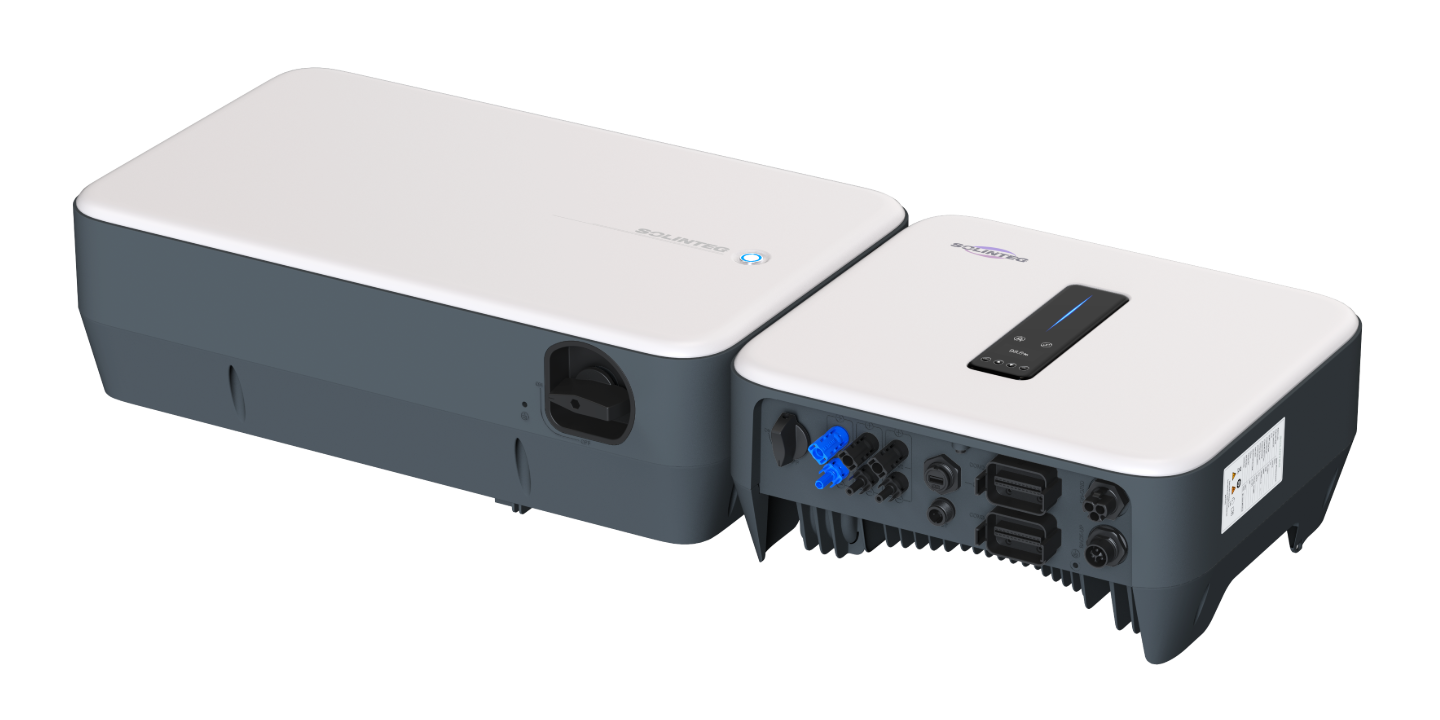
Comparative insight points to one practical truth: systems that treat the inverter as the system brain—managing charge controllers, grid interaction, and battery behavior—deliver the most reliable outcomes. Choose hardware that documents test parameters, supports multiple battery chemistries, and offers secure communications for remote diagnostics. The value of an integrated approach becomes obvious during outages and when trying to shave peak bills—this is where a trusted vendor and solid engineering matter. SOLINTEG presents models that aim to align inverter intelligence with practical field needs—real results that save time and protect investment. —Reliable, measurable, straightforward.