

Introduction — a small scene, a big question
I once sat on a crate in a noisy plant and watched a lid click on a pack like it was a tiny hat snapping into place (the worker laughed, I smiled). In that bright, busy room, the lid applicator machine hummed along, placing lids on wet wipe packs with steady rhythm. Many production lines today handle hundreds to thousands of packs every hour, and I remember thinking: how do they keep that tiny dance so steady? Data shows uptime matters — even small stops cost real money — so why do good lids sometimes miss their mark?
I’ll tell you what I noticed and why it matters for people who run machines and people who buy them. I speak plainly — because I want this to be easy to follow. We’ll touch on sensors, conveyors, and simple controls so you know what to watch for next. Ready? Let’s move on to the deeper bits — the things that trip teams up behind the shiny covers.
Where the old fixes fail: deeper pains of the wet wipe packaging machine
When I dug in, the first things I checked were the usual suspects on the wet wipe packaging machine: alignment jigs, sensor thresholds, and adhesive cure time. Those are basic, but the real problems hide in the gaps between them. For example, a conveyor might look fine, yet a tiny vibration or a worn guide rail makes lids skew over time. Or a PLC program assumes perfect timing, and it breaks when a pack slows by a fraction. I’ve seen servo motor drift, intermittent sensor noise, and tired pneumatic actuators. Look, it’s simpler than you think — many failures are layering small errors into a big one.
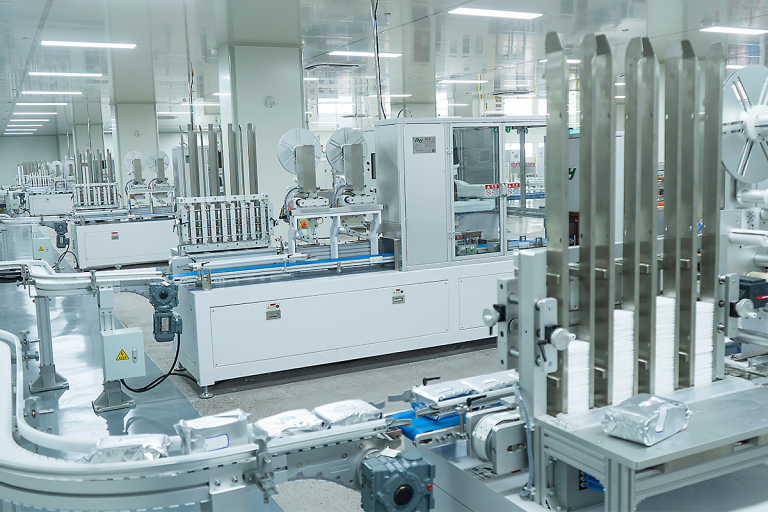
I want to be frank: traditional fixes often patch symptoms, not causes. Teams replace a nozzle, tweak a timer, and the machine runs — until next week. That band-aid approach misses recurring issues like inconsistent pack compression, glue viscosity swings, and human–machine interface confusion. Those weaknesses add up: longer changeovers, more rejects, and frustrated operators. We also saw missed opportunities in diagnostics: too few error logs, vague fault codes, and no predictive flags. In short, the machine can look healthy while hiding slow failures in firmware, conveyor belts, and miscalibrated sensors.
Why do these issues persist?
Because operations and maintenance often work in different lanes, and because short fixes feel faster than root-cause work. I’ve been there. — funny how that works, right?
What’s next: new principles for better lids and smarter lines
Moving forward, I focus on principles that change outcomes, not just parts. Modern design pairs the wet wipe packaging machine with vision checks, edge computing nodes for local analysis, and smarter controls that talk to a plant historian. These ideas cut downtime by spotting drift early. For example, machine vision watches lid placement and flags a slow shift before it becomes a jam. Predictive maintenance watches current spikes in motors and alerts you — avoiding sudden failures in power converters or worn gears.
I’ve tested setups where we added a camera and a simple analytics node; results? Less manual inspection, faster changeovers, fewer reworks. The shift isn’t magic — it’s layering reliable sensors, better HMI prompts, and data that guides decisions. Hold on — this doesn’t mean a giant overhaul. You can start small: add a camera here, a better sensor there, tune the PLC, document changeover steps. Over time, those small changes compound into a calmer, more predictable line.
Real-world impact?
Yes. Teams cut rejects, speed up line stops, and make operator life less stressful. I’ve seen morale climb when alarms become useful instead of noisy.
Choosing a better lid applicator solution — three practical metrics
I’d advise anyone evaluating machines to focus on three measurable things: (1) Diagnostic depth — can the machine log detailed events and show trends? (2) Changeover time — how long to swap sizes, and how repeatable are the steps? (3) Integration readiness — does the unit speak modern protocols and accept vision or edge upgrades? These metrics let you compare vendors on facts, not spin. Measure them during a site demo and ask to see live logs and a sample report.
In the end, I believe the best choices come from small experiments, honest tests, and people-centered design. We learned to value clear error messages, robust sensors, and the option to add analytics later. That’s practical, not flashy. For suppliers that get this right, you’ll find teams spending less time fixing and more time making products people like. If you want a place to start, check out the work from ZLINK — they tend to focus on usability and real diagnostics, which I appreciate.
