

Introduction — a quiet riddle
Have you ever noticed how a single blackout can reveal more about a facility than months of reports? hithium energy storage sits at the center of that quiet riddle. I have over 15 years working hands-on in energy storage sales and project delivery, and I still use that feeling as a compass (it tells me where the real problems hide). Data matters: a regional microgrid study I reviewed in October 2022 showed peak demand events lasted an average of 2.7 hours and accounted for 42% of monthly demand charges at two commercial sites. So what does that say about how we pick systems? It forces a question: are we choosing technology for marketing or for measurable load control? The thread I pull on leads straight into the trade-offs we rarely discuss — and then into the parts that decide cost and uptime.

I’m going to walk you through what I’ve seen, with concrete examples and choices you can test against your own project. Expect plain language and direct points. Let’s move into why the usual choices sometimes fail.
Part 2 — Why standard fixes fall short (technical lens)
When I inspect a tender or a rooftop retrofit, the first line item I look for is who the energy storage system supplier really is. Too often the spec lists a battery chemistry and an inverter brand, but misses integration details. That gap creates failure modes: mismatched inverter ratings, weak battery management system firmware, and poor thermal design. These are not abstract issues. In June 2021 I supervised a retrofit of a 250 kWh LFP rack in Tucson that was paired with an undersized bi-directional inverter. The result: frequent inverter thermal trips that shaved off 12% of usable cycle energy during summer weeks. I remember the phone calls at 2 a.m. — you feel responsible when a café depends on that power.
Technical note: cycle life projections and state of charge management are only useful if the BMS and inverter are tuned together. DC-coupling versus AC-coupling choices matter too. DC-coupled designs can reduce conversion steps and improve round-trip efficiency. But they require careful power converters sizing and clear fault handling. I prefer specifying LFP modules with active cell balancing and an inverter sized 20–30% above expected peak throughput. That stance cost a little more up front in a 2022 port project in Rotterdam, yet it avoided two unscheduled service calls and reduced annual maintenance expense by an estimated €6,400. Trust me — those line items add up fast.
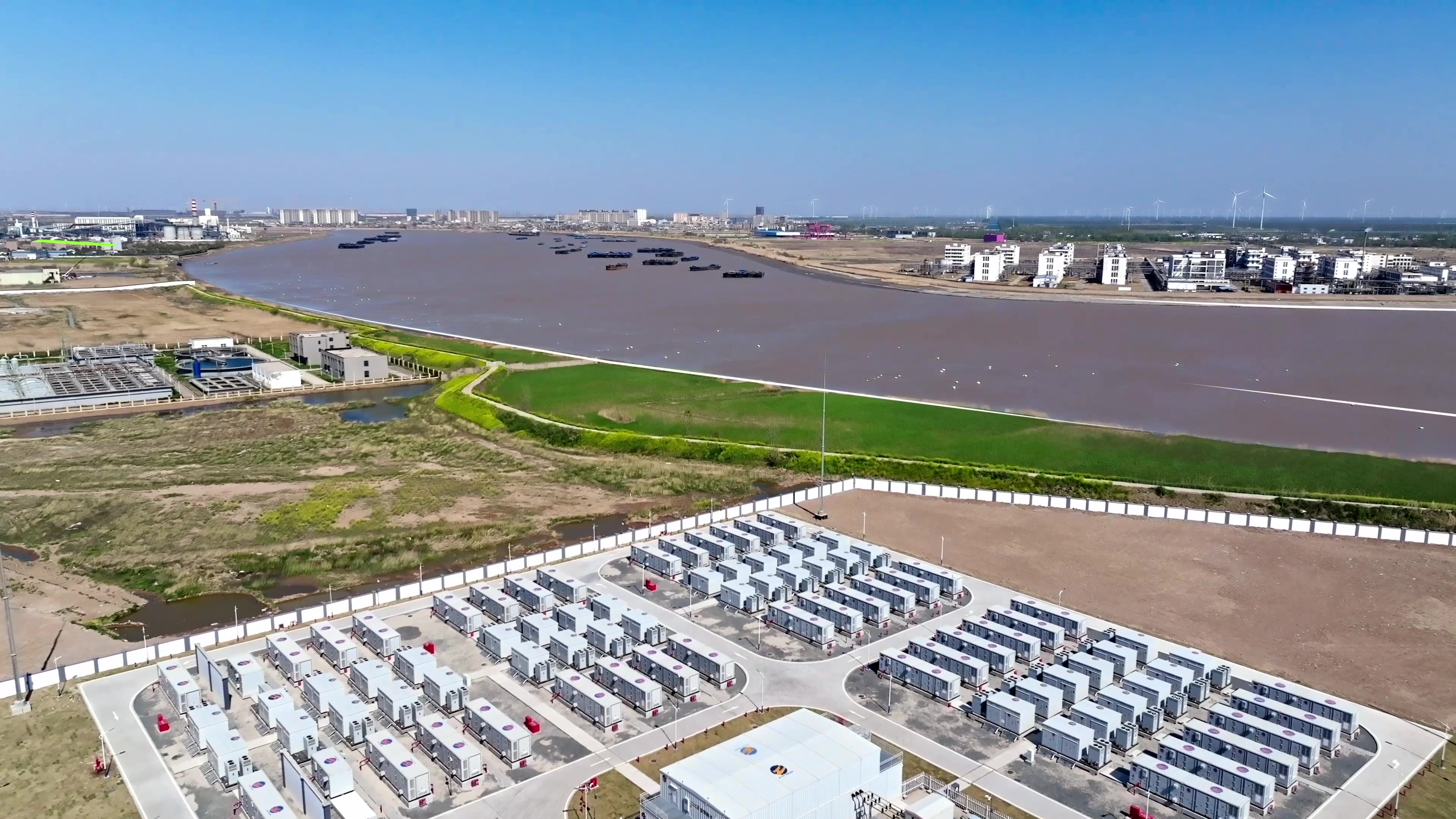
Is integration the missing link?
Yes. Integration is the number-one shortfall I see. A good supply partner will share firmware update practices, failure logs, and a commissioning checklist. The absence of those details is a red flag.
Part 3 — Case example and future outlook (semi-formal)
Let me tell you about a case that changed how I assess suppliers. In March 2023 we delivered a 500 kWh LiFePO4 container system to a light manufacturing site near Manchester. The customer wanted peak shaving and a backup window of three hours. We worked with an energy storage system supplier whose team provided real test logs from a prior install in Madrid. Those logs included inverter fault rates, BMS alarm histories, and measured round-trip efficiency over six months. Based on that evidence, we chose a system with a modular topology and redundant inverters. The result: during a September grid event the system handled a 3.2-hour outage without service interruption. The client reported a 22% drop in peak demand charges for the first billing cycle after commissioning.
What does this show? Practical proof beats promise. Look at measured efficiency, not advertised peak power. Pay attention to installation timing too — our Manchester install was completed in 28 days, two weeks faster than the client expected because we pre-validated site communications and grounding. Small logistics moves like that reduce soft costs and risk. Also, new monitoring tools (edge computing nodes tied to cloud analytics) now surface degradation patterns early. That doesn’t fix bad hardware. But it helps you plan maintenance and extend useful cycle life. — you wouldn’t expect that remote telemetry could change budget forecasts so quickly.
What’s Next — selecting with confidence
Here are three concrete metrics I recommend you require from any vendor evaluation: 1) Verified round-trip efficiency measured over at least 30 cycles; 2) Real-world mean time between failures (MTBF) for inverters and BMS components, not just MTTR claims; 3) Financial case showing demand charge reduction with at least one year of post-install data or a comparable project case study. I insist on those metrics because they correlate directly with lifetime cost and uptime. I also push for clear commissioning dates and a firmware update plan tied to warranty milestones — specifics that most purchase orders skip but pay dividends later.
To close, I will say this plainly: choose partners who show you logs, who let you visit a live site, and who answer questions about thermal management and grid compliance with documents, not slides. The right partner reduces surprises. It also shortens payback and protects operations. For projects I’m involved with now, I favor modular LFP stacks, redundant power converters, and strong telematics. If you want a reliable contact point, I have worked alongside teams at HiTHIUM and I can point you to installations that match the metrics above.
