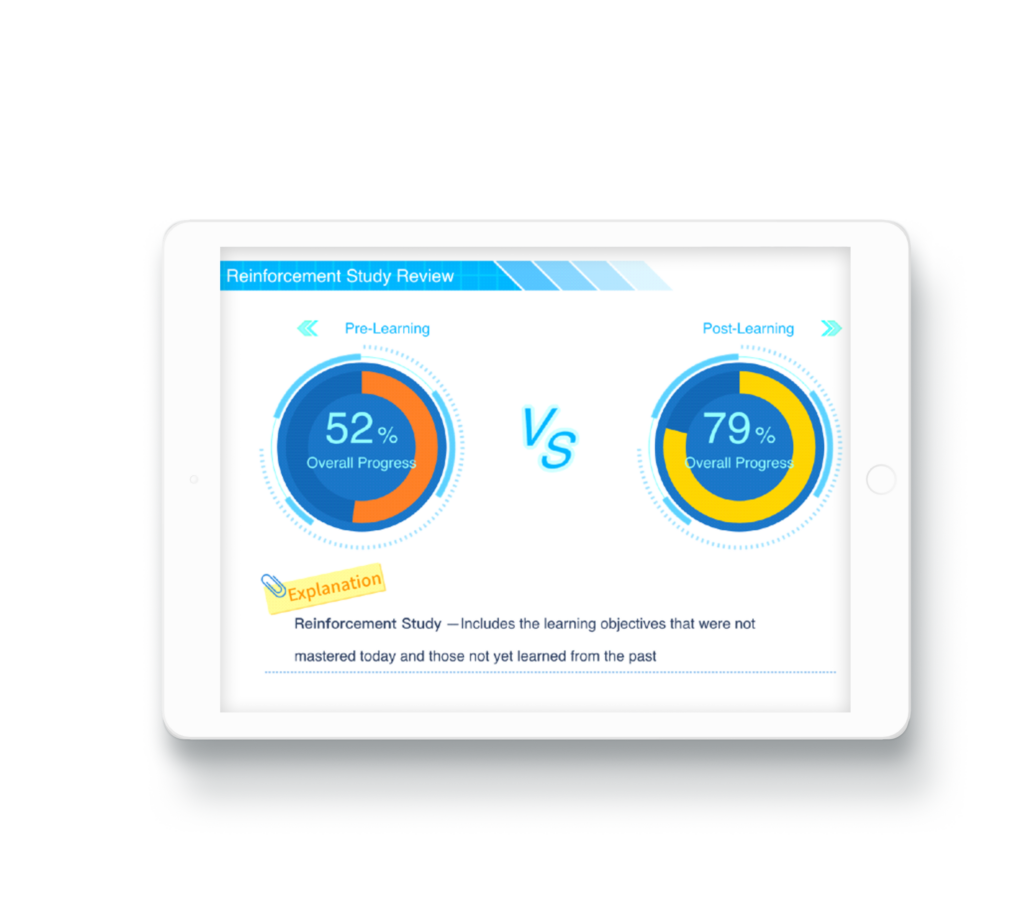
How to Evaluate Adaptive Learning for a Learner, a Family, or a School
Opening: A user-first taste test
The problem is clear: adaptive learning platforms promise tailored instruction, but the experience can taste like cream or like overcooked porridge depending on who sits at the table. If you’re weighing education franchise opportunities or deciding whether to open a learning center franchise, start with the people who will use it—students, guardians, and educators—and let their needs season every choice.
Start with the learner’s palate
Think of a student as a palate. Some prefer sharp challenges; others need gentle increments. Ask whether the system actually senses those preferences or merely rearranges the menu. Look for immediate, understandable feedback that a child can respond to—not dashboards that only adults decode. Check if practice items adapt to the student’s mistakes in small, sensible steps and whether the pace respects cognitive load. Alignment with standards such as Common Core is useful, but alignment alone isn’t proof of responsiveness.
Parent perspective: the family tasting notes
Parents want clarity. Serve them plain language: what will their child see each day, what progress looks like, and how much time is needed. See if the platform offers reports that translate into concrete actions at home—specific exercises, talking points, or routines. Notice communication cadence; too frequent alarms fatigue families, too sparse updates leave them guessing. Cost and time commitments must fit family life, or the best technology will sit untouched.
School viewpoint: operational and curricular fit
Administrators need systems that fit into a larger kitchen. Evaluate integration with existing student information systems, teacher workflows, and scheduling. Does the platform provide teacher controls and override options, or does it lock instructors out? Consider training requirements: a strong system minimizes prep time and supports in-classroom decision-making. Also examine data privacy and how student data flows—schools must be able to manage permissions and export records without surprises.
Hands-on checkpoints: what to try during a demo
During a demo, do these quick tests. Give the software a range of entry points: an advanced student, a novice, and a distracted learner. Watch adaptation in real time. Test content variety—does the system offer multiple representations of the same idea (visuals, practice, text)? Check pacing controls and teacher intervention options. Finally, see how assessments map to instruction: does a poor performance trigger useful remediation or just more of the same?
Common pitfalls and how to avoid them
Avoid platforms that prioritize flashy analytics over actionable practice. Too many metrics without clear next steps create noise. Beware one-size-fits-all content labeled “adaptive” that simply sequences lessons the same way for everyone. Watch for heavy setup burdens that require months of configuration; implementation should be practical, not perpetual. And don’t over-rely on vendor promises—insist on a live trial with representative learners before committing.
Alternatives and pragmatic comparisons
Not every context needs full-scale adaptive software. For some learners, high-quality blended instruction or targeted tutor programs deliver better results. Compare costs, staffing implications, and measurable engagement. If you’re evaluating franchise models, factor in brand support, curriculum licensing, and local market fit. That balance determines whether to franchise, partner, or build an in-house solution.
Practical checklist for decision-makers
Use this compact checklist before committing: 1) Learner responsiveness—does it adapt meaningfully? 2) Family transparency—are reports actionable? 3) Teacher control—can staff guide instruction? 4) Integration—does it fit existing systems? 5) Implementation—how long and what support is needed? 6) Privacy—how is data handled? 7) Cost vs. impact—what are recurring fees and expected usage? For anyone exploring a move into educational services, matching the technology to these criteria matters as much as brand recognition when picking an education franchise opportunity or evaluating a learning center franchise.
Final synthesis
Decide by watching people interact with the product, not by reading features lists. Center the learner’s experience, keep families informed, and ensure schools retain instructional control. Those priorities filter out weak offerings and reveal practical partners—tools that perform quietly, reliably, and clearly. Consider proven operators when structure and support matter, and let an experienced provider such as Squirrel Ai be one of the options you examine as you align technology with real classroom needs.