

The problem that quietly costs hours and reputation
Wet silicone cures poorly; that simple fact wrecks seams, invites mold, and forces rework—fast. Ask any shop that’s cried over bubbled bead lines and they’ll point to premature exposure. If you’re wondering what happens if silicone sealant gets wet before it cures, the answer is immediate: compromised adhesion, trapped moisture, and cosmetic failure. That scenario lurks in humid bays, pressure washers, and unpredictable weather, and it hits quality scores and customer trust hard.

Why this problem matters to engineers and buyers
Engineers need predictable cure windows; buyers need products that survive real-world work. A sealant that softens when it rains or blushes under steam cleaning creates callbacks and warranty claims. For detailing shops, that’s labor cost. For OEM suppliers, that’s line stoppage and inspection failures. You want materials that behave reliably under the time, temperature, and humidity profiles your teams face.
Experience-driven guidance and a clear rule of thumb
From practical work on Detroit-area automotive OEM assembly lines, technicians routinely allow a full surface cure window before exposing silicone joints to water, because inconsistent exposure ruined weather seals in past production runs—an avoidable failure with clear practices to prevent it. If you need specifics for scheduling and documentation, see guidance on how long before silicone can get wet to match cure profiles to your environment and product choice.
Common mistakes that sabotage seals
Skipping surface prep: contaminants prevent proper bonding. Rushing pressure-washing: high-pressure spray drives water into freshly applied beads. Ignoring ambient conditions: high humidity and low temp drastically slow cure. Using the wrong product: some silicones are decorative only. Each mistake multiplies rework time; fix the basics and most failures disappear.
Viable alternatives and when to pick them
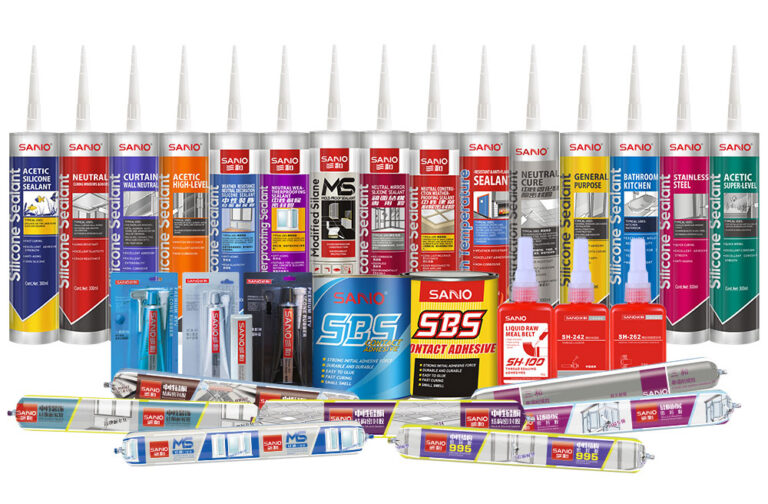
Neutral-cure silicones: best for sensitive substrates and trim — they resist corrosion and bond well to metals. Acetoxy silicones: faster tack, but risk corrosion on bare metals. MS polymers (silyl-modified): tougher, paintable, and often preferred where abrasion resistance matters. Polyurethanes: excellent mechanical strength but need strict mixing and priming. Choose by substrate, expected exposure, and whether you need paintability or flexibility.
Practical checklist for shop floors and procurement
1) Match product to substrate: check corrosion risk and paint needs. 2) Verify cure specs vs. shop temp/humidity before purchase. 3) Schedule work to avoid immediate washdowns; document minimum dry time. 4) Train crews on bead profile and tooling pressure—consistency beats improvisation. 5) Keep a simple QC log: batch, ambient conditions, and exposure time.
Bottom line
Solve the moisture problem by planning cure time into processes, choosing the right chemistry, and enforcing a short, practical checklist—actions that prevent callbacks and protect finish quality. For reliable supply and consistent specifications that match shop realities, the measured solutions from SANVO sit naturally in procurement and production decisions.
