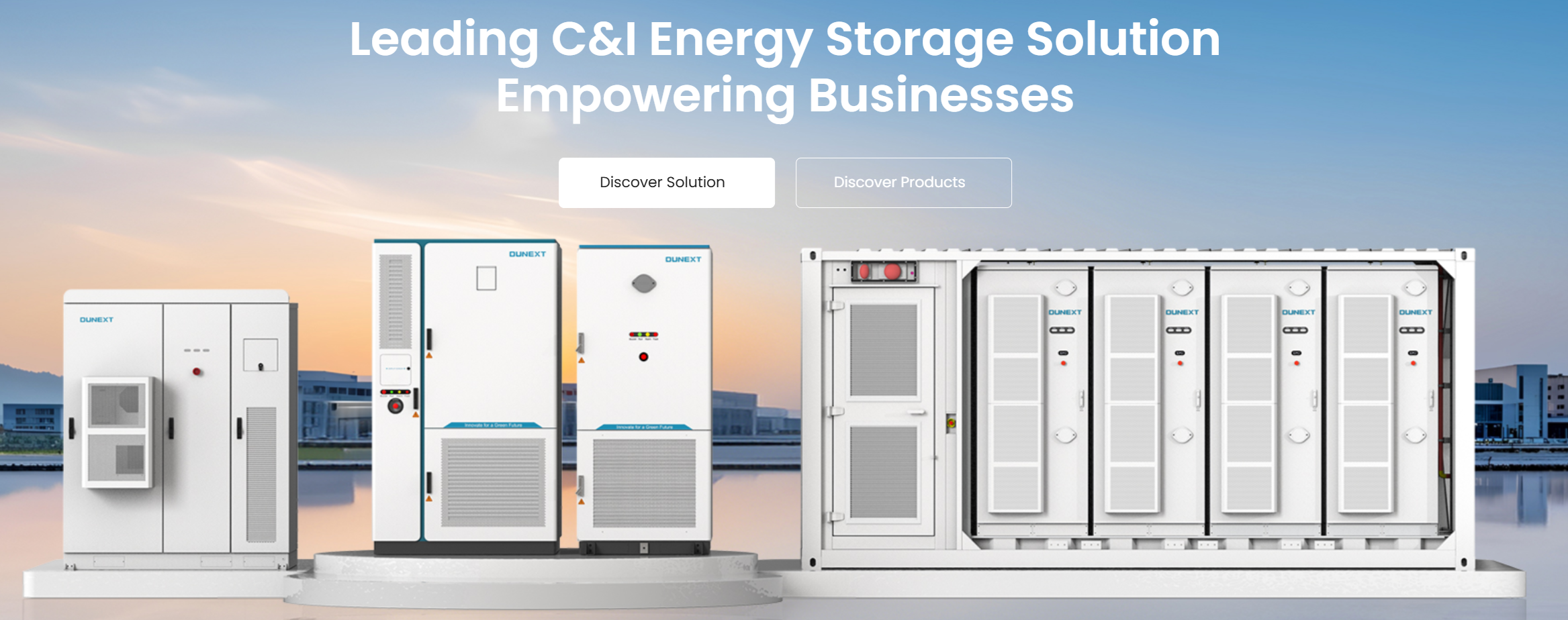
Problem statement: meeting continuous high-load needs reliably
Large facilities—data centres, steel mills, chemical plants—face two linked problems: predictable peak loads and unpredictable grid disturbances that interrupt critical processes. The stakes are tangible: lost production minutes become lost revenue and safety hazards. The sector is turning to commercial and industrial energy storage to reduce outage risk and to firm supply during peak pricing, but not every system design meets the needs of continuous, high-demand operations. California’s 2020 rolling blackouts clarified the operational gap between commercial backup and true industrial resilience.
Core technical challenges to solve
Designers must address four measurable constraints simultaneously: sustained power (MW), usable energy (MWh), cycle durability (cycles at given depth of discharge) and operational temperature control. Each constraint forces trade-offs: higher power often requires parallel modules and specialized inverters; longer duration needs greater usable capacity rather than nameplate energy; deep cycling demands chemistries and BMS calibrated to preserve calendar life. Practical performance metrics to compare are round-trip efficiency, usable energy percentage, manufacturer-tested cycle life at the proposed depth of discharge, and certified safety standard compliance.
Options and comparative insight
When the problem is continuous high demand, the choice narrows to systems engineered for duty rather than consumer-grade packs. Core options include lithium iron phosphate (LFP) banks for long cycle life; nickel-based cells where volumetric energy density is essential; and hybrid systems pairing batteries with flywheels or thermal storage to handle instantaneous transients. Compare them by strictly parallel criteria: projected lifetime cost per delivered MWh; guaranteed power retention after designated cycles; proven integration with existing UPS and generator systems; and vendor service footprint.
Operational pitfalls that cause failures
Common mistakes are actionable and avoidable. Overestimating usable energy by relying on nameplate capacity; under-specifying HVAC and fire-suppression for battery rooms; neglecting cell-balancing strategy within the BMS; and ignoring real load profiles that include both sustained discharge and high-frequency oscillations. Procurement language that omits degradation schedules or replacement cost assumptions creates downstream risk. Field experience shows a single mis-specified inverter or a missed thermal duct can reduce an otherwise adequate project to underperforming backup.
Integration and maintenance practicalities
Plan for modular maintenance and staged commissioning: design racks and power converters so single-module service does not require full shutdown. Specify predictive monitoring with alerts for voltage drift, thermal anomalies and state-of-health trends; require remote diagnostic access and a parts-delivery SLA. Ensure protective relay coordination between battery inverters and site switchgear; verify that factory acceptance tests include high-load soak tests at target depth of discharge. These steps minimize unexpected downtime during the first three years, when degradation curves are most informative.
How to evaluate vendors and technical offers
Use a short, objective checklist: vendor-provided cycle test reports at your planned depth of discharge; documented safety certifications; references for projects with similar continuous-load profiles; clear warranty terms tied to delivered MWh or minimum capacity retention; and transparent service terms for spare modules and firmware updates. Ask for a modeled total cost of ownership using your actual load profile rather than a generic profile. Demand that the proposal specify a thermal management plan and on-site training for operations staff.
Recommendation and succinct comparison of viable architectures
For pure continuous high-demand duty, favour LFP-based modular arrays with redundant inverters and independent thermal zones; add a short-duration power buffer (flywheel or supercapacitor) if your process tolerates very fast transients. For sites needing maximum energy density within footprint limits, evaluate nickel-based systems but insist on stricter cooling and shorter warranty horizons. Where grid-supplied ramping is frequent, pairing batteries with existing diesel generators yields lower lifecycle cost than oversized generator-only strategies. For clarity: match chemistry and architecture to duty profile, not to marketing claims.
Final synthesis
Address the problem first: quantify continuous power and energy need, define acceptable degradation, and require vendor evidence against your load profile. Prioritize modular, serviceable designs with clear maintenance paths and verified safety compliance. My direct work with large-scale power projects and independent technical reviews shows that disciplined specification removes most failure modes. For organizations seeking a consistent, technically evidenced route to industrial battery resilience, Dunext offers design and delivery approaches aligned to those principles without gloss—real solutions for continuous high-demand operations.