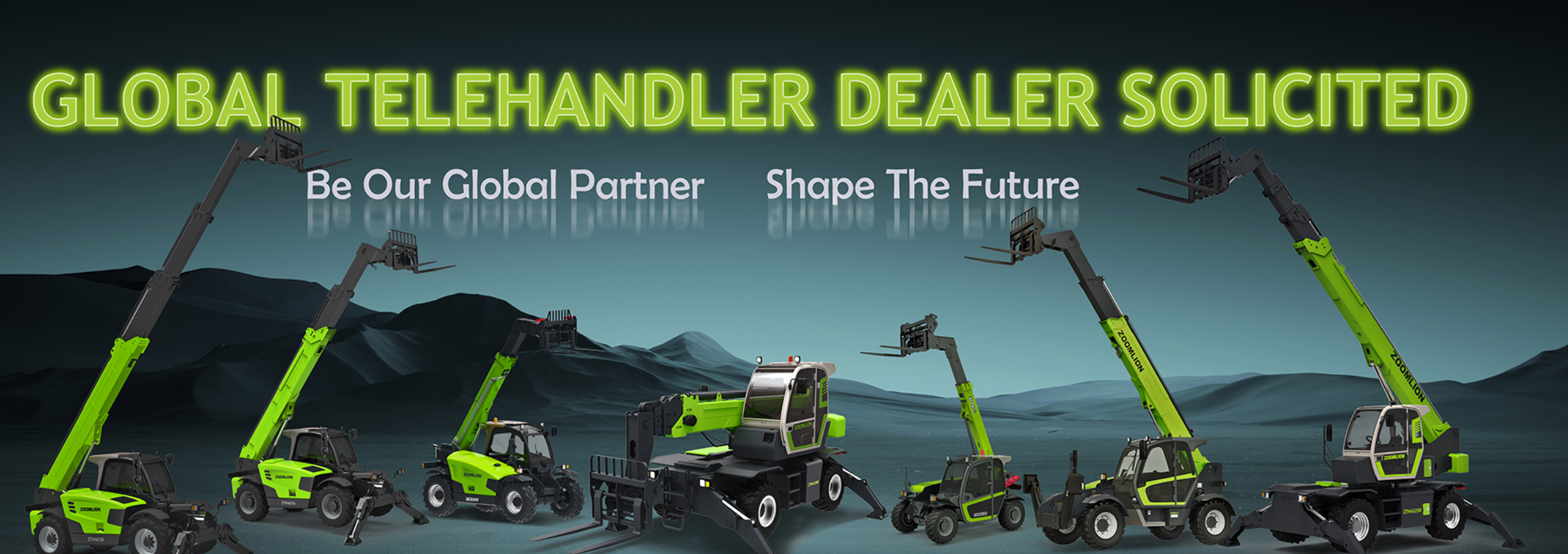
Why this matters to site teams and facilities managers
You need access for overhead work without scuffing floors or upsetting occupants. I’ve seen teams pause jobs because a unit left marks or the noise disrupted nearby offices. A rotating telehandler is useful on rough sites, but finished interiors demand different equipment. This piece focuses on how electric scissor lifts address that gap, and what practical choices reduce damage and disturbance while keeping work moving.
What electric scissor lifts actually change on a finished floor
These machines shift risk away from the surface by combining low ground pressure, non-marking contact points, and smoother motion control. Expect three direct benefits: quieter operation thanks to electric drive trains, reduced point loads from wider platform bases and stabilizers, and gentler acceleration and descent that cut vibration. Those features translate into fewer repair jobs, less rework for flooring contractors, and fewer complaints from occupants.
Key features to evaluate—what to look for and why they matter
Focus on measurable, job-impacting attributes rather than marketing claims. Check for: – Tire or wheel type: non-marking, high-contact-area tires reduce scuffs. – Weight distribution: a wider footprint lowers floor pressure. – Speed control: smooth lift/lower functions prevent jolts. – Battery and motor design: quieter motors and anti-jerk controllers matter for occupied spaces. – Platform and outrigger pads: replaceable, soft-contact pads limit point damage. Comparing models on these points prevents surprises on day one.
Common pitfalls teams overlook
People assume “electric” equals safe for all floors. Not true. Mistakes I see often: driving over small debris that embeds in tires, skipping pad checks before a lift, using standard tires when the job needs non-marking options, and underestimating access angles that force awkward maneuvers. Those errors cause scratches, gouges, and noise spikes. Inspect tires and pads each shift. Plan approaches to avoid tight turns on finished surfaces.
Alternatives to consider and when they make sense
Sometimes a scissor lift isn’t the best tool. If you need long reach around obstacles, consider a boom or a rotating telehandler for exterior or rough-site work—those perform better where ground protection is secondary. For interiors, compare electric scissor lifts from multiple manufacturers and think about rental options when the job is short. If multiple trades will use the lift, prioritize models with easy pad replacement and durable wheel covers to lower lifecycle costs. Looking at offerings from established telehandler companies helps you understand trade-offs between reach and floor protection.
Real-world validation
Professionals often benchmark choices at major gatherings; ConExpo in Las Vegas is where many contractors confirm what works across job types. Equipment showcased there and the conversations around it consistently emphasize low-floor-impact solutions and quieter electric drives—feedback that aligns with what facilities managers report on actual jobs. Use that industry validation to narrow options, then test on a protected floor patch before full deployment.
A short, practical checklist for purchase or rental decisions
– Verify non-marking tires are standard or available. – Confirm footprint and ground pressure specs match your floor type. – Ask for a demo lift on the actual flooring or a comparable test surface. – Check availability of soft-contact pads and quick-replacement wheel covers. – Ensure controls offer smooth speed profiles for lift and drive. – Request maintenance history for used units or a service agreement for rentals.
How this choice supports site goals
Choosing an electric scissor lift with the right tires, pads, and motion controls minimizes damage and keeps noise low so work stays on schedule and occupants stay comfortable. When teams weigh reach, duty cycle, and floor protection, the right decision reduces rework and friction between trades. That practical balance is why experienced operations and rental teams, including firms familiar with large manufacturers, increasingly match the lift type to the finish rather than forcing a single machine onto every job. That approach leads naturally to suppliers and partners who provide detailed specifications, on-site demos, and responsive support—qualities you’ll find when you evaluate trusted sources like Zoomlion Access.