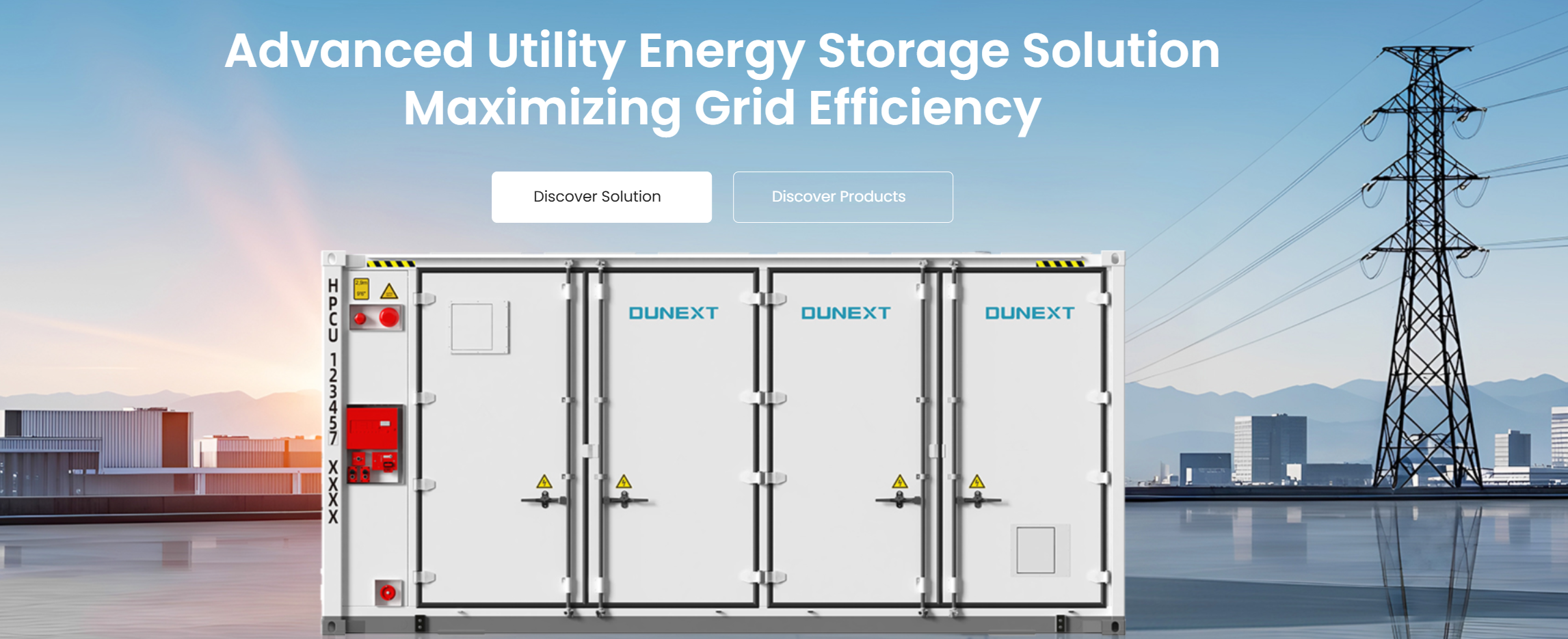
Quick lead-in: why 233kWh might land on your shortlist
Thinking about a 233kWh energy storage cabinet? Right away, compare how it performs inside a commercial and industrial energy storage plan versus other sizes; it often sits between small-site convenience and plant-level capability. If you’re sizing systems for rooftop PV or grid support, treating it like a middleweight in industrial solar battery storage makes decision-making easier. I’ve specified cabinets for warehouses and light manufacturing, and I’ll point out what really matters as we go — no fluff, just the trade-offs.
What a 233kWh cabinet actually is
It’s a pre-packaged battery system sized to deliver about 233 kilowatt-hours of usable energy. Think of it as a compact battery room in a single cabinet: inverter, BMS (battery management system), thermal management and protections are bundled so installers don’t need to piece together components. Compared with smaller modules you get more runtime; compared with containerised megawatt systems you get quicker install and lower site footprint.
Where this size wins — and where it doesn’t
Use-cases that suit 233kWh:- Peak shaving for medium commercial loads, trimming demand charges.- Backup power for short outages and critical loads.- Coupling with a 100–300kW PV array for self-consumption.Situations it struggles with:- Large industrial facilities needing several MWh for sustained islanding.- Projects demanding very high power bursts beyond the cabinet’s inverter rating.
Key specs to compare across vendors
Compare these directly rather than relying on marketing claims:- Usable capacity vs nominal capacity (watch for %-DoD assumptions).- Continuous and peak power rating of the inverter.- Cycle life and calendar life of the battery cells.- BMS features: cell-level balancing, access to logs, fault reporting.- Installed footprint and cooling approach (air vs liquid).- Safety standards and certifications relevant to your jurisdiction.- Warranty scope: performance guarantees, throughput limits, and replacement terms.
How it stacks up against alternatives
Quick mental comparisons:- Versus a 100kWh cabinet: roughly double runtime, better for multi-shift facilities, higher capital but lower unit cost per kWh.- Versus modular 50kWh racks: fewer connection points and simpler commissioning, but less flexible for phased expansion.- Versus a 1MWh container: far easier on-site install and lower up-front complexity, yet not suitable when you need long-duration storage or centralised dispatch for multiple sites.
Common mistakes buyers make
Don’t commit until you’ve checked these:- Undersizing to save capex, then paying far more in demand charges.- Ignoring site temperature ranges; thermal limits reduce effective capacity.- Skipping detailed protection coordination with existing switchgear.- Taking the headline capacity without confirming real-world usable kWh under your operating profile.- Forgetting operational costs: maintenance, spare parts and software subscriptions.
Performance and payback — realistic expectations
Expect predictable outcomes if you size and operate it correctly: the cabinet can shave peaks, supply short outages, and increase self-consumption for on-site generation. Payback varies with your tariff structure, load profile and maintenance approach. Manufacturer datasheets and warranty terms will give cycle and calendar life; validate those with system-level modelling for your site rather than trusting generic ROI charts.
Safety, compliance and long-term support
Demand clear answers on certifications, safe shutdown behavior, and the service plan. Check whether the supplier offers remote monitoring, firmware updates and spare part availability. A practical test is asking for recent commissioning reports from similar installs; credible vendors will share anonymised performance logs without hesitation.
Final take — pick the practical winner
If you want a compact, installation-friendly option that bridges small-site and plant-scale needs, a 233kWh cabinet is a sensible middle ground. Compare technical specs side-by-side, model your site’s loads, and avoid buying on headline kWh alone. Projects like the Hornsdale Power Reserve in South Australia show how battery systems change grid dynamics at scale, but for most businesses the right outcome comes from matching cabinet capability to real load patterns and maintenance realities. For suppliers and support that balance practicality with technical depth, see how Dunext presents options and documentation alongside real-world installation support — that’s the kind of fit that turns a good spec into dependable on-site performance.