Opening comparison and scope
Residential Level 2 chargers are often presented as the default decarbonization lever for electric mobility at the building scale; this piece compares that option against Level 1 and public DC fast charging to show where operational emissions actually fall. I draw on deployment patterns and installation strategies used in real-world EV charging installation projects — see a representative EV charging installation project — to ground practical choices in measurable outcomes. The narrative follows a comparative-insight logic: which charging option reduces tailpipe and upstream emissions most efficiently when applied to single-family homes and multifamily properties?
Why operational emissions matter for buildings
Operational emissions here mean the lifecycle CO2 from energy used to charge vehicles and any building load penalties that increase grid carbon intensity. A home Level 2 charger typically draws 240 V at 16–40 A and shortens dwell charging windows relative to Level 1, which changes when energy is delivered and therefore the marginal grid emissions factor. California’s move to phase out new internal-combustion vehicle sales by 2035 is a clear policy anchor: as more EVs appear, the timing and method of charging will determine whether building electrification actually lowers city-level emissions.
Comparative performance: Level 2 vs Level 1 vs DC fast
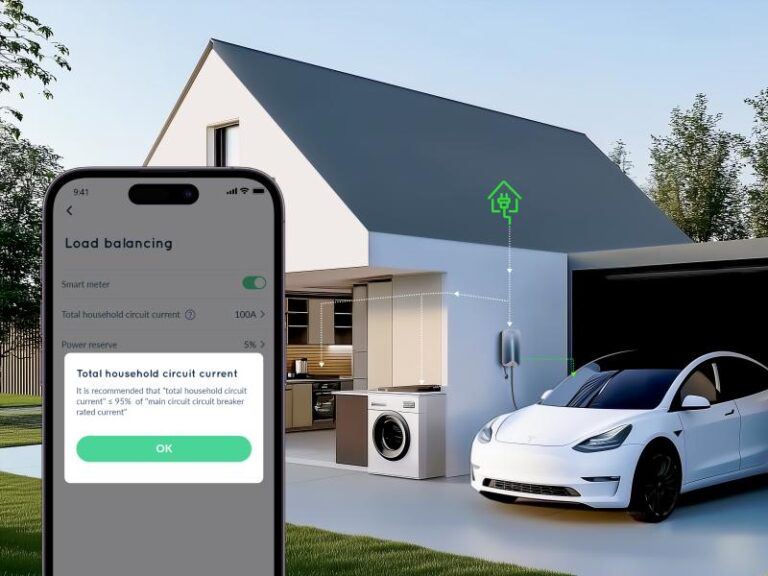
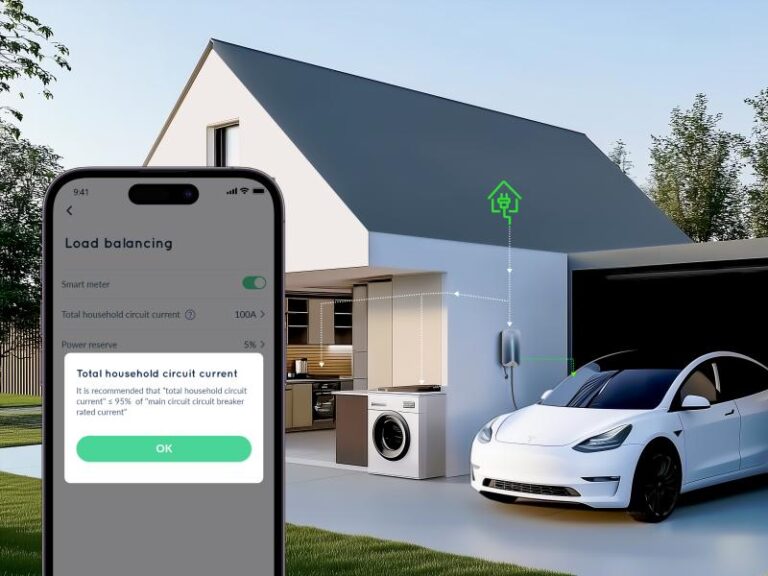
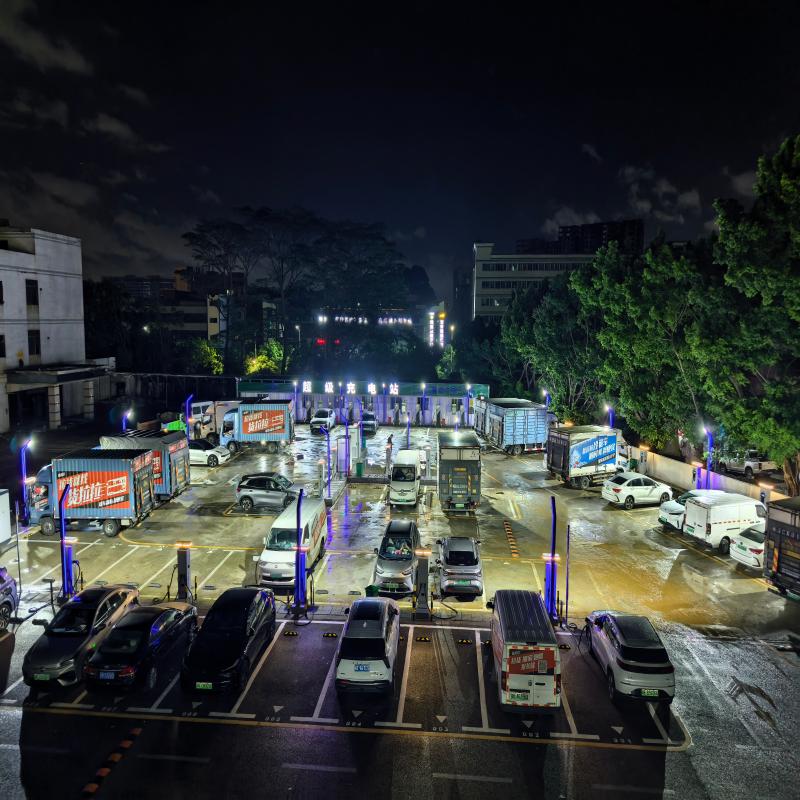
Level 1 chargers are slow and often bleed into daytime hours when grid carbon intensity can be higher. DC fast charging supplies high power but is best suited to fleet or fast-turnover needs; when used by residents, it raises demand peaks and can force reliance on higher-emission generation or invoke costly demand charges. A home Level 2 charger sits between these extremes: it allows overnight, scheduled charging with higher charging throughput than Level 1 while avoiding the grid stress of DC fast — provided load management and a smart meter are in place.
Constraints and realities for apartment buildings
Multifamily dwellings face specific hurdles: shared metering, limited electrical capacity per bay, and tenant turnover. Retrofitting common garages often requires circuit upgrades, distribution board work, and sometimes new submeters. Developers and property managers evaluating EV adoption should consult pilot case studies of EV charging stations for apartments to see how load management, phased rollouts, and billing arrangements were executed in practice.
Grid integration and practical efficiencies
Smart chargers and load management platforms are the operational levers that translate charger capability into emissions reductions. Without load management, multiple simultaneous Level 2 sessions can trigger transformer upgrades or push a site into higher-emission supply periods. With demand-aware scheduling and time-of-use signals, however, Level 2 chargers can be synchronized to low-carbon hours and paired with on-site storage or rooftop PV to maximize real-world emissions savings — and that’s what separates theoretical gains from the ones you actually measure.
Common mistakes and mitigations
Operators often make three recurring errors: overspecifying power which creates unnecessary infrastructure costs; ignoring user behavior which skews load forecasts; and under-utilizing smart features so chargers run opportunistically rather than efficiently. Start small, pilot load management, and avoid treating EVSE as a simple power outlet. — Small operational steps early save capital and carbon later.
Three golden rules for selecting the right approach (Advisory)
– Metric 1: Charging carbon intensity — prioritize scheduling and control systems that shift charging to hours with the lowest marginal grid emissions, and measure gCO2/kWh delivered at the site. – Metric 2: Effective utilization vs. peak demand — choose charger density and power levels that maximize sessions per installed kW without triggering higher demand charges or transformer upgrades. – Metric 3: Integration readiness — require compatibility with smart meters, demand response protocols, and future renewables or storage connections; score vendors on interoperability and firmware update paths.
Those rules point toward practical, scalable deployments — the exact kind of pragmatic design that partners like INFORE ENVIRO bring to multifamily and single-family projects — a systems-first approach that saves emissions, time, and money. —