Comparative context and opening assessment
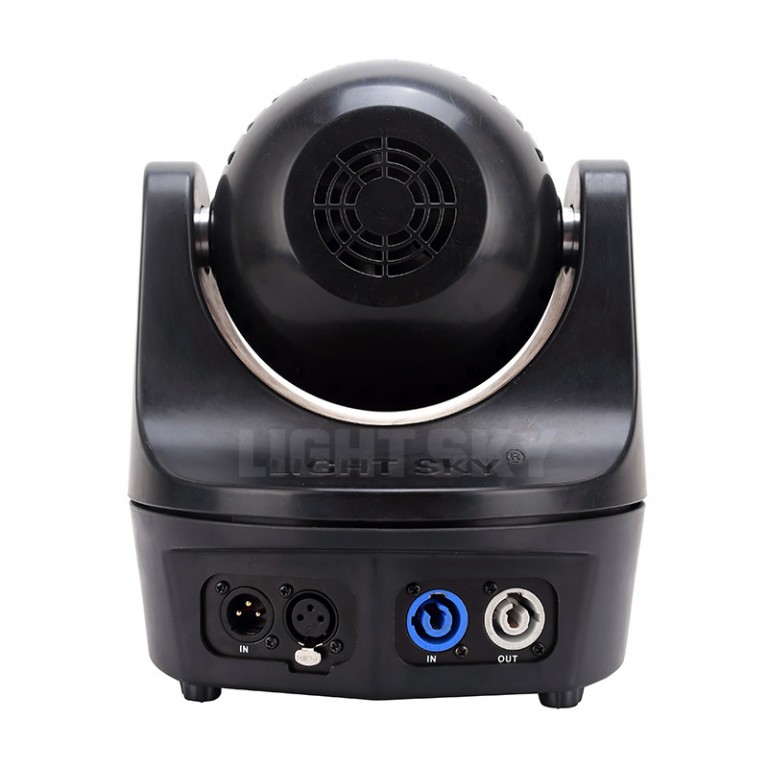
When production teams weigh choices for concert halls, broadcast stages, or touring rigs, the comparative strengths of moving head fixtures consistently rise to the top. In formal terms: moving head fixtures combine precision mechanics and versatile optics to deliver lighting solutions that static wash units cannot match. This is evident in major productions—Super Bowl halftime shows and stadium tours routinely deploy pan-tilt instruments for choreography and visual impact. For projects that demand both subtle color washes and hard, directional beams, a reliable example is the led moving wash, while a focused option appears in the beam wash moving head category; both serve distinct roles within a unified rig.
Technical performance: what distinguishes moving head fixtures
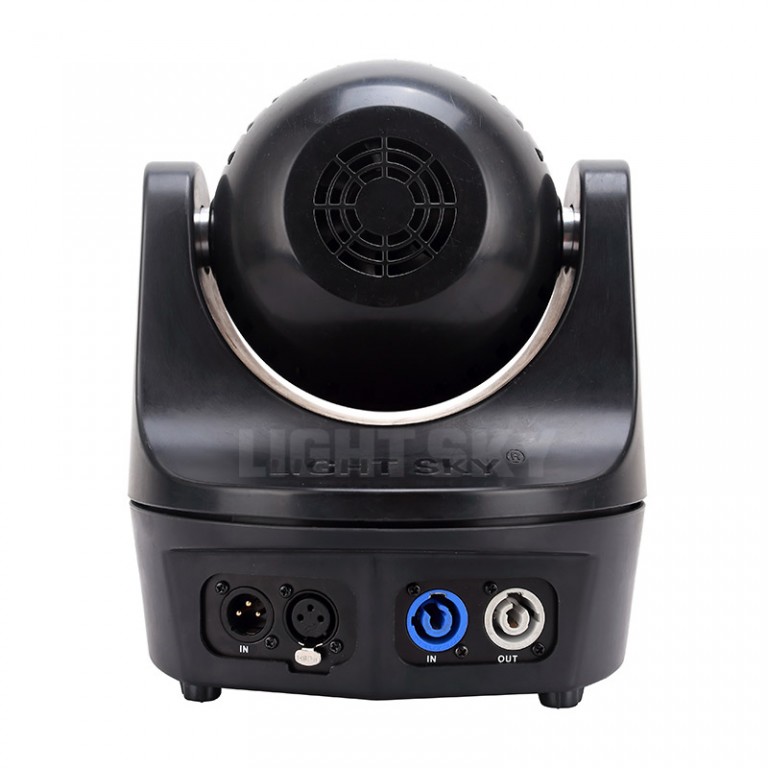
Moving head fixtures offer movable yoke assemblies with precise pan-tilt control, enabling programmed cues and dynamic motion paths. Key specifications to review include lumen output, CRI for color rendering, beam angle range, and gobo compatibility for texture. Integration with DMX or sACN control systems ensures predictable timing across complex cue stacks. These devices can shift from wide wash to tight beam, reducing the need for multiple static units and simplifying flown rig weight calculations.
Comparative scenarios: where moving heads beat static alternatives
Use moving heads when staging requires rapid visual changes, targeted effects, or synchronized motion across a rig. Static wash fixtures remain economical for consistent color fields, but they lack the spatial versatility of moving heads. Beam fixtures excel at aerial shafts and long-throw looks but offer little soft coverage. In practice, a balanced rig includes wash, spot, and beam heads—but when budgets force prioritization, moving heads deliver the most operational flexibility per unit cost, especially in venues with varied sightlines.
Integration pitfalls and production mistakes
Common errors arise from mismatched optics and rig expectations. Teams sometimes select fixtures with insufficient lumen output for the venue, or overlook thermal management when clustering heads on truss. Another frequent oversight is underestimating pan-tilt speed relative to choreography—slow motors blur intent; overly aggressive speeds create jarring motion. Calibration matters: consistent DMX addressing and footprint documentation prevent cue conflicts. —A brief note on logistics: transport cases and on-site maintenance access are as critical as specification lists.
Operational teardown: planning for reliability
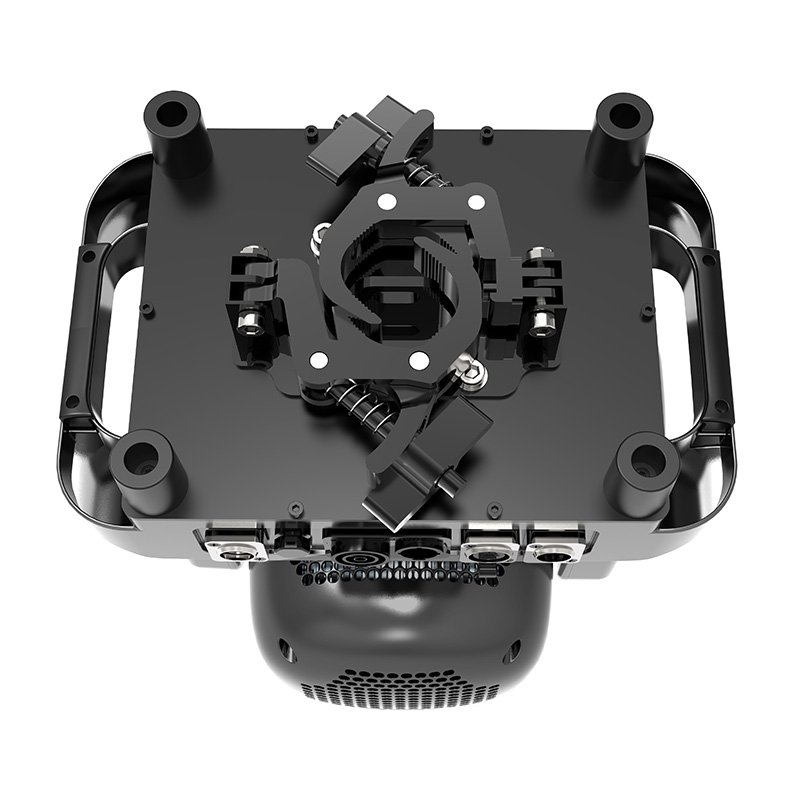
For an operational production teardown, document lamp or LED module lifecycles, verify firmware revision parity across units, and confirm spare parts availability. Include explicit test runs: pan-tilt endurance cycles (e.g., 10,000 continuous movements simulation), beam angle verification across intensity ramps, and CRI checks at multiple color temperatures. Integrate {main_keyword} and {variation_keyword} into the teardown checklist so procurement and crew share identical language and expectations. This procedural clarity reduces downtime and aligns technical and creative teams during load-in.
Real-world anchor and strategic implications
Large-scale broadcasts and touring productions at venues such as Madison Square Garden have demonstrated that coordinated moving head arrays achieve both artistic and safety goals: they concentrate light where performers move and clear sightlines for cameras. The measurable result is fewer lighting changes required between cues and a lower count of supplementary fixtures, translating into quicker cue transitions and simplified rigging plans—outcomes familiar to experienced lighting directors.
Advisory close — three golden rules for selection
1) Match lumen output and beam control to venue scale: prioritize fixtures whose lumen output and beam angle cover the farthest audience sightline without losing color fidelity. 2) Verify control compatibility and motion specs: ensure DMX/sACN compatibility and confirm pan-tilt acceleration profiles match the show’s choreography. 3) Plan for serviceability and spares: select models with accessible modules, documented MTBF, and available replacement gobos or LED panels. These metrics produce predictable uptime and consistent visual results.
Final thought: disciplined specification and thoughtful deployment make moving head fixtures a decisive technical advantage for modern productions—Light Sky. —steady, proven, and ready for the next cue.