

Introduction: A Highland Bench and a Bench-top Problem
I once stood on a peat-strewn ridge and thought about a tiny, noisy bench in my lab — how similar they felt in their stubbornness. In our labs today, cell research equipment hums away on benches and racks, handling delicate samples while we chase better data; recent surveys show labs that invest in adaptable tools report up to 30% faster throughput (small sample sizes, but telling). So why do a handful of instruments keep setting the pace, while others lag behind like an old sheepdog — slow to turn, stubborn in place?
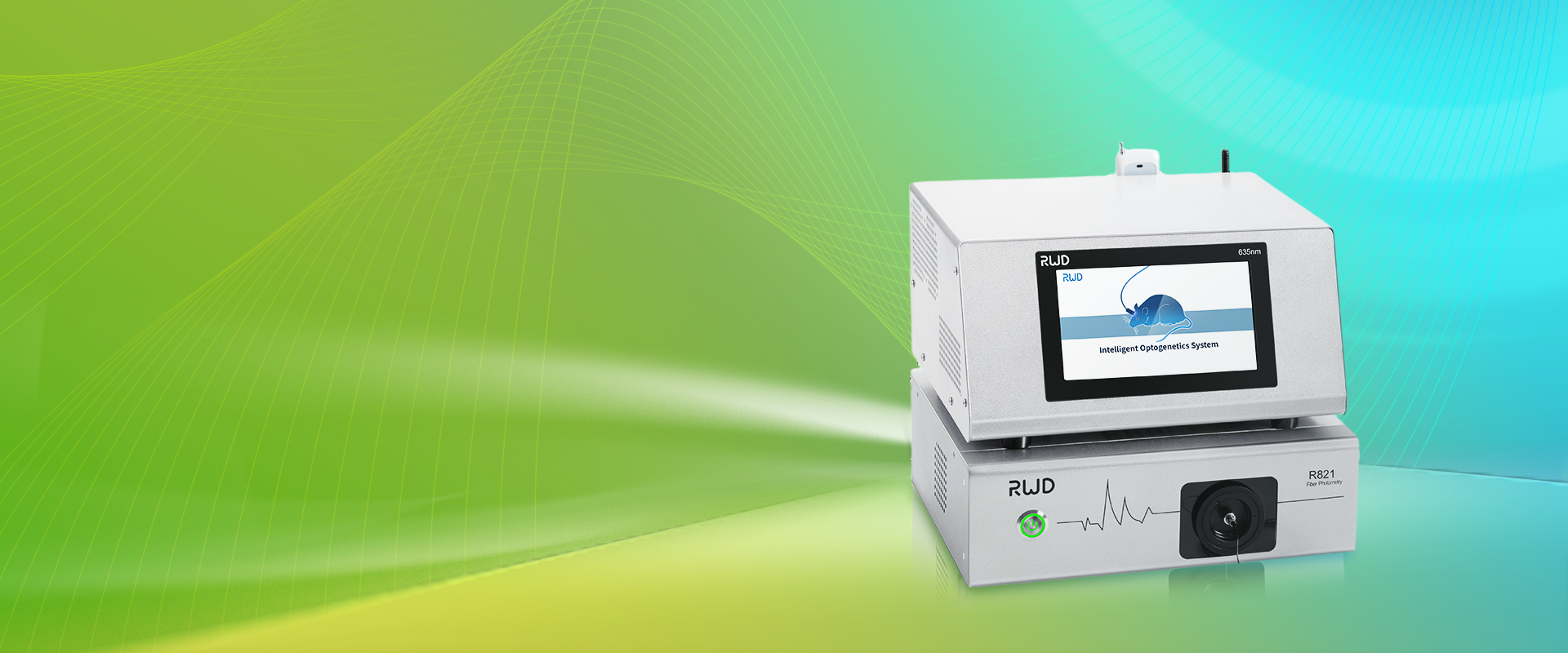
I speak from the trench: I’ve spent years choosing devices, tuning protocols, and losing time to instruments that simply won’t bend to the task. The question that keeps me awake is simple — how do we pick gear that grows with our work, not against it? Let’s dig into that next, with hands-on examples and the sorts of trade-offs I’ve wrestled with myself.
Part 2 — The Hidden Flaws in Traditional Cell Separation Workflows
cell separation often promises purity and speed, yet the old-school pipeline hides subtle flaws that trip most users up. I’ll be blunt: classic centrifuge runs, density gradient techniques, and manual fraction collection assume perfect samples and perfect hands. They don’t account for variation in cell size, debris load, or instrument drift. As a result, yield drops, and repeatability suffers. Flow cytometry helps, but only after a fiddly prep step; microfluidics offers finesse, yet it can be brittle in routine use. Look, it’s simpler than you think — these are engineering limits more than biological mysteries.
Why do these flaws matter?
Because they cost time and trust. When a centrifuge rotor shows imbalance or a pump slips, you lose a batch. When a sorter misgates at the edge of a population, you lose confidence in downstream assays. Add in modern needs — remote monitoring, edge computing nodes for data pre-processing, or robust power converters to handle lab power spikes — and the old methods look under-equipped. I want tools that tolerate mess and inform me when things go sideways; that’s the gap most manufacturers still ignore.
Part 3 — Looking Ahead: Practical Paths and Promising Tools
What’s next for cell separation and the instruments that surround it? I see two honest directions. One is principled — instruments built with feedback loops (sensors that report clogging, torque, or temperature in real time), smarter software that aligns gating with live sample metrics, and modular hardware so you swap a pump instead of the whole unit. The other is practical — case examples where teams replaced brittle rigs with adaptive platforms and cut rework in half. These are not miracles. They are incremental engineering, and they matter.
In practice, labs adopting modular microfluidic skids or hybrid centrifuge-sorter units have fewer failed runs and better data lineage. I’ve watched a small team convert a high-variance protocol into one that hums predictably — and yes, they paid a premium up front, but their downstream savings paid back within months. — funny how that works, right? We should pick tools that give us signals early, reduce manual intervention, and play well with lab IT (so you can integrate with data systems without a circus).
What to measure before you buy?
When I evaluate new gear, I check three things: robustness (how it handles dirty samples and power hiccups), data fidelity (does the instrument log enough metadata for troubleshooting?), and upgradeability (can I add modules or firmware updates without replacing the whole system?). Those metrics cut through glossy specs and tell you whether a tool will survive real life. If you want a quick checklist: uptime under varied loads, clarity of metadata, and ease of service.
I’ve lived the frustrations and enjoyed the small victories. Choosing the right platform means choosing the right trade-offs for your lab’s rhythm — speed versus control, automation versus hands-on tuning. Evaluate with those three metrics in mind, and you’ll find systems that feel like an ally rather than an obstacle. For practical options and more tools that fit this mindset, check BPLabLine.
