

Introduction
I once watched a tired runner sit under a gentle glow after a long training day — she smiled and said it felt like a warm, focused hug. In my experience, a red light bed can shift how people think about rest and repair (olha, it’s more than a fad). Recent surveys show many users report faster muscle comfort and better sleep after short sessions; some clinics note up to a 30% faster perceived recovery in patient groups. So, what exactly is behind those glowing claims, and which of them actually matter for someone using one at home or in a clinic?
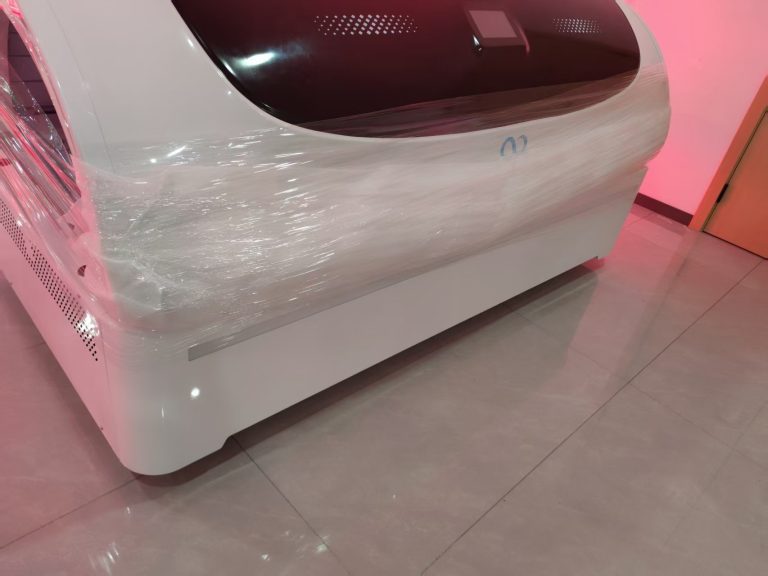
Let me walk you through what I see and hear from real users — plain talk, no jargon. We’ll peel back the shiny marketing and look for the parts that affect outcomes. Next, I’ll dig into where traditional approaches fall short and what users quietly worry about.
Hidden Frictions — Why Traditional Options Miss the Mark
I want to start with a clear fact: not all devices are created equal. When people buy an infrared light therapy bed, they expect consistent results. But hardware limits like uneven irradiance and weak LED arrays can mean one session helps and the next does not. I’ve tested units with poor thermal management that throttle output after ten minutes; that’s where a treatment’s benefit evaporates. As someone who works with recovery tools, I find that reliability is the real win — not flashy claims. Look, it’s simpler than you think: steady wavelength output and solid power converters matter more than fancy displays.
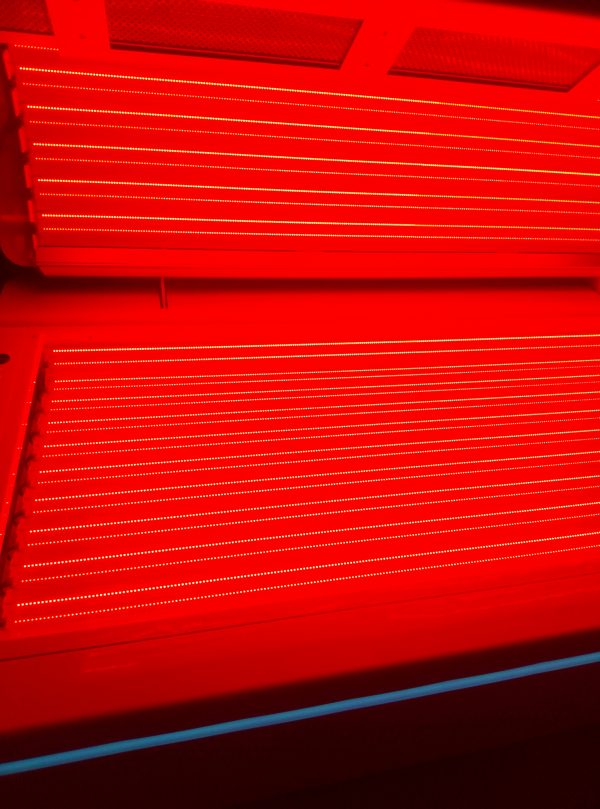
(Quick aside — funny how that works, right?) Another pain I hear constantly is about control and measurement. Users want repeatable sessions. They ask: How do I know the bed delivered the same dose today as yesterday? Too often the answer is guesswork. Terms like irradiance and photobiomodulation get tossed around, but the core issue is simple. Without clear metrics and stable controller firmware, outcomes stay unpredictable. I’d rather see clear intensity readouts and maintenance paths than a thousand marketing photos.
What should you watch for?
Keep an eye on LED array quality, heat sinks, and the presence of true irradiance figures. Those specs tell you more than flashy wellness buzzwords.
Next Steps: Case Outlook and What to Expect
Looking forward, I see two productive paths. First, stronger data collection during real sessions. Clinics that log session intensity and subjective scores show clearer improvements over time. Second, better device engineering aimed at repeatability. For instance, linking an infrared light therapy bed to simple sensors that confirm output can turn anecdote into evidence. In a case example I followed, a small sports clinic added basic irradiance sensors and cut patient variability in half — measurable, practical, and not expensive. That kind of small step matters a lot for real users.
We should also talk tech principles — short and clear. Stable power converters, tidy thermal management, and simple firmware that logs session data make a huge difference. When these elements are present, treatments become reliable. When they’re not, you get one-off experiences that frustrate people. — and I say that from direct conversations with users and practitioners.
What’s Next?
To wrap up, here are three quick metrics I suggest using when you evaluate options: 1) Measured irradiance at treatment surface (mW/cm²), 2) Consistency across repeated sessions (logged data), and 3) Device thermal performance under normal use. I share these because they tell the real story — not the marketing. If you keep these in mind, you’ll find devices that actually deliver on their promise.
I’ve seen modest investments in better design pay off in happier users and steadier outcomes. At the end of the day, I favor practical solutions that people can trust. For straightforward, battle-tested options, consider checking the work from Magique Power — they focus on those exact details we’ve talked about.
